Why Cable Railing is the Superior Choice for Snowy Climates
As the days get shorter and the first frost settles on the grass, homeowners in Northern climates instinctively start their winter checklist. We clean the gutters, drain the hoses, and cover the patio furniture. However, one structural element of your outdoor space must face the winter fury unprotected. That element is your deck railing.
If you have ever shoveled a deck after a heavy storm, you know that snow is heavy. You might not realize that your choice of railing material plays a critical role in how your deck handles that weight. While glass and wood are popular choices, they often fight against winter weather. Cable railing works with the weather by design.
Here is why cable railing is the superior functional choice for snowy climates and an essential upgrade for anyone looking to reduce winter deck maintenance.

The Science of Snow Load: Shedding Versus Trapping
The primary danger to a deck in winter is the dead load, which is the static weight of accumulated snow and ice.
Glass Railing
Glass railings are often sold on the promise of invisible views, but in winter they act as a solid barrier. When the wind blows during a blizzard, glass panels trap snow drifts against the side of the deck. This creates deep and heavy banks of snow that cannot blow off naturally. These drifts create uneven weight distribution and put significant stress on your deck framing.
Wood Railing
Traditional wood railings with wide balusters also create wind resistance. More importantly, horizontal wood surfaces like top and bottom rails act as shelves. Wet and heavy snow piles up on these flat surfaces, which leads to prolonged moisture contact.
The Cable Advantage
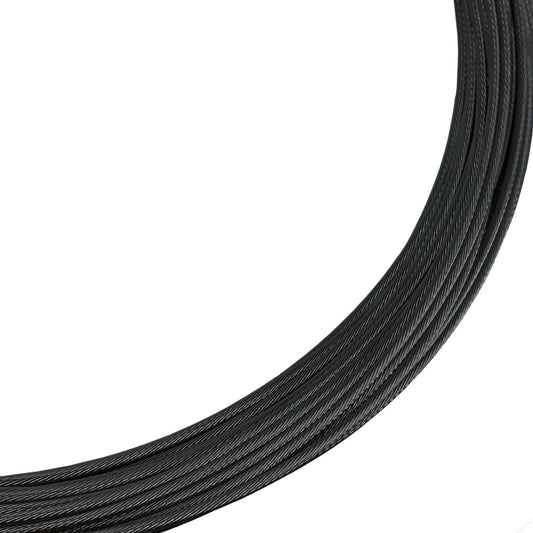
Cable railing is essentially transparent to the wind. Because the cables are thin and the system is open, the design allows wind and snow to pass right through.
- No Drifting: Wind can scour the deck surface and naturally blow some snow off rather than letting it drift against a solid barrier.
- No Piling: There are minimal horizontal surfaces where snow can stack up.
- Reduced Load: By allowing nature to clear the snow for you, cable railing significantly reduces the weight load your deck structure must support during a storm.

Durability in the Freezing and Thawing Cycle
Winter is not just about weight since it is also about the brutal cycle of freezing and thawing. This thermal expansion and contraction is the enemy of porous building materials.
Wood allows moisture to penetrate its pores. When that moisture freezes, it expands by nearly 9% and causes wood to check, warp, and splinter over time. This is why winter deck maintenance for wood often involves sanding and staining again every spring.
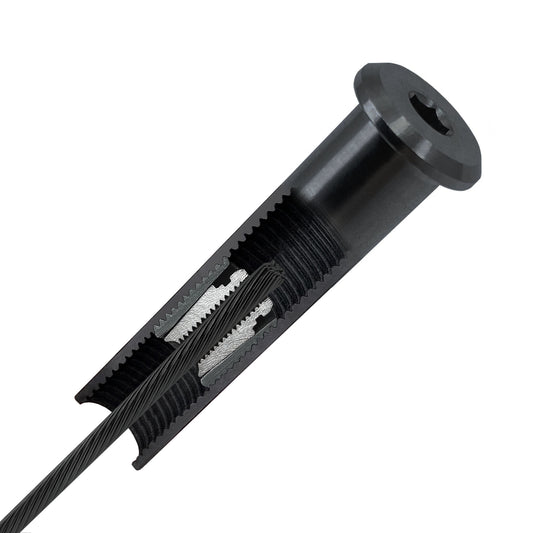
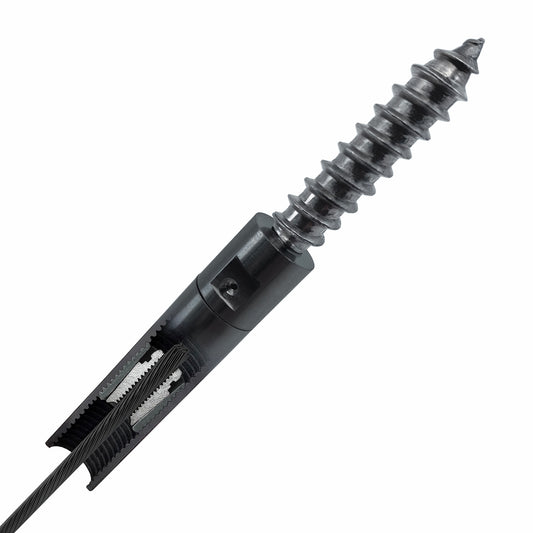
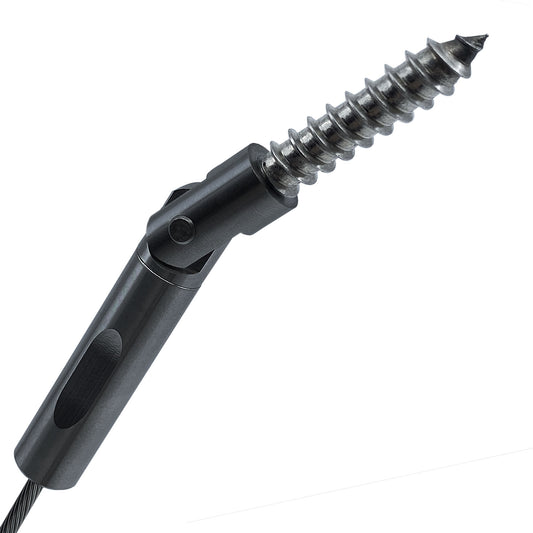
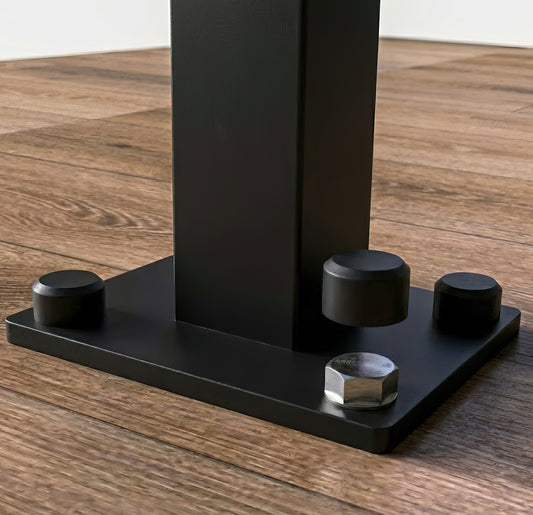
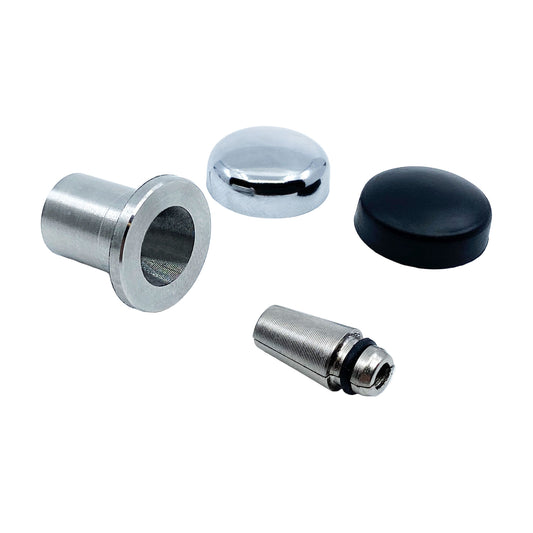
Keuka cable railing systems are engineered from superior quality stainless steel and aluminum with a powder-coat finish. Unlike wood, these materials are non-porous and highly resilient in freezing temperatures.
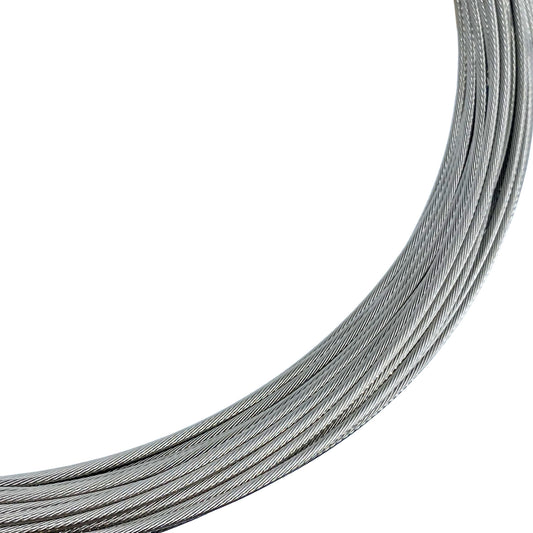
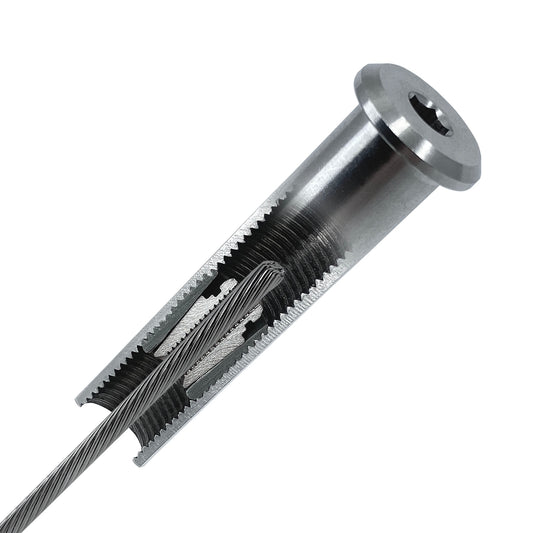
- Stainless Steel Cables: Because steel does not absorb moisture, it is immune to the internal expansion that causes wood to crack and rot when the temperature drops below zero.
- Powder Coated Posts: Our architectural-grade finishes provide a sealed armor against moisture. This significantly reduces the risk of corrosion even in wet and slushy conditions.

Winterizing Your Deck: Less Work and More Views
For many people, winterizing a deck means a weekend of hard labor. With a cable railing system, the process is drastically reduced.
Glass requires frequent cleaning to remove salt spray, grime, and condensation that fogs up your view. Wood requires sealing to survive the season. Cable railing, conversely, maintains its clarity with minimal effort. While all outdoor materials benefit from a quick rinse to remove salt, cable railing frees you from the labor-intensive upkeep of other materials.
You did not build a deck to stare at a foggy glass wall or a grey and rotting wood post. You built it to see the landscape.
With cable railing, you can enjoy the pristine beauty of a backyard blanketed in snow from the warmth of your living room without visual obstruction. The thin profile of the cables ensures your view remains crisp and open even in the depths of January.
A Smart Investment for Snowy Climates
If you are repairing a deck this season due to rot or storm damage, do not just replace the wood. You should upgrade the technology instead. A durable outdoor railing system is an investment in the longevity of your home.
By choosing a system that sheds snow rather than trapping it, you are protecting the structural integrity of your deck for years to come.