Cable Railing Building Codes: The 4-Inch Sphere Rule Explained
For most homeowners, the scariest part of a DIY railing project isn't the drilling or the heavy lifting. It’s the building inspector.
There is a lot of confusion surrounding cable railing codes. You might hear contractors talk about the "ladder effect" or see conflicting advice on forums about how far apart to space your posts.
In this guide, we will cut through the noise and explain exactly what the International Residential Code (IRC) requires for 2026, so you can build with confidence and pass your inspection on the first try.

What is the "4-Inch Sphere Rule"?
This is the most critical rule for cable railing.
The Code (IRC R312.1.3): Required guards shall not have openings... that allow passage of a sphere 4 inches in diameter.
What This Means for You
You cannot have any gap in your railing that is big enough for a 4-inch ball (roughly the size of a baby’s head) to fit through. This applies to the space between your cables, and the space between the bottom cable and your deck floor.
The "Deflection" Trap
Here is where DIYers get in trouble. Steel cable is flexible. Even if you drill your holes exactly 4 inches apart, an inspector can push the cables apart with their hand. If they can force that 4-inch ball through the gap while pushing, you fail.
✅ The Fix:
We recommend spacing your cables 3 inches on center.
By drilling your holes 3 inches apart, you leave plenty of "margin for error." Even if the cables stretch slightly or the inspector pushes hard, the gap will never open up enough to let a 4-inch sphere pass.
3 Critical Measurements You Must Know
1. Railing Height
- Residential (IRC): The top of your railing must be at least 36 inches from the deck surface.
- Commercial (IBC): The railing must be at least 42 inches high.
- California Exception: If you live in California, residential deck railings must be 42 inches high.
2. Post Spacing
While the code doesn't strictly dictate post spacing, physics does. The further apart your posts are, the more your cables will sag.
- Recommendation: Place posts no more than 42 to 48 inches (3.5 to 4 feet) apart.
- If you want wider spacing (like 6 feet), you must use a "cable stabilizer" (a thin metal bar) in the middle to keep the cables from spreading apart.
3. The Stair "Triangle" Exception
Stairs have slightly different rules. The code acknowledges that the triangular gap formed by the stair riser, the tread, and the bottom rail is hard to close perfectly.
- The Rule: A 6-inch sphere is allowed to pass through this specific triangular gap.
- The Cables: The cables going up the stairs can usually have gaps up to 4 ⅜ inches, but we recommend sticking to 3 inches to be safe.
The "Ladder Effect" Myth: Can I Use Horizontal Railing?
This is the most common question we get: "My contractor said I can't use cable railing because kids will climb it like a ladder."
The Truth: The "ladder effect" (restrictions on climbable guards) was removed from the International Residential Code (IRC) way back in 2001.
- Current National Code: There is no prohibition on horizontal cable railing in the standard IRC or IBC.
- The Catch: Some local municipalities (towns or counties) still have outdated amendments that ban horizontal railings. Always call your local building department and ask specifically: "Do you have a local amendment prohibiting horizontal railings?"

Why Keuka Cable is "Code-Proof"
Meeting code isn't just about the day you install the railing. It's about staying compliant years later.
The Problem with Crimped (Swaged) Systems:
Over time, all steel cable relaxes and stretches slightly. If you use a permanent "crimped" system and your cables sag enough to fail the 4-inch sphere test, you have a major problem. You often have to cut the cables and buy new ones to re-tighten them.
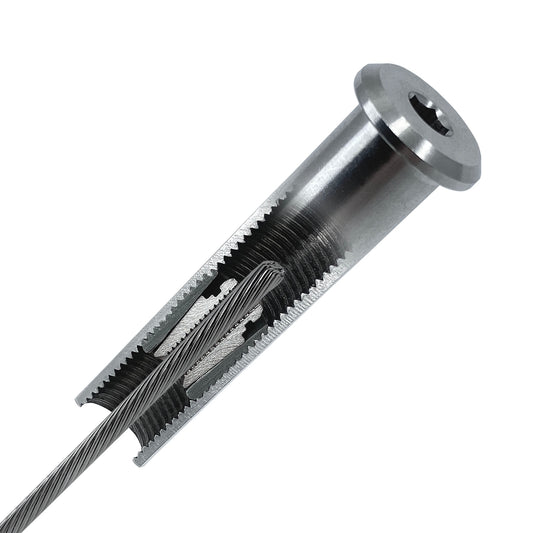
The Keuka "Swageless" Advantage:
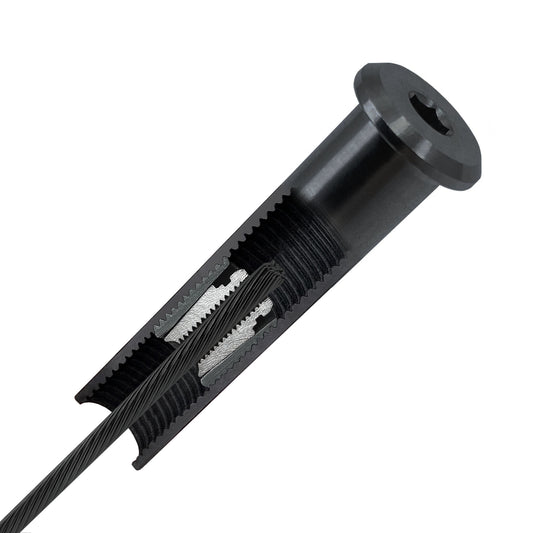
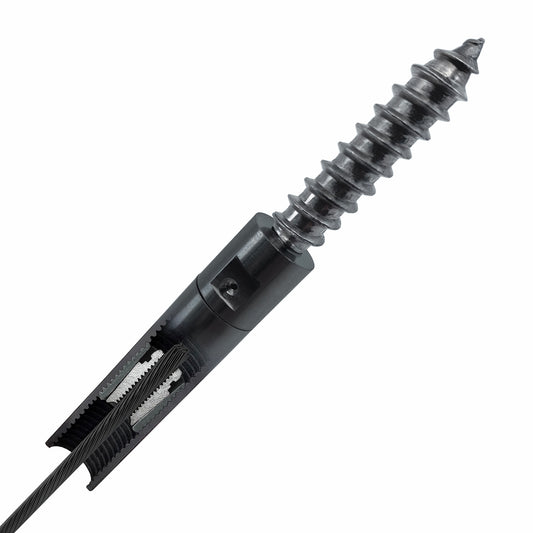
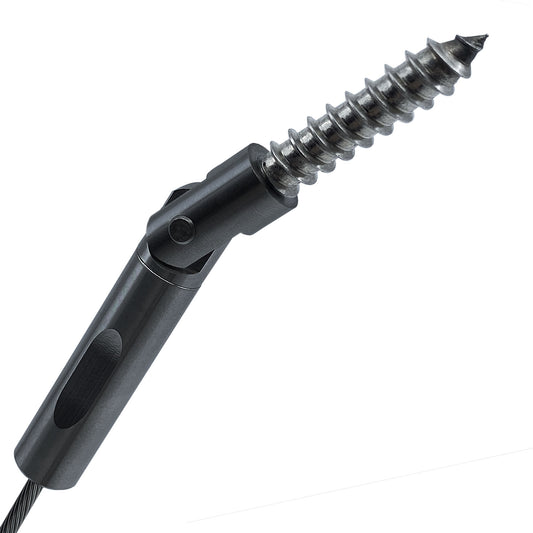
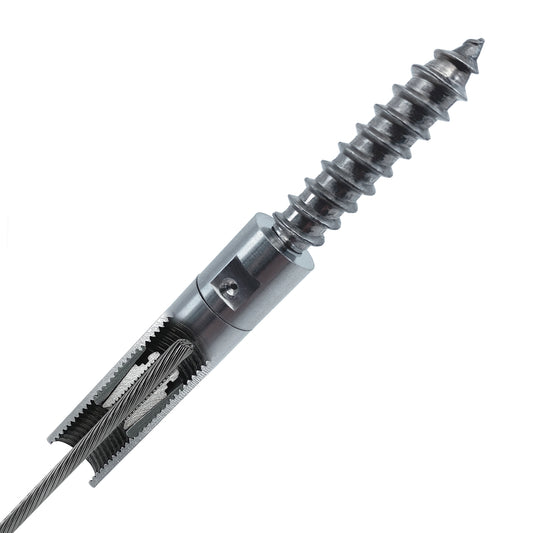
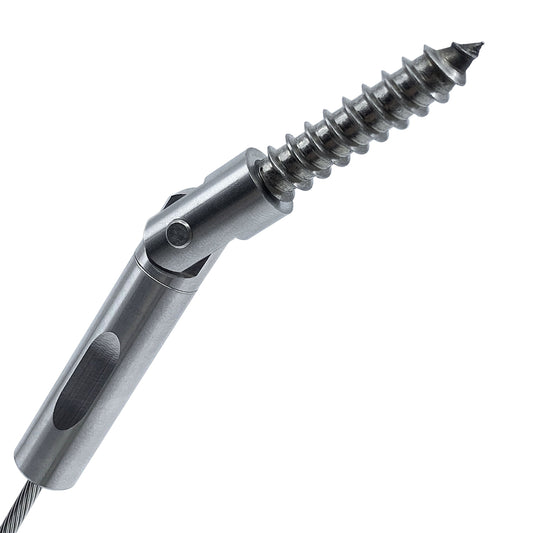
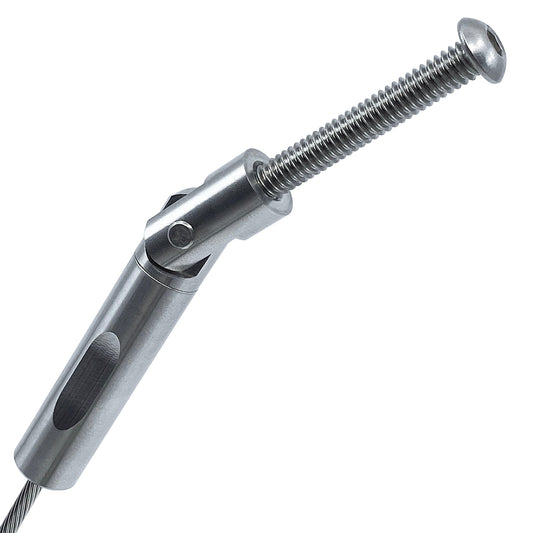
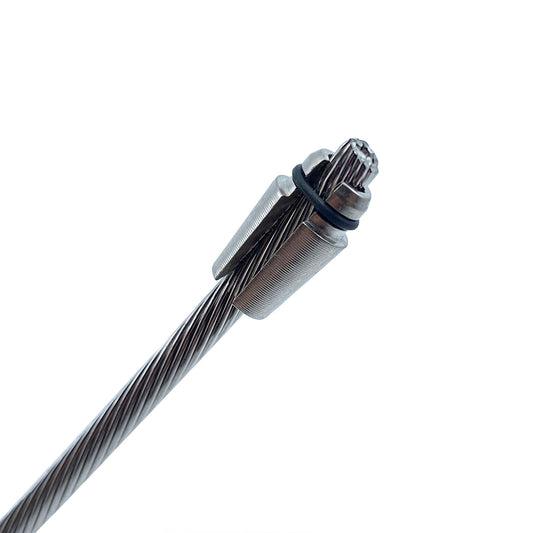
Our fittings are mechanical and re-adjustable.
- Year 1: You pass inspection easily.
- Year 5: If a cable feels loose, you simply grab two wrenches and tighten the fitting by a few turns. You can restore perfect tension in seconds without cutting cable or buying new parts.
Summary Checklist for Passing Inspection
- Post Spacing: Posts are max 4 feet apart (or use stabilizers).
- Hole Spacing: Holes are drilled 3 inches apart.
- Tension: Cables are tightened from the center outward.
- Height: Top rail is at least 36" high (42" in CA or commercial).
- The Ball Test: You have tested the gaps with a 4-inch rigid object.