Cable Railing Cost Guide: How to Budget for Your Project
"How much does it cost?"
It is the first question every homeowner asks, and for good reason. If you search online, you will see wild estimates ranging from $75 to $600 per linear foot. That is a massive range.
At Keuka Cable, we believe in transparency. The truth is, cable railing is an investment, typically costing more upfront than a pressure-treated wood railing. However, the final price tag depends heavily on how you design your frame.
If you are in the planning phase, you have more control over the budget than you think. Here is a breakdown of where the money actually goes and how you can design a stunning system that fits your wallet.

The "Per Linear Foot" Myth
Homeowners often look for a simple "price per foot" number, but with cable railing, that metric can be misleading.
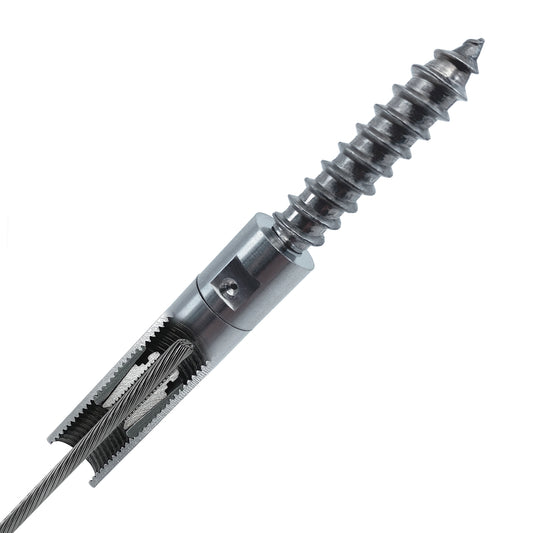
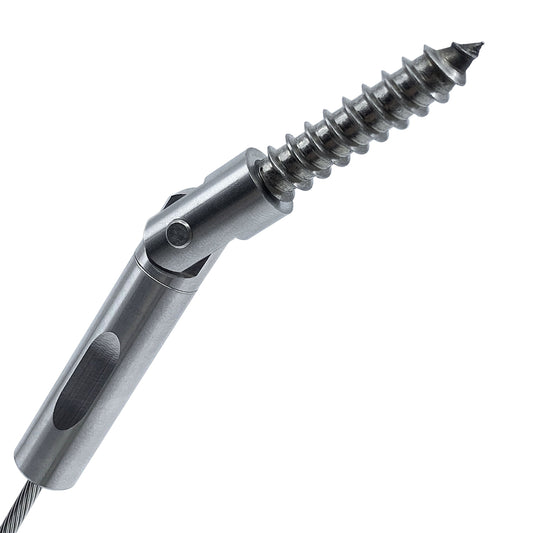
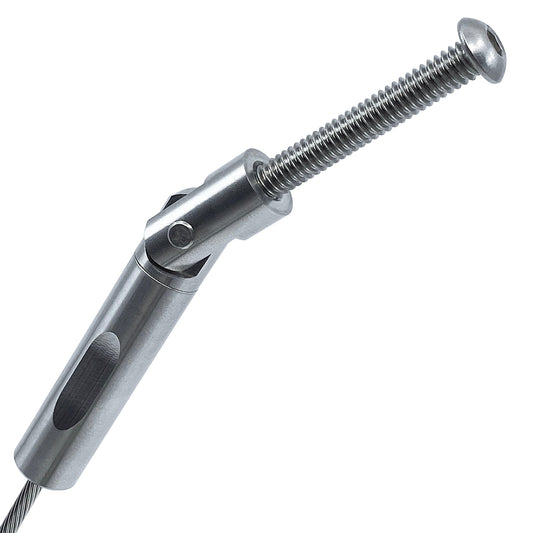
Why? Because cable is inexpensive, but fittings are not.
Imagine two different 20-foot deck sections:
- Section A: One straight 20-foot run.
- Section B: A zig-zag shape with four 5-foot sections and three corners.
Section A is affordable. It uses two end posts, minimal tensioners, and long strands of cable.
Section B is expensive. It requires multiple corner posts and most importantly multiple sets of tensioning hardware for every start and stop.

What Drives the Cost Up?
1. The Number of Corners (End Posts)
This is the single biggest factor. In a cable railing system, the tension is held at the ends. This means your "End Posts" (or Corner Posts) must be structural and heavy-duty.
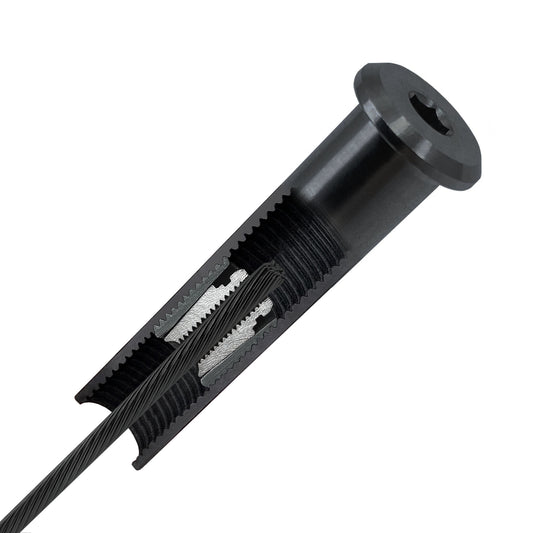
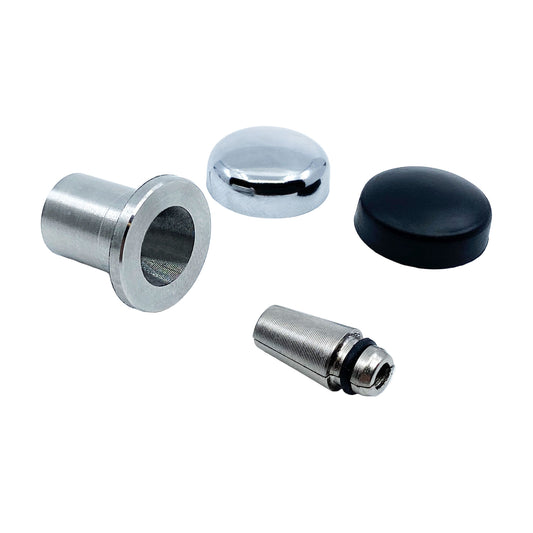
- The Cost: Every time you turn a corner, you essentially stop and start a new run. This doubles your hardware count because you need a new tensioner and a new terminal for every single line of cable.
- The Fix: If you can design long, straight runs, do it. It looks cleaner and saves you significantly on hardware.
2. Metal vs. Wood Posts
The frame you choose dictates nearly 50% of the material cost.
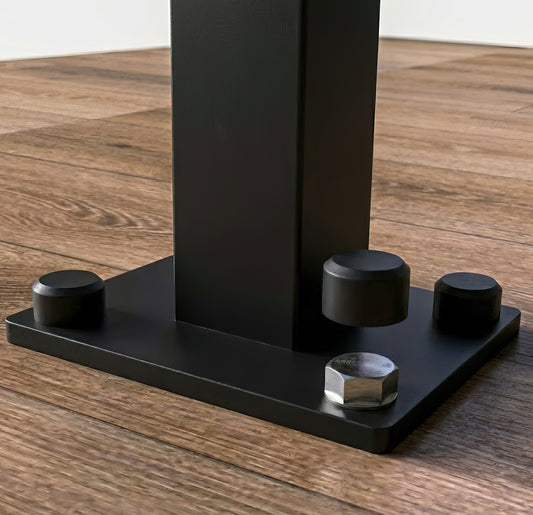
- Metal Posts: Sleek, modern, and maintenance-free. However, pre-drilled stainless steel or aluminum posts are a premium product.
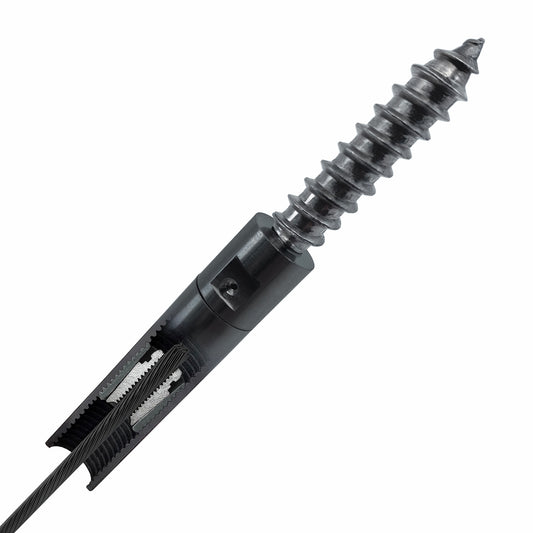
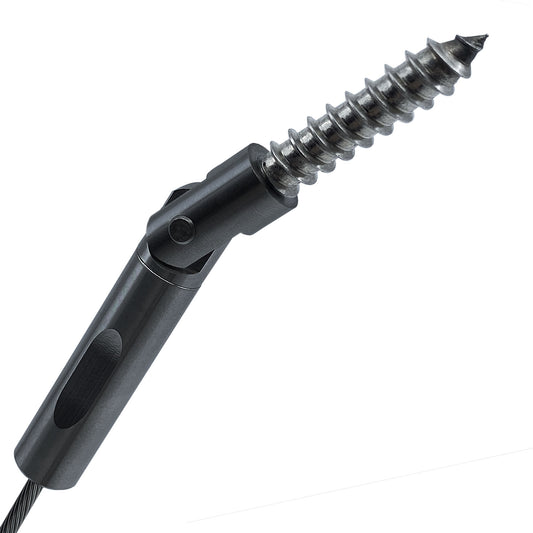
- Wood Posts: Using local cedar or pressure-treated lumber is the most affordable cable railing option. By buying wood locally and installing our cable hardware into it, you can cut your total project cost by 30-40%.
3. Material Grade (304 vs. 316)
Not all stainless steel is created equal.
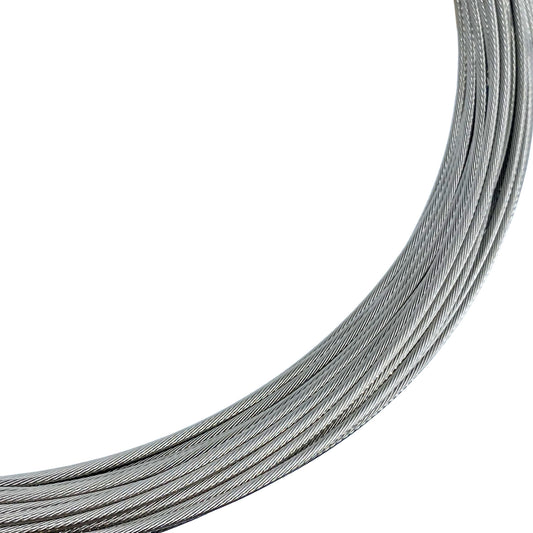
- Type 304: Standard grade. Good for interiors or dry climates. Cheaper.
- Type 316: Marine grade. Essential for coastal homes or areas within 5 miles of saltwater. It costs more, but it prevents the heartbreak of rust (tea-staining) a year down the road.

Cost Comparison: Cable vs. Wood Railing
It is helpful to compare cable against the traditional standard.
-
Pressure-Treated Wood Railing: The cheapest upfront option ($
40/ft). However, it requires annual staining, sealing, and eventually replacing warped balusters. -
Cable Railing: Higher initial cost ($
$175+/ft DIY), but near-zero maintenance.
The "Lifetime Value": When you factor in the cost of stain, labor, and repairs over 10 years, cable railing often breaks even with wood while adding significantly more resale value to your home.
How to Lower Your Quote: 3 Design Hacks
If your initial estimate is over budget, don't give up on the dream view. Try these adjustments:
-
"Pass-Through" Your Corners
Instead of terminating the cables at every corner (which requires expensive tensioners), use a double-post corner layout that allows the cable to flow continuously through. This reduces the number of fittings you need to buy. -
Reduce Cable Density (Safely)
Code typically requires a cable around every 3 inches. Ensure you aren't "over-designing" with 2-inch spacing unless necessary. Stick to the standard code requirement to minimize the number of rows. -
DIY the Install
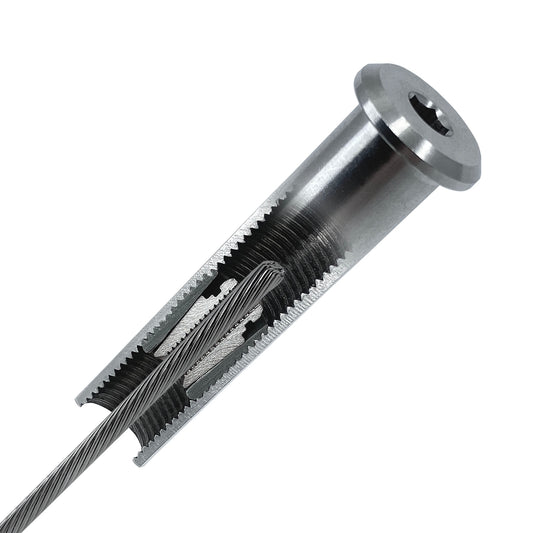
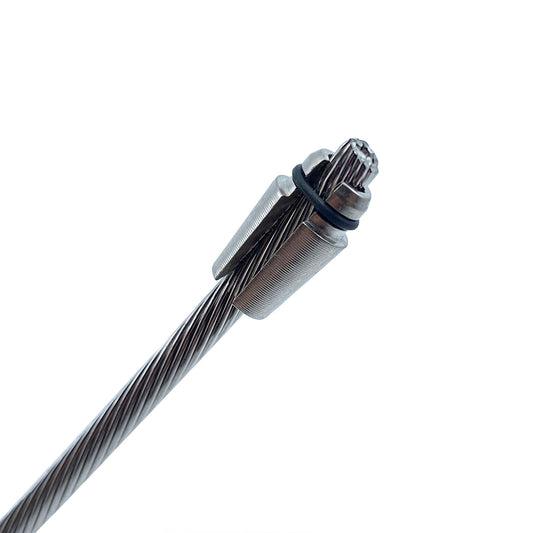
Labor is the hidden cost driver. Professional installation can double the price of a project. Keuka Cable systems are designed for the DIYer. If you can operate a drill and a wrench, you can install our swageless fittings without hiring a contractor.
The Bottom Line
Budgeting for cable railing isn't just about the length of your deck; it's about the complexity of your layout.
- Most Expensive: Metal posts, many corners, professional installation.
- Most Affordable: Wood posts, long straight runs, DIY installation.
Want a precise number?
Don't guess. Send us a sketch of your deck (even on a napkin!). Our team will help you optimize the layout to minimize fittings and give you an exact quote.