Coastal Cable Railing: Protecting Your View from Salt and Rust
For many homeowners, the dream is a property with a view. Whether it’s an oceanfront deck listening to the crashing waves or a lakefront porch watching the sunset, the last thing you want to do is block that scenery with heavy wood pickets or cloudy glass.
Cable railing is the perfect solution for preserving your view, but it often comes with a nagging fear: "Will it rust?"
If you live near the coast or in a high-humidity lake environment, this is a valid concern. Salt air is brutal on metal. However, rust isn't inevitable. With the right material selection and a simple maintenance routine, your railing can withstand the elements and keep your view crystal clear for decades.

The Secret Weapon: T316 "Marine Grade" Stainless Steel
Not all stainless steel is created equal. If you shop around, you will see two common grades listed: T304 and T316.
- T304 is the standard for indoor appliances and inland outdoor furniture. It’s durable, but it lacks the chemical resistance needed for salty air.
- T316 (Marine Grade) is what we use at Keuka Cable. It contains an added element called molybdenum.
Think of molybdenum as a shield. It drastically increases the steel's resistance to chlorides, which are the corrosive agents found in sea spray and saltwater. While T304 might start to pit or corrode within months on a beach house, T316 is engineered to survive.
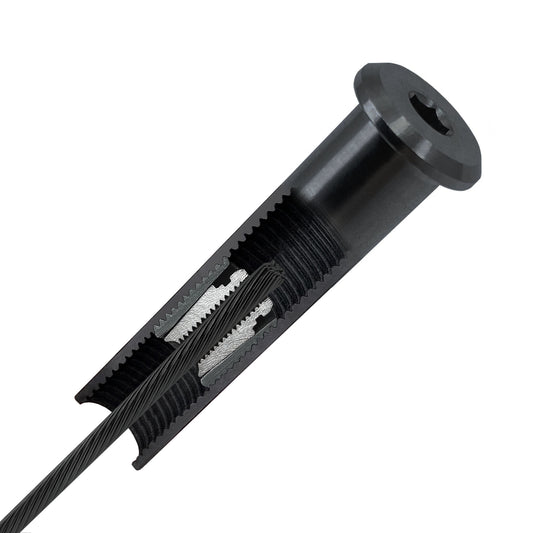
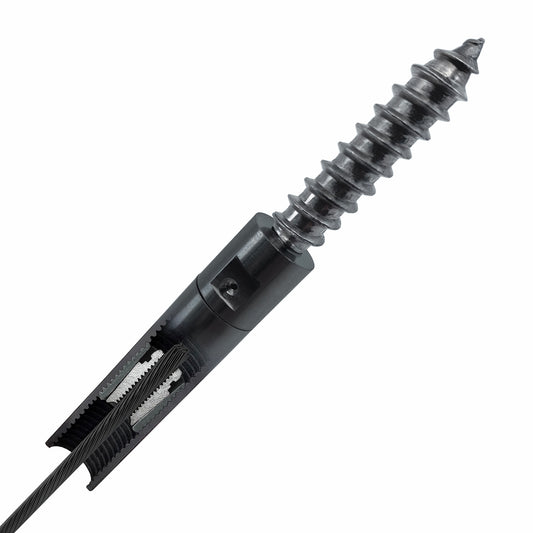
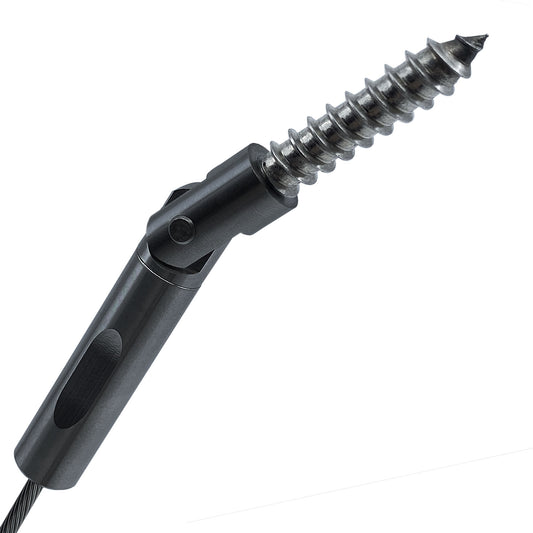
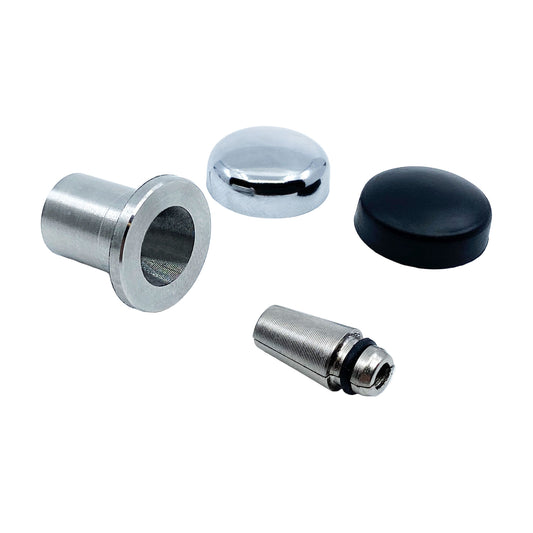
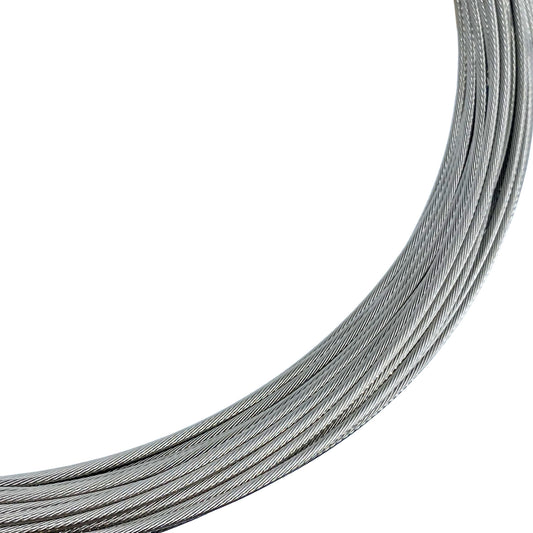
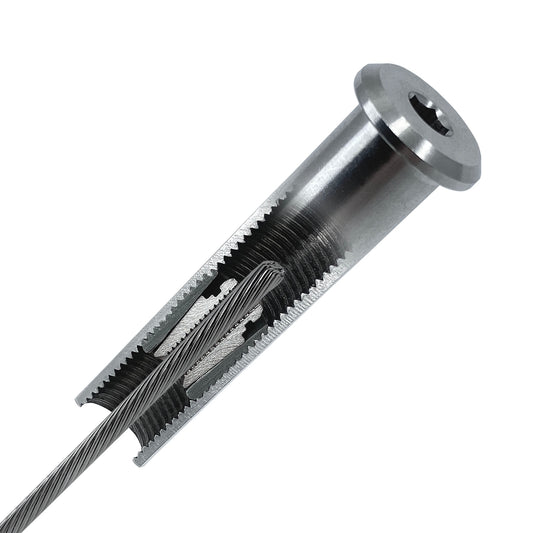
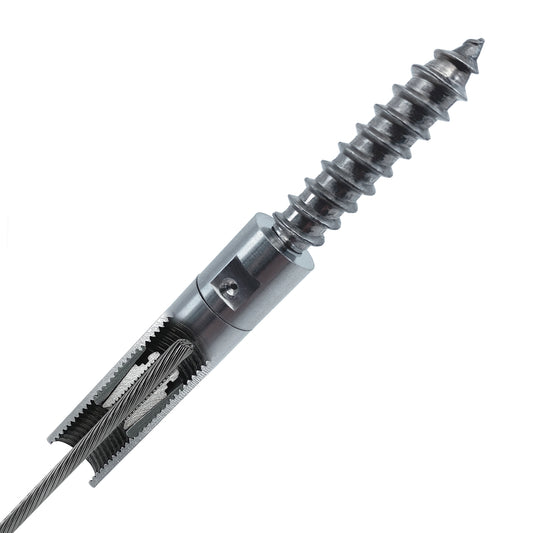
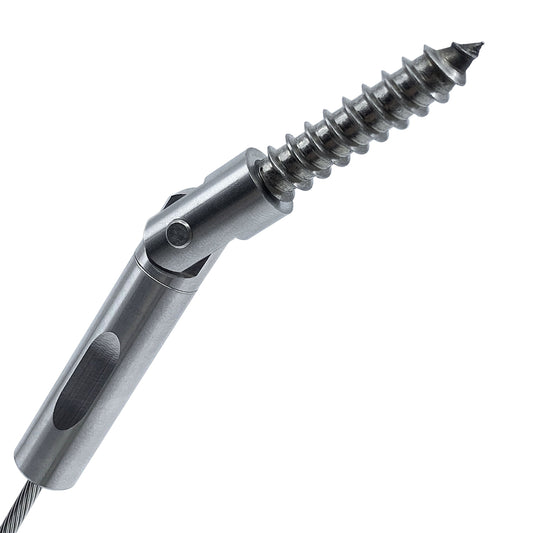
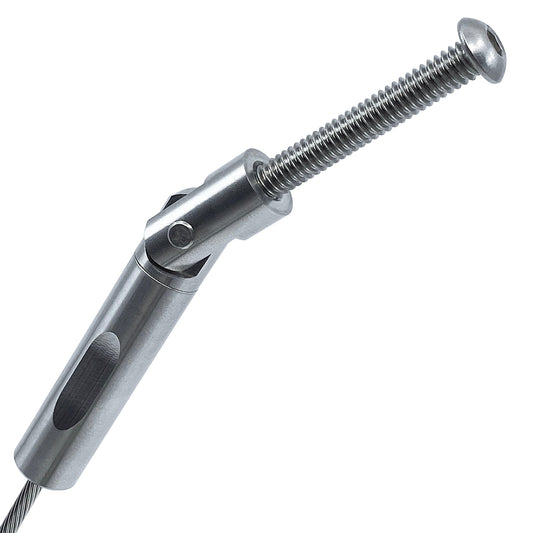
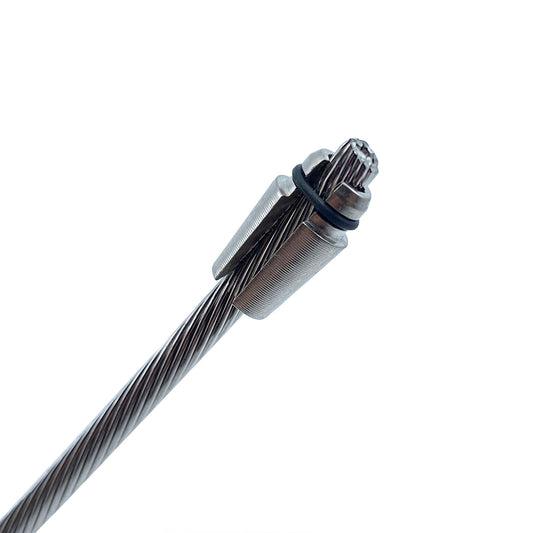
Keuka Cable Promise: All our cables and swageless fittings are manufactured in the USA using highly durable T316 stainless steel. We don’t cut corners on material grade because we know what your railing is up against.
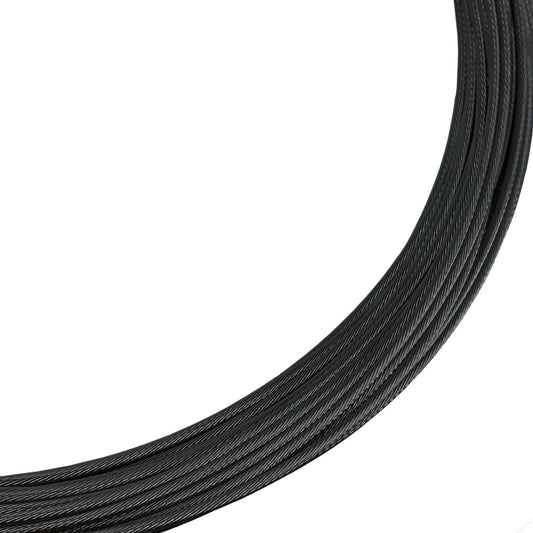
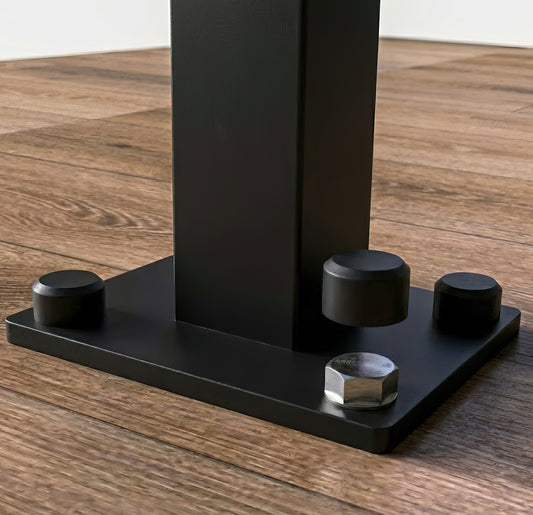
Note for Coastal Customers: While we offer a sleek black oxide finish for some of our products, we highly recommend sticking to our raw T316 stainless finish for coastal applications to ensure maximum longevity.

Understanding "Tea Staining" (And Why It’s Not Ruining Your Railing)
Even with the best marine-grade steel, you might occasionally see small brownish discolorations appear on the surface. This is often called "tea staining."
Don’t panic. Your railing is not failing.
Tea staining is cosmetic. It occurs when salt crystals stick to the surface of the steel and react with moisture. It doesn't mean the steel is rotting through; it just means the surface is dirty. The good news? It is incredibly easy to fix and prevent.
The 5-Minute Maintenance Routine
You don't need expensive chemicals or professional cleaners to keep your railing looking brand new. You just need fresh water.
In a coastal environment, rain is actually your friend since it washes away salt deposits naturally. But for the parts of your railing tucked under eaves or for dry spells, follow this simple routine:
- The Rinse: Once every few weeks (or after a heavy storm), take a garden hose and rinse down your cables and posts with fresh water. This washes away the salt before it has a chance to cause staining.
- The Wash: If you see grime building up, mix a little mild dish soap with warm water and wipe the cables down with a soft cloth or sponge.
- The Fix: If you do spot some tea staining, use a specialized stainless steel cleaner (available at most hardware stores) to wipe it away.
What to Avoid:
- Never use steel wool: It will leave behind iron particles that will rust instantly.
- Avoid harsh chlorides: Don’t use bleach or masonry cleaners near your railing.

Build It Right, Build It to Last
Living by the water means enjoying the elements, not fighting them. By choosing Keuka Cable’s T316 marine-grade hardware and giving it a quick rinse now and then, you aren't just building a railing, but investing in a rust-free view that will last a lifetime.
Ready to upgrade your coastal home? Shop our hardware here.