Horizontal vs. Vertical Cable Railing: Pros, Cons, and Views
When you picture a cable railing, you likely imagine the classic "nautical" look: thin stainless steel wires running horizontally, perfectly parallel to the horizon. It is the industry standard for a reason, but it isn't your only option.
As architects and homeowners look for unique ways to frame their views, vertical cable railing has emerged as a bold alternative.
At Keuka Cable, we have supplied hardware for stunning residential and commercial projects in both styles. But which one is right for your deck? Here is a side-by-side comparison of Horizontal vs. Vertical Cable Railing to help you decide.
1. The View
The primary reason you are choosing cable is transparency. You want safety without the visual bulk of wood pickets.
Horizontal Cable
- The Effect: Because our eyes naturally scan landscapes from left to right, horizontal cables tend to "disappear" into the horizon line.
- Best For: Panoramic views. If you are overlooking a lake, an ocean, or a rolling hillside, horizontal cables mimic the natural layers of the earth and water, creating the most unobstructed experience.

Vertical Cable
- The Effect: Vertical cables create a "picket fence" rhythm but with much thinner lines. While they don't vanish into the horizon like horizontal wires, they are fantastic at seeing through.
- Best For: Wooded settings. If your backyard is full of tall trees or vertical architectural elements, vertical cables mirror those lines, blending seamlessly into the forest background.

2. Safety & Code Compliance
This is the most debated topic in the railing industry.
The "Ladder Effect" (Horizontal)
For years, a common concern with horizontal railing was the fear that children could use the cables as a ladder.
- The Reality: While the International Building Code (IBC) does not ban horizontal ladders, some local municipal codes still restrict them.
- The Solution: If your local inspector is strict in regards to climbing, horizontal railing might be a challenge to get approved. However, tens of thousands of homes use horizontal cable safely by keeping cable spacing tight (under 3 inches) to make climbing difficult.
The Safety Winner (Vertical)
- Non-Climbable: Vertical cables solve the "ladder effect" entirely. There is no foothold for a child to step on.
- Code Friendly: If you live in a strict code jurisdiction or are building for a commercial space (like a restaurant or hotel), vertical cable is often the instant "green light" from inspectors.
3. Installation & Engineering
Your choice of orientation will dictate how you build your frame.
Horizontal: The DIY Favorite
Horizontal runs are generally easier to install. You typically run cables through intermediate posts and tension them at the ends.
- Frame Requirement: You need strong end posts to handle the tension, but your top rail can be lighter.
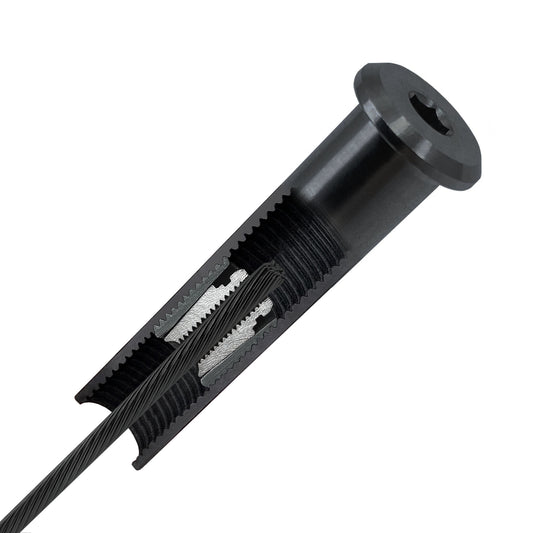
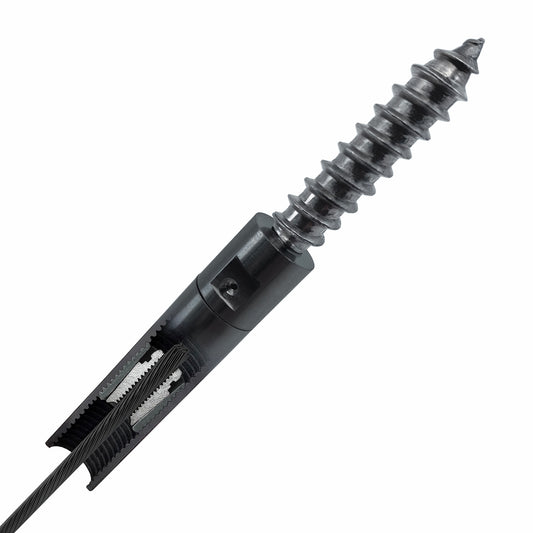
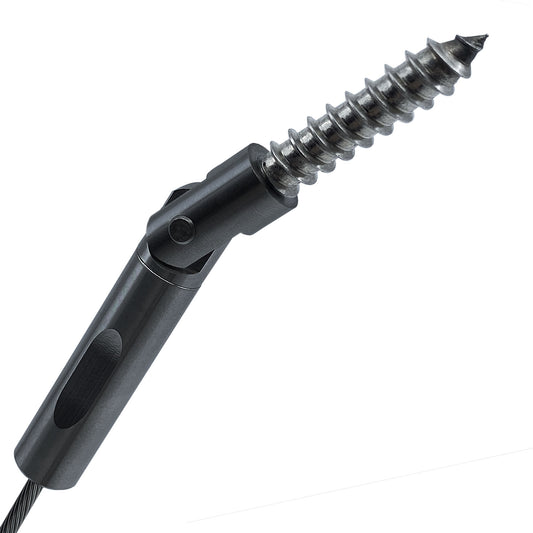
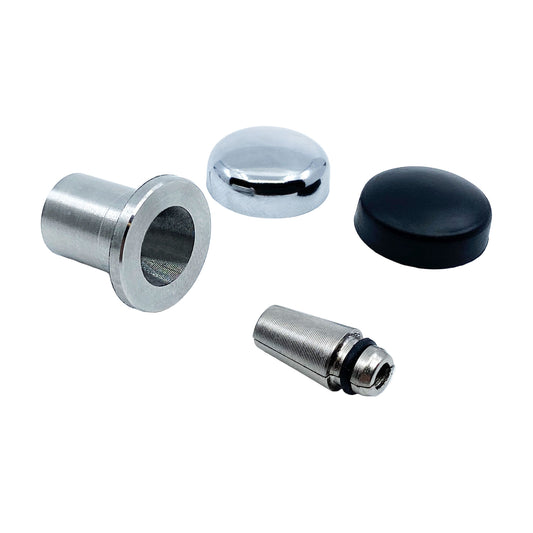
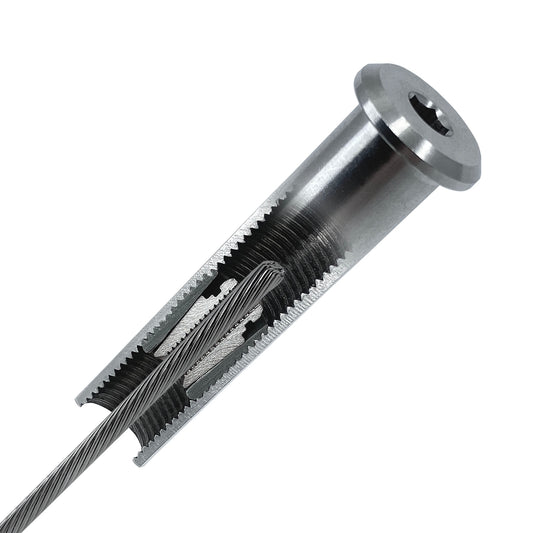
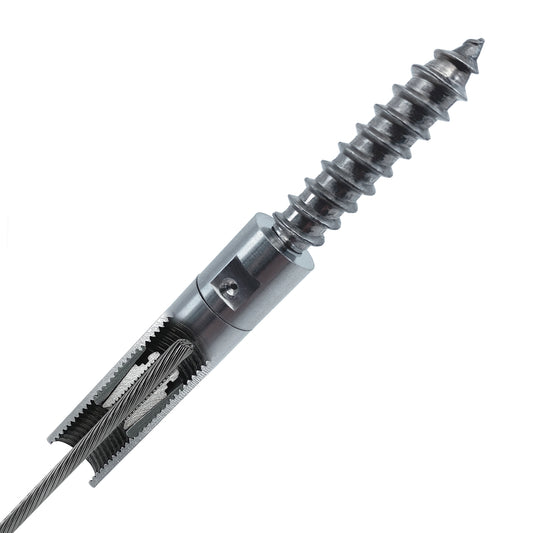
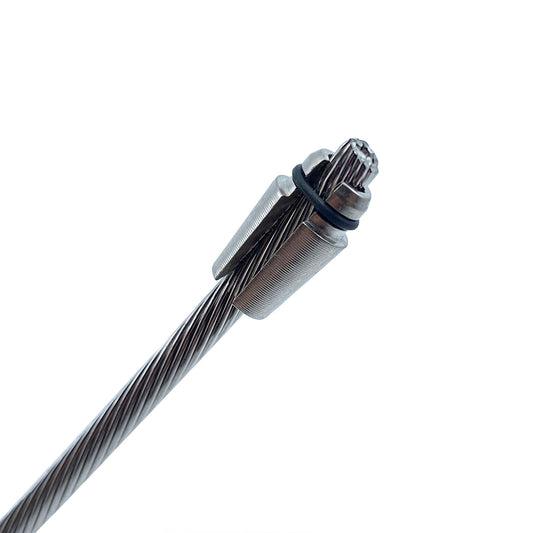
- Keuka Hardware: Our standard swageless fittings are perfect here. You can run long continuous lengths of cable through multiple posts, reducing the amount of hardware you need to buy.
Vertical: The Architect’s Choice
Vertical systems require a different framing approach.
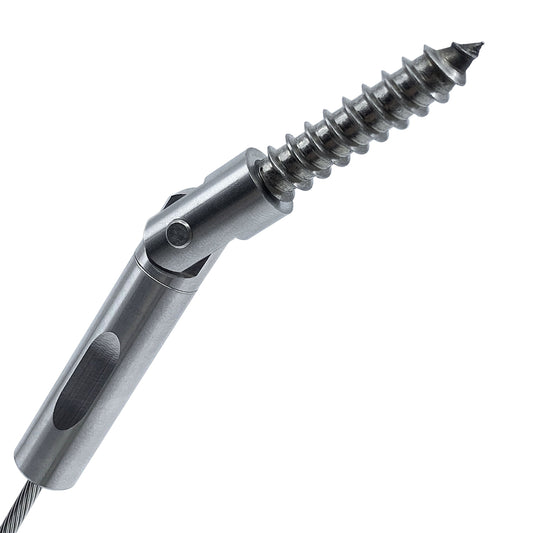
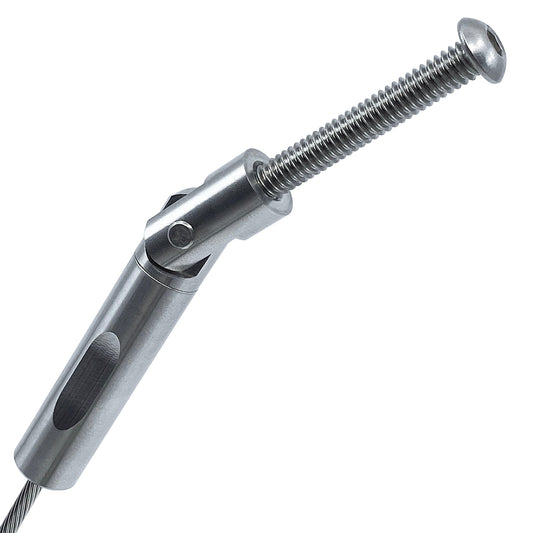
- Frame Requirement: Because the tension pulls up and down, you need a robust bottom rail and top rail to prevent bowing. You generally don't need heavy posts, but you do need a rail structure that can hold the tension of dozens of vertical wires.
- Hardware Density: Vertical railing typically requires more fittings (one tensioner and one terminal for every vertical wire), which can increase the material cost compared to horizontal runs.
The Verdict: Which Style Fits Your Home?
Choose Horizontal If:
- You want the most "invisible" railing for a water or mountain view.
- You are doing a DIY retrofit on existing wood posts.
- You want to minimize hardware costs by running long cable spans.
Choose Vertical If:
- You have strict local building codes regarding climbing.
- You love the unique, architectural look that stands out from the neighbors.
- Your view is "tall" (trees, cityscapes) rather than "wide" (oceans, plains).
Design With Freedom
Whether you choose the classic horizontal lines or the striking vertical rhythm, Keuka Cable fittings are engineered to work with your design. Our marine-grade 316 stainless steel hardware ensures that whichever direction you run your cables, they will look beautiful for a lifetime.
Need help planning your frame? Browse our Gallery for inspiration or contact our design team to discuss your project.