Using Cable Railing to Create a Deck That Blends into Nature
When we think of a view, we often imagine a sweeping ocean horizon or a mountain peak. But for many homeowners nestled in woodlands, dense forests, or lush gardens, the view is intimate and vertical. It is the texture of bark, the rustle of fern fronds, and the canopy filtering the sunlight.
In these settings, the goal of deck design is not just to provide a platform to stand on. It is to create a space that feels like it grew out of the landscape. This is the heart of biophilic design, which is architecture that seeks to connect building occupants more closely to nature.
For a deck to truly embrace this philosophy, the barriers between us and the outdoors must dissolve. This is where the concept of the invisible railing becomes essential.

What is Biophilic Deck Design?
Biophilic design goes beyond adding a few potted plants. It is a strategic approach to architecture that mimics natural environments. For outdoor living spaces, this means:
- Maximizing Visual Connection: Removing obstructions that block the eye from traveling into the landscape.
- Natural Materials: Using wood, stone, and metal that weather and patina over time.
- Organic Forms: Moving away from rigid, boxy structures in favor of curves or lines that follow the terrain.
In a forest setting, a heavy wooden balustrade or a thick composite railing acts as a frame that separates you from the environment. It tells your brain that this is the edge and nature stops here. To achieve true immersion, that frame needs to disappear.

The Problem with Traditional Railings in Forest Settings
Traditional picket railings create what is known as the fence effect. In an area with heavy vegetation, vertical wood or composite pickets create a visual stutter. They chop up the continuous lines of tree trunks and branches, creating visual noise that distracts from the serenity of the woods.
Furthermore, traditional railings often require bulky posts and top rails that feel heavy and imposing. Instead of floating amongst the trees, your deck feels like a fortress built to keep nature out.
How Cable Railing Creates the Invisible Effect
Cable railing systems are the premier choice for biophilic deck design because they offer the structural safety you need with almost zero visual mass. Here is why they are the secret weapon for disappearing decks:
1. Thin Profile with Maximum Strength
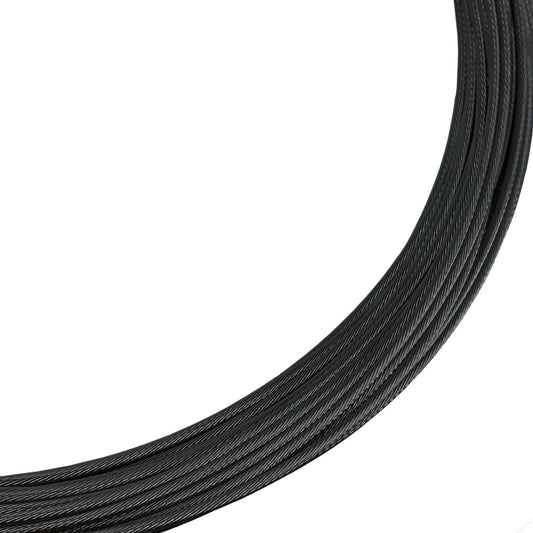
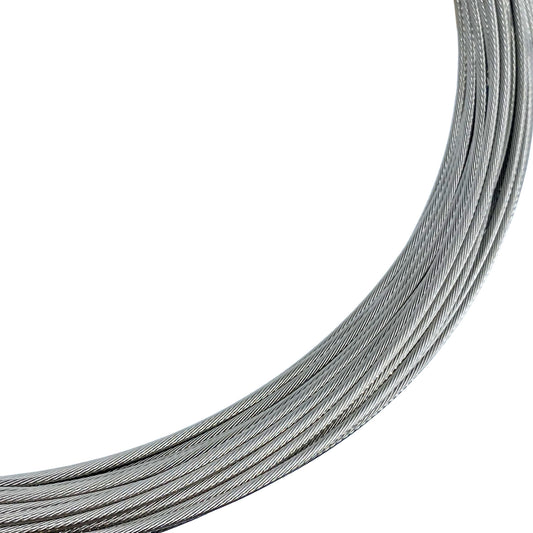
Stainless steel cables are incredibly thin, often just 1/8 inch or 3/16 inch in diameter, yet possess immense tensile strength. From just a few feet away, these thin horizontal lines blur out of focus, allowing the eye to pass right through them to the greenery beyond.
2. Mimicking the Horizon
In a forest, vertical lines are dominant because of the trees. Horizontal cable lines provide a subtle contrast that does not compete with the verticality of the forest. They do not clash with the trees; they float between them.
3. Reflective Qualities
Stainless steel has a unique property in shaded, wooded environments: it reflects the ambient colors of its surroundings. In a lush forest, the cables often pick up the greens and browns of the foliage, further helping the railing system camouflage itself.

Design Tips for a Nature Blending Deck
If your goal is to build a deck that feels like part of the forest floor or canopy, consider these design strategies using Keuka Cable systems:
Choose a Dark or Natural Powder Coat
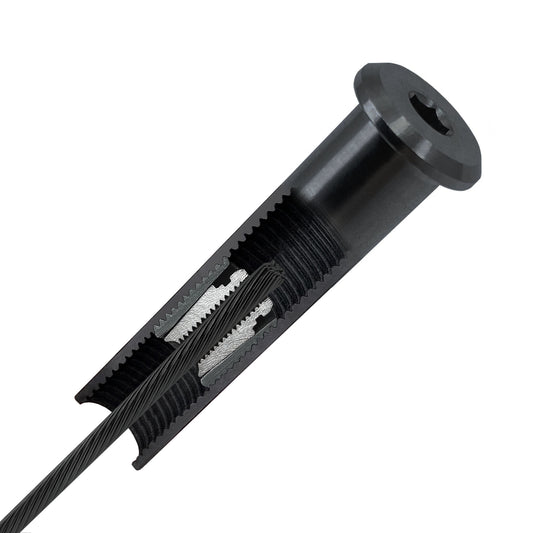
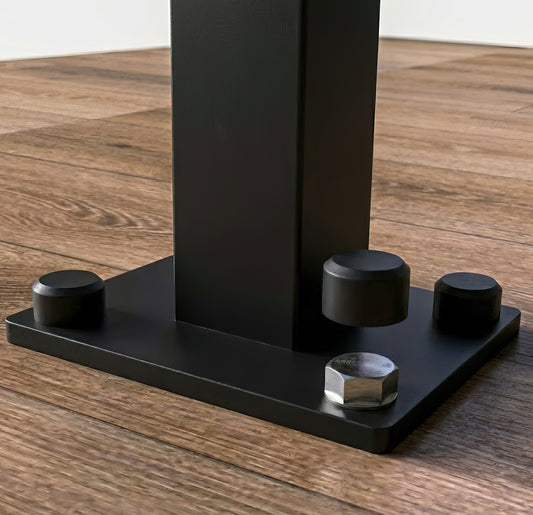
While sparkling stainless steel is beautiful, choosing a powder coated post in Black, Bronze, or Dark Green can make the structural elements of your railing vanish into the shadows of the tree line. Keuka Studios offers custom powder coating options allow you to match the railing posts to the bark of surrounding trees or the siding of your home for a seamless look.
Opt for Slender Posts
Styles like the Ithaca Style or Keuka Style are designed with architectural precision. Their slender profiles ensure that the posts themselves do not become visual blockers. The Keuka Style features a gentle outward curve than can even mimic the organic shape of tree branches, softening the hard edges of the deck.
Wood Top Rails
To ground the industrial look of steel cables, cap your railing with a natural wood top rail. Using a species like Ipe, Cedar, or Mahogany that matches your decking creates a warm, tactile surface for hands to rest on, bridging the gap between the metal structure and the natural environment.

Conclusion: Let Nature Take Center Stage
The best architecture is the kind you do not notice. In a forest or garden setting, your railing should not be the focal point. The nature surrounding it should be the hero.
By utilizing a cable railing system, you are making a conscious design choice to prioritize the view and the feeling of immersion. You are not just building a deck. You are building a front row seat to the changing seasons, the wildlife, and the peace of the outdoors.
Ready to design a deck that disappears?
Explore the Keuka Cable Gallery to see how our cable railing systems have helped homeowners across the country blend their outdoor living spaces seamlessly with the wild.