Wood vs. Metal Posts: Choosing the Right Frame for Your Cable Railing
You’ve fallen in love with the clean lines and unobstructed views of a cable railing system. You know you want that modern, invisible look that opens up your backyard, but you’re stuck on one major design decision: the posts.
It is a common scenario we see at Keuka Cable. Many of our customers purchase our cable railing fittings but choose to source their posts locally. Whether you are building a new deck from scratch or retrofitting an existing porch, the frame you choose will define the budget, maintenance, and final aesthetic of your project.
Should you stick with the warmth and affordability of wood, or upgrade to the sleek durability of metal? Here is a breakdown to help you choose the right frame for your cable railing.

The Case for Wood Post Cable Railing
For many DIYers and homeowners, wood is the default choice. It is accessible, easy to work with, and often matches the existing structure of the house.
The Pros
- Cost-Effective: Wood is generally 40–50% cheaper upfront than metal posts. If you are working on a tight budget, using pressure-treated lumber or cedar for your posts can save you thousands on a large deck.
- Warm Aesthetic: A wood post cable railing blends the traditional charm of a timber frame with the modern edge of stainless steel. It’s a softer look that fits perfectly with rustic, farmhouse, or craftsman-style homes.
- DIY Accessibility: You don’t need a welder or special fabrication tools. If you have a drill, a saw, and a level, you can install wood posts yourself.
The Cons
- Maintenance: This is the biggest trade-off. Wood will eventually warp, crack, or rot. To keep it looking fresh, you will need to stain or seal it every few years.
- Structural Movement: Wood expands and contracts with the weather. Over time, this can cause cables to lose tension, requiring you to re-tighten them more frequently than you would with a rigid metal frame.

Installation Tip: Drilling Wood Posts for Cable
If you choose wood, the success of your project comes down to accuracy. Drilling wood posts for cable requires precision to ensure the wires pass through straight and level.
- Use a Template: Don’t eyeball it. Create a jig or use a template to mark every hole location.
- Prevent Blowout: When drilling through a post, the wood can splinter as the bit exits the back. To prevent this, drill halfway through from one side, then switch to the other side to meet in the middle. Alternatively, clamp a scrap piece of wood to the back of the post to act as a buffer.
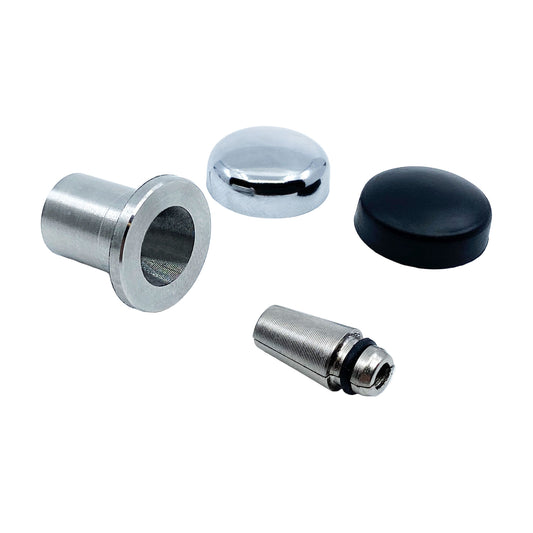
- Protect the Wood: We recommend using stainless steel protective sleeves (or washer nuts) where the cable enters the wood to prevent the cable from biting into the soft timber over time.
The Case for Metal Posts
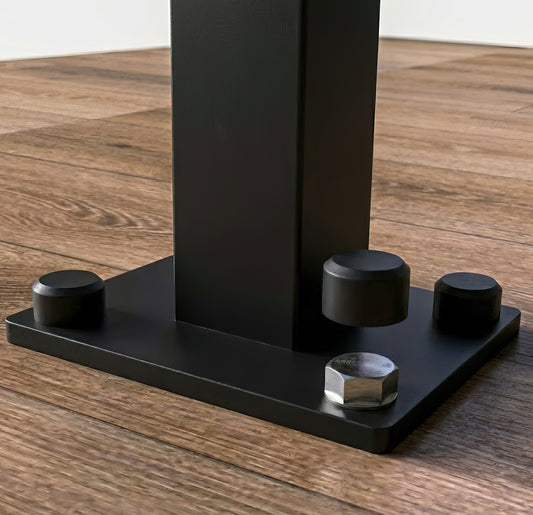
If you are looking for a "set it and forget it" solution, metal (aluminum or steel) is the clear winner.
The Pros
- Durability: Metal posts are impervious to rot, termites, and warping. A powder-coated aluminum or stainless steel post can last decades with almost zero maintenance.
- Modern Aesthetic: If you want that ultra-sleek, industrial, or contemporary vibe, metal is the way to go. The slim profile of metal posts maximizes your view even more than wood.
- Rigidity: Metal posts are incredibly stiff. Once you tension your cables, they are less likely to slacken over time because the frame won't shrink or swell like wood.
The Cons
- Higher Upfront Cost: When comparing metal vs wood deck railing costs, metal is significantly more expensive. You are paying for longevity and engineering.
- Heat: In direct, scorching sunlight, dark metal posts can get hot to the touch, whereas wood tends to stay cooler.

Which Fittings Should You Buy?
The best part about Keuka Cable systems is their versatility. Our hardware is designed to work seamlessly with both wood and metal frames.
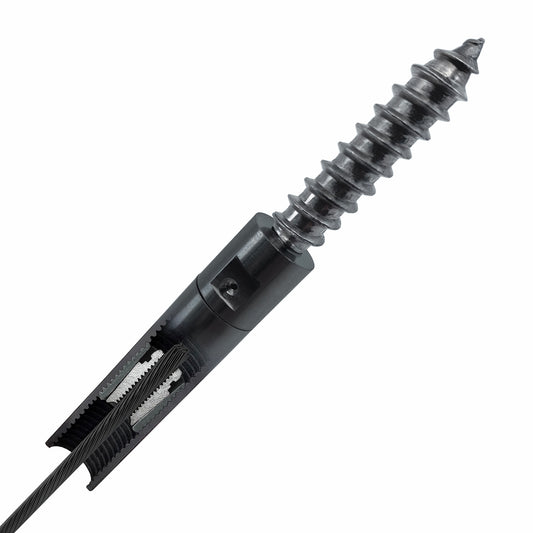
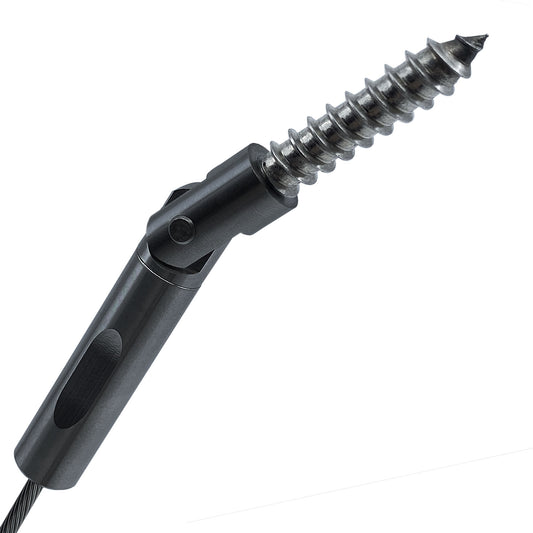
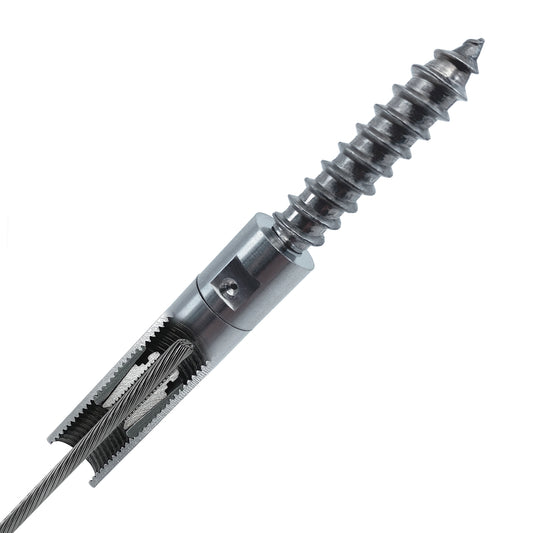
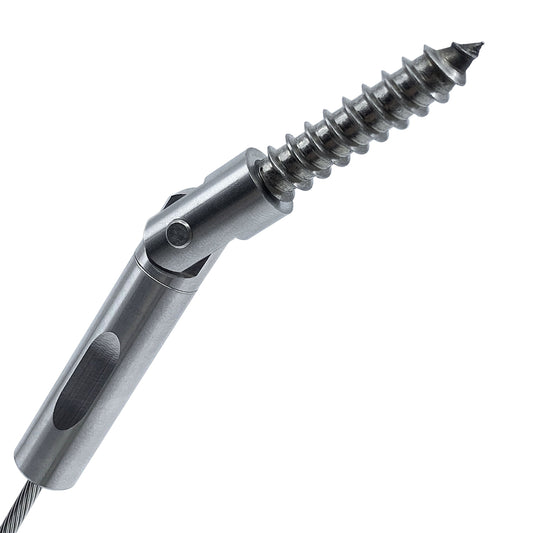
- For Wood Posts: We offer lag screws and lag eyes specifically designed to bite securely into timber.
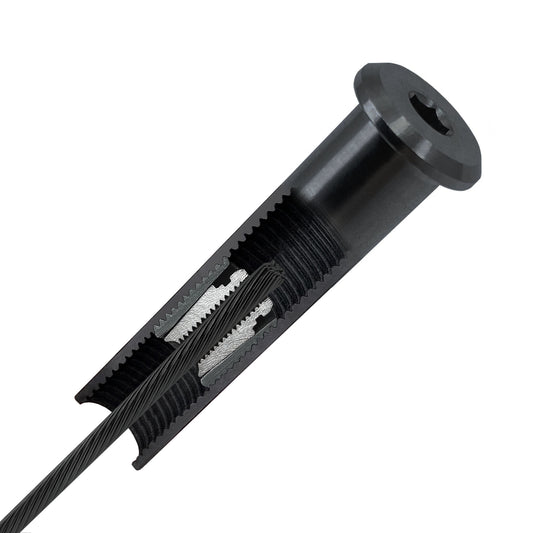
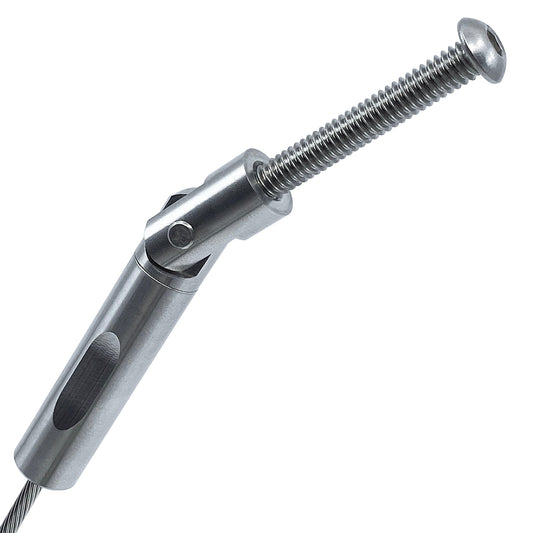
- For Metal Posts: We provide threaded terminals and mounting hardware that attach easily to steel or aluminum posts.
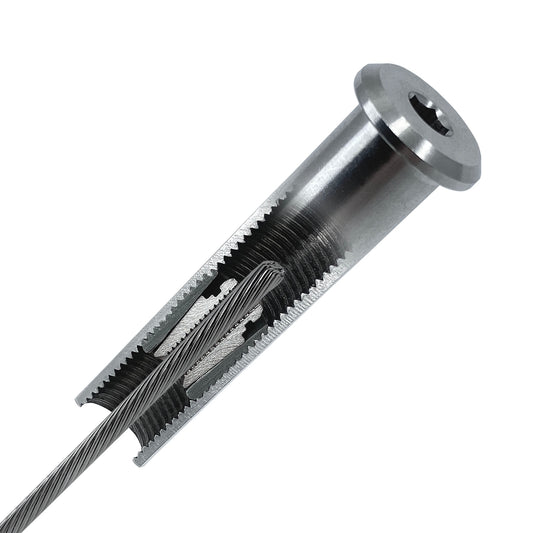
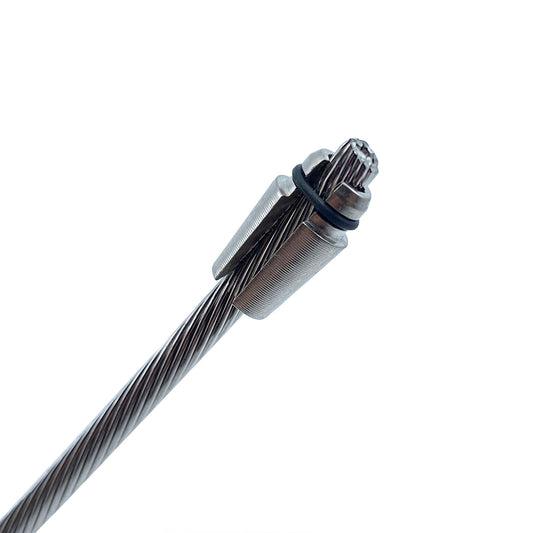
Our patented swageless fittings are a favorite for both applications because they don’t require a heavy hydraulic crimper. Whether you are drilling into a 4x4 cedar post or a 2-inch steel tube, you can install our fittings by hand using simple tools.
The Verdict
Choose Wood Posts if:
- You want to keep initial costs low.
- You love the look of natural grain and want to match a wood deck floor.
- You are comfortable with occasional maintenance (staining/sealing).
Choose Metal Posts if:
- You want a maintenance-free railing that lasts a lifetime.
- You prefer a modern, minimalist design.
- You are in a coastal environment where wood might rot quickly (opt for aluminum or 316 stainless steel posts).
No matter which frame you choose, the "infill" is what makes the magic happen. Keuka Cable fittings are designed to make your installation easy and your view flawless.
Ready to start designing? Shop our Cable Railing Hardware to find the perfect hardware for your wood or metal posts.