Aluminum vs Stainless Steel Railing: Why Material Matters
When you are browsing photos of deck railings, it is hard to tell the difference between materials. A black metal post looks like a black metal post. However, when you visit a showroom or handle the materials in person, the difference becomes instantly obvious.
For homeowners debating between a common aluminum railing kit and a premium stainless steel system like Keuka Cable, the choice often comes down to three factors: strength, longevity, and "feel."
Many big box stores sell hollow aluminum kits because they are lightweight and cheap to ship. But when it comes to the safety and value of your home, lightweight is not always a virtue. Here is why discerning homeowners choose stainless steel.

The "Shake Test": Strength You Can Feel
The most immediate difference between aluminum and stainless steel is rigidity.
Aluminum is a soft, lightweight metal. To make it affordable, manufacturers of budget railing kits often extrude it into thin, hollow tubes. While this meets the bare minimum for safety codes, it often results in a railing that flexes or rattles when you lean against it. It can feel temporary.
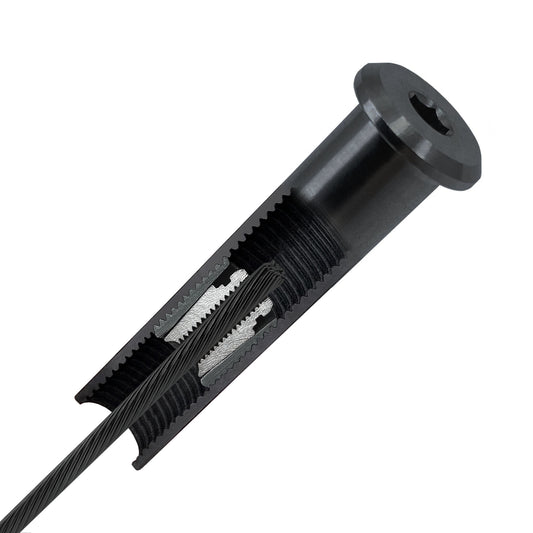
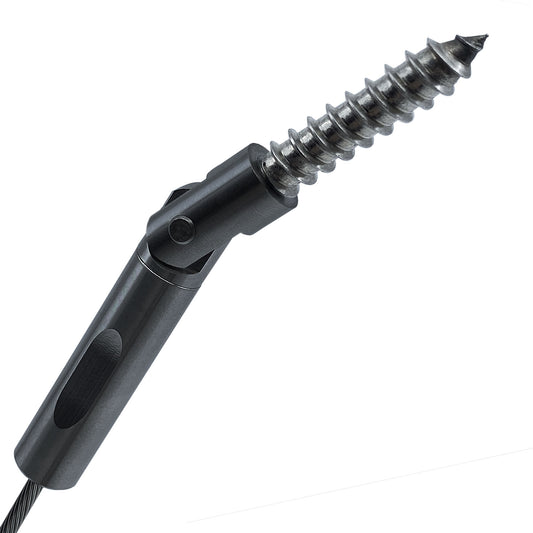
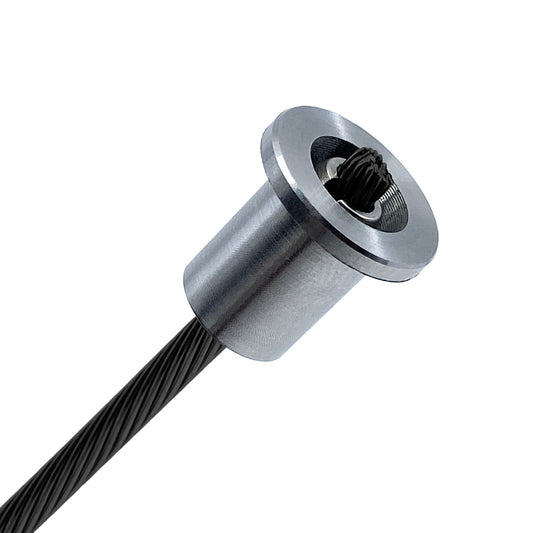
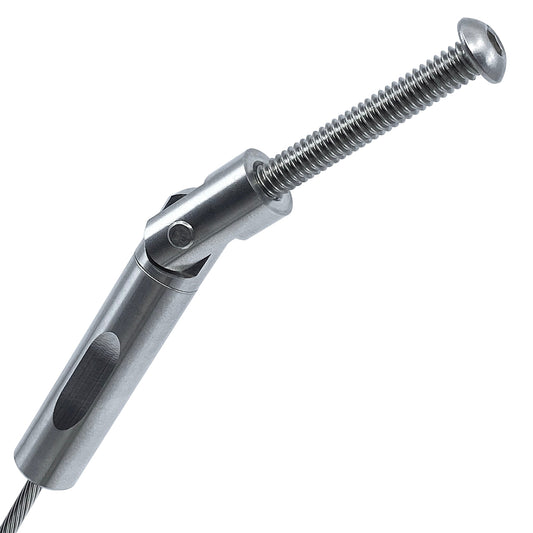
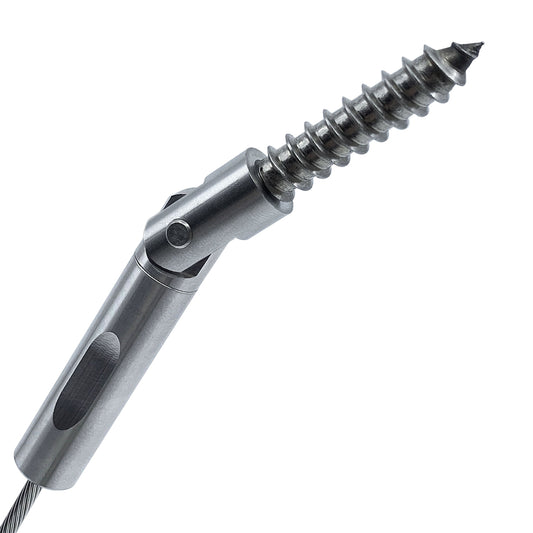
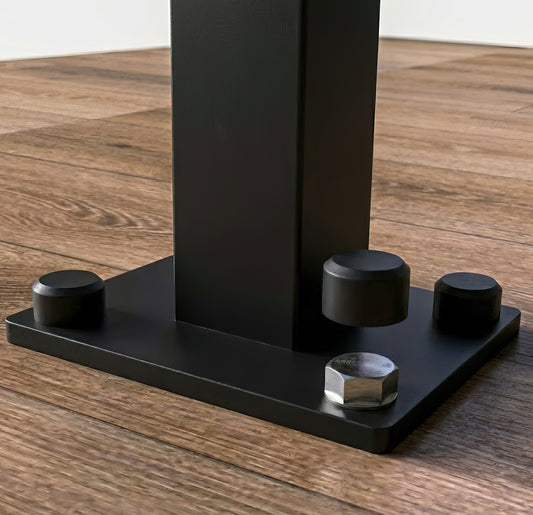
Keuka Cable specializes in stainless steel engineering. Whether you are holding our heavy 316 grade fittings or leaning against a steel post, the system feels sturdy. This rigidity does not just offer better safety; it offers a sense of permanence and luxury that hollow aluminum simply cannot match.
Corrosion Resistance: The Truth About Rust
A common myth is that aluminum does not rust. While it does not rust red like iron, it does corrode.
When exposed to the elements, especially in salty coastal air or areas with heavy rain, aluminum oxidizes. This creates a chalky white film or pitting on the surface that can make the finish look dull and tired after just a few seasons.
Stainless steel, specifically the Type 316 marine grade stainless steel used by Keuka Cable, is chemically engineered to resist corrosion. It contains molybdenum, an alloy that hardens the steel against chlorides and salt spray. This is why you see 316 stainless used on high end yachts and oceanfront piers. It maintains its luster for decades rather than years.

The Long Term Investment
It is true that aluminum railing is often cheaper upfront. However, the cost of ownership tells a different story.
Aluminum railing kits are often coated with a standard paint or powder coat that can chip. Once that thin coating is breached, the raw aluminum underneath begins to corrode, leading to bubbling paint and unsightly flaws. Repairing these systems is difficult and matching the factory finish is nearly impossible.
Stainless steel is the most durable deck railing material available. It does not rely on a cheap surface coating for its strength. Even if it gets scratched, it is still stainless steel underneath. It can be buffed and polished back to new condition without ever needing to be replaced.

The Verdict
So which material belongs on your home?
If you are looking for a temporary fix or the absolute lowest upfront price, aluminum kits are a functional option. But if you are looking for a railing that adds real architectural value, stands up to the harshest weather, and offers a luxury feel, stainless steel is the clear winner.