Cable Tensioning 101: How to Keep Your Lines Tight Over Time
One of the most common questions we hear from homeowners dreaming of a sleek, modern deck is simple but serious: "Will the cables get saggy?"
It’s a valid concern. You want those crisp, horizontal lines to disappear into your view, not droop like a clothesline. The short answer is: yes, physics affects everything, but correcting it is incredibly easy.
At Keuka Cable, we believe in transparency, both in our views and our engineering. Here is the science behind why cables relax and how our system allows you to bring them back to "guitar-string tight" in minutes.

The Science of Sag: Why Do Cables Loosen?
Before you worry that you’ve bought a faulty product, it is important to understand that cable relaxation is a natural physical process, not a defect. There are two main culprits at play:
1. Thermal Expansion and Contraction
Your deck lives outside in the elements. Stainless steel is a metal, and like all metals, it reacts to temperature changes.
- In the Summer: Heat causes metal molecules to vibrate faster and move apart, causing the material to expand slightly. This can create a small amount of slack in your lines.
- In the Winter: The cold causes the metal to contract and tighten.
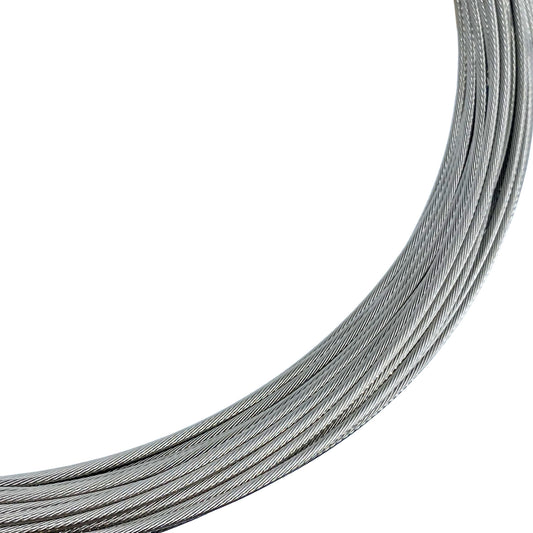
While high-quality 316 marine-grade stainless steel (the standard we use) is incredibly stable, even microscopic expansion across a 40-foot run can result in a visible change in tension.
2. Structural Settling
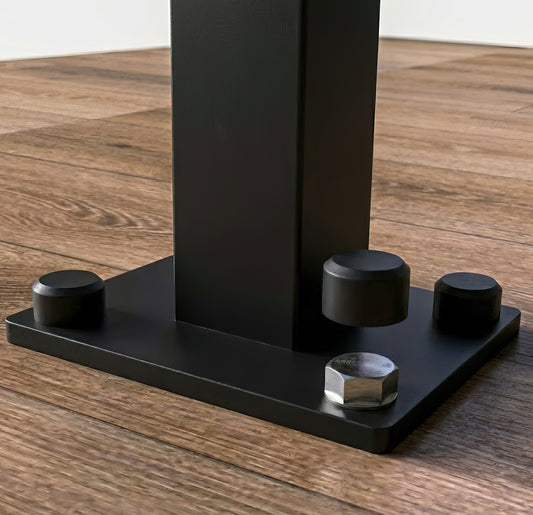
If your deck is new, the wood frame is still "settling in." As pressure treated lumber dries out and shrinks, or as the ground beneath your footings shifts slightly, the posts may move a fraction of an inch. A movement of just 1/8th of an inch at the end post is enough to reduce tension on the cable.

The Keuka Advantage: Tensioning Made Simple
Many cable railing systems on the market require expensive hydraulic crimpers or professional contractors to adjust. If a cable goes slack, you’re often stuck staring at it or paying for a service call.
We designed Keuka Cable differently.
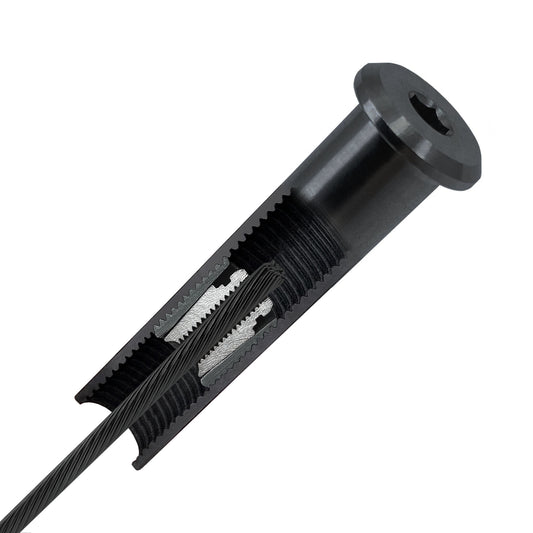
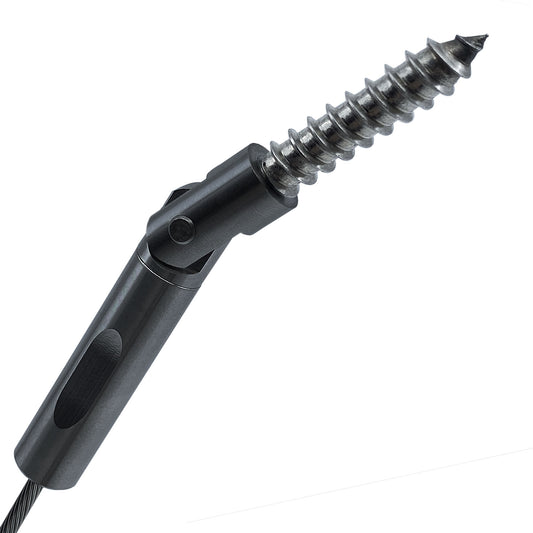
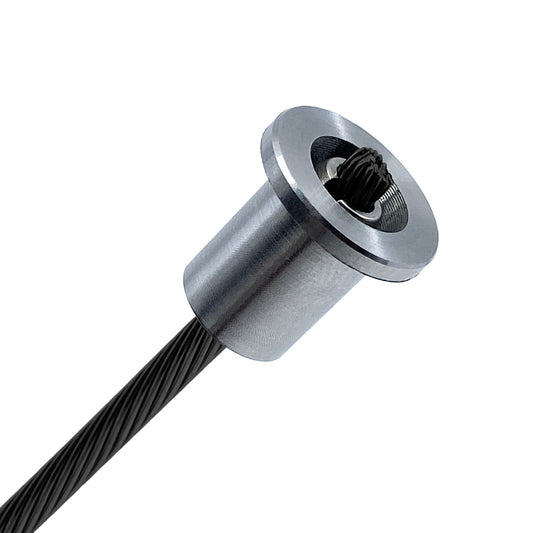
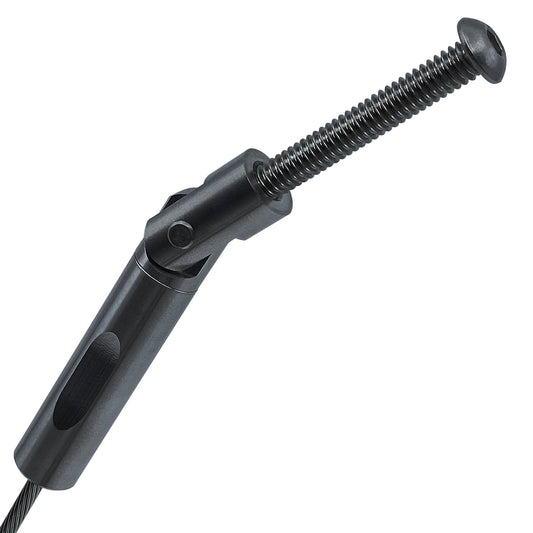
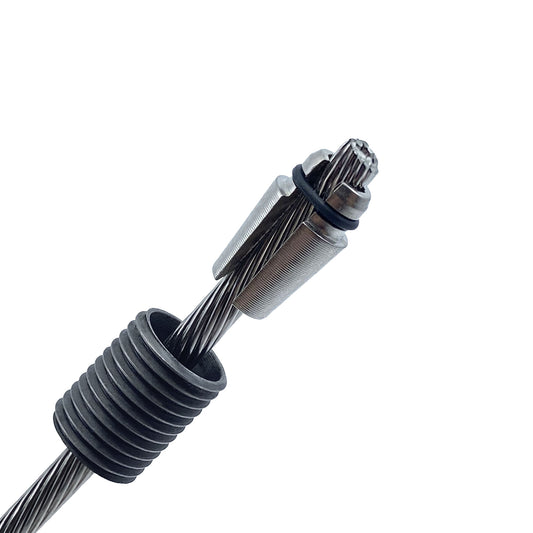
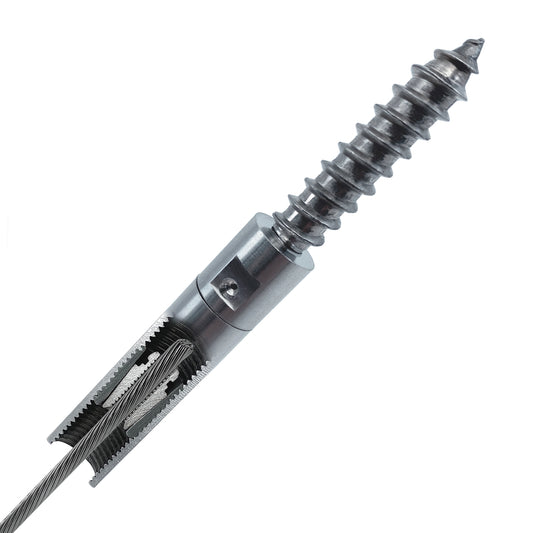
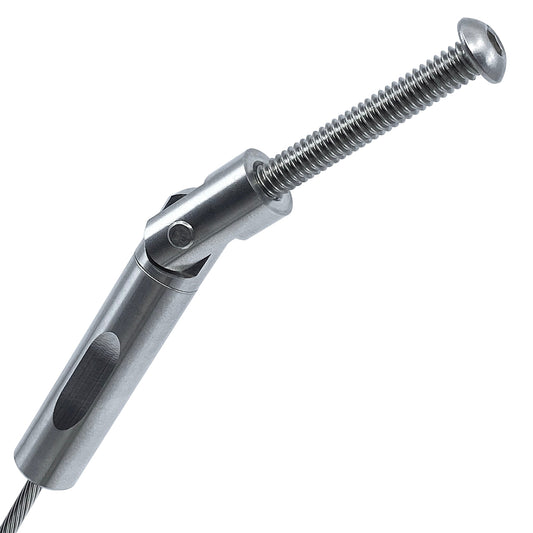
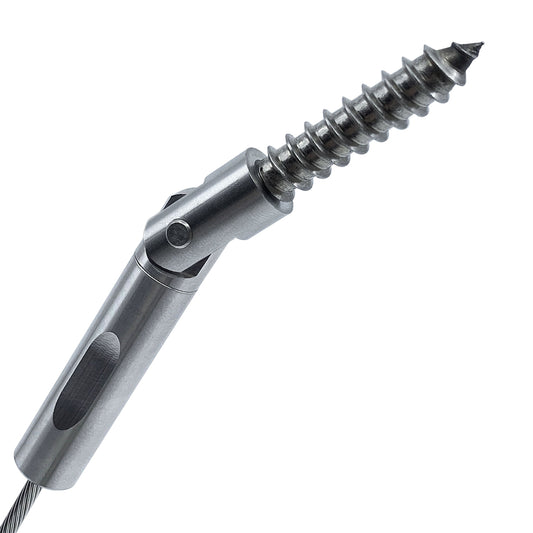
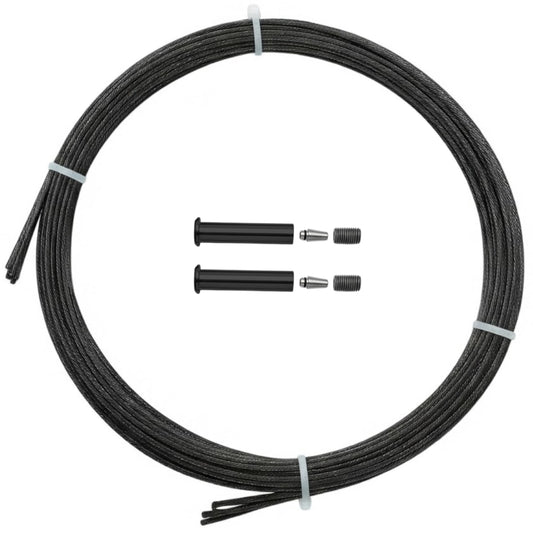
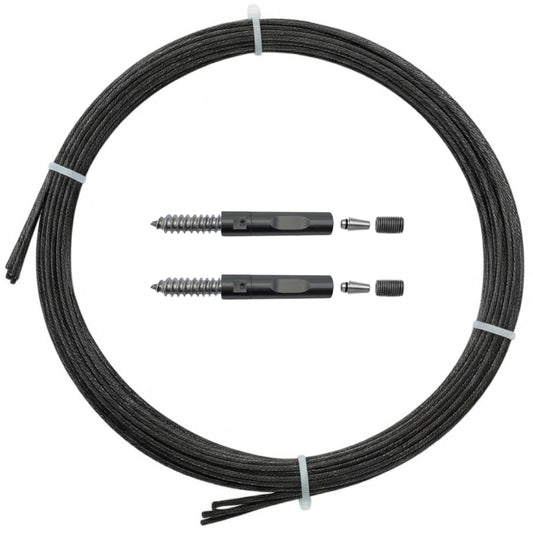
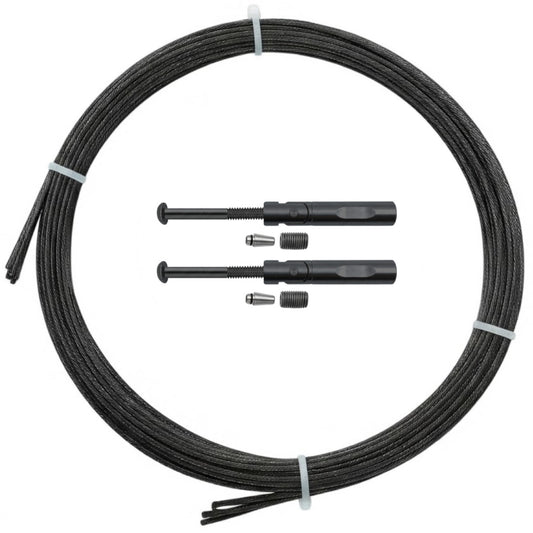
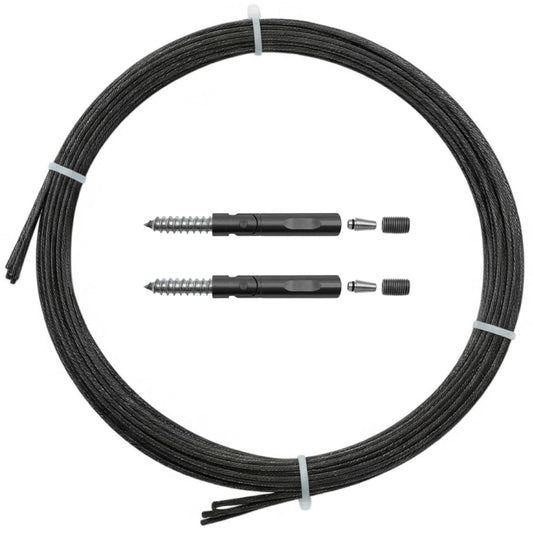
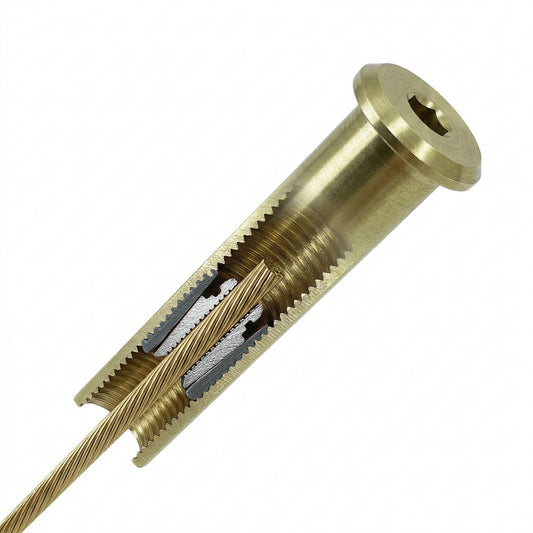
Our system utilizes proprietary swageless fitting technology. This means the locking mechanism is mechanical, not permanent. It gives you the power to adjust the tension whenever you need to, using nothing more than a standard Allen wrench.
How to Tighten Your Keuka Cable Railing
Bringing your railing back to perfect alignment is a simple annual maintenance task, think of it like checking the air in your tires.
Tools Needed:
- Standard 3/16” Allen wrench
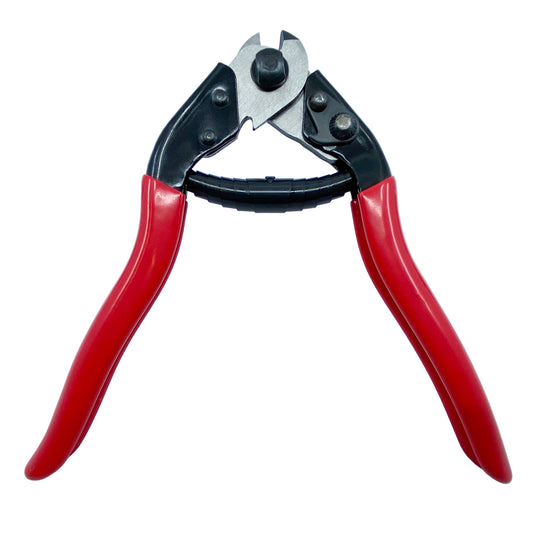
- Cable gripping pliers (or standard pliers with tape wrapped around the teeth to protect the steel)
The 3-Step Process:
- Grip the Cable: gently hold the cable steady with your pliers near the fitting to prevent it from spinning.
- Turn the Fitting: Insert your Allen wrench into the end of the fitting. Turn it clockwise to draw the threaded stud deeper into the post.
- Check the Tension: You don’t need a tension gauge; the "finger test" usually works. The cable should be rigid enough that you can’t easily pull it apart more than 4 inches.

The "Middle-Out" Technique
For the best results, don't start at the top and work down. Start tightening the middle cable first. Then, alternate one cable above and one cable below until you reach the top and bottom. This ensures the tension is distributed evenly across your posts, keeping them perfectly straight.

A Lifetime of Tight Lines
The fear of "saggy cables" shouldn't stop you from enjoying the best view possible. With a quality system, sagging isn't a permanent failure—it's just physics. And with Keuka Cable, fighting physics takes about five minutes on a Saturday morning.
Ready to upgrade your view? Explore our Cable Railing Hardware or contact us for installation advice.