Fascia Mounted vs. Surface Mounted vs. Core Mounted Posts: Which is Right for You?
When you are designing a cable railing system, most of the excitement focuses on the view. You picture the sleek cables and the modern fittings, but there is a structural decision you need to make first that will dramatically change the look and feel of your deck.
Should you mount your posts to the top surface of the deck or to the side of it?
At Keuka Cable, we offer our signature post styles like the Ithaca and Keuka models in both configurations. While both options provide the same safety and durability, they offer very different benefits when it comes to aesthetics and usable space.
Fascia Mounting: The Space Saver
Fascia mounting, also known as side mounting, involves attaching the railing posts to the outer vertical face (the fascia board) of your deck rather than the top floorboards.
This is the preferred choice for modern architects and homeowners with smaller decks, and here is why.

1. You Gain Usable Square Footage
The biggest advantage of fascia mounting is the immediate gain in floor space. When you surface mount a post, it typically sits about 2 inches in from the edge of the deck, depending on the structural frame. If you have a standard 2 x 2 post, you are losing nearly 4 inches of usable perimeter space all the way around your deck. By moving the posts to the outside fascia, you reclaim that entire perimeter.
2. A Cleaner and Floating Aesthetic
Fascia mounting creates a seamless visual line. Because the base plates and bolts are tucked away on the side, the deck surface remains unbroken. This gives your railing a floating appearance that looks incredibly high-end. It is particularly effective with our curved Keuka Style posts, as the side mount emphasizes the nautical outward curve of the design.
3. Superior Drainage and Maintenance
If you live in an area with snow or heavy leaves, fascia mounting is a game-changer. With no post bases blocking the edge of the deck, you can sweep water, snow, and debris right off the side without obstruction. It also protects your deck frame from water intrusion since you are not drilling lag bolts directly down into the surface planks.
Surface Mounting: The DIY Favorite
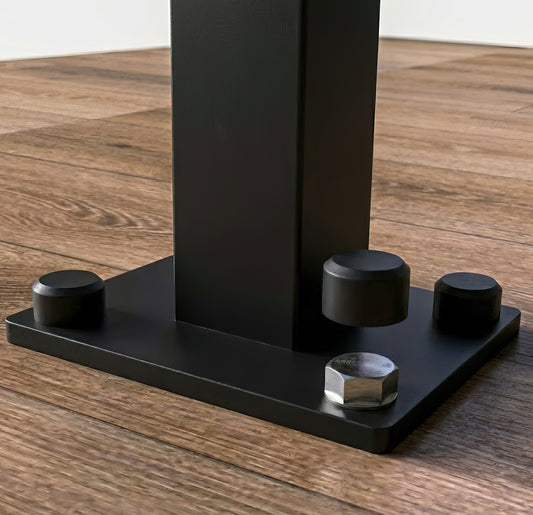
Deck mounting, or surface mounting, creates a more traditional look where the posts stand directly on top of the decking material. While it uses a bit more floor space, it remains the most popular choice for a few key reasons.

1. Easier Installation
Gravity is your friend when you choose deck mounted posts. You can simply stand the post up, mark your holes, and bolt it down. There is no need to clamp heavy steel posts to the side of the deck while trying to level them. For the solo DIYer, surface mounting is often the faster and less physically demanding route.
2. Versatility for Overhangs
If your deck planks overhang the rim joist by a significant amount, or if you are installing on a concrete patio or a stone porch, deck mounting is often your only option. It is the universal solution that works on almost any flat surface.
3. A Strong and Grounded Look
Some homeowners prefer seeing the hardware. A surface-mounted post with a well-detailed base plate creates a sense of sturdiness and traditional craftsmanship. It creates a defined border around your outdoor living space that feels solid and grounded.
Core Mounting: The Seamless Illusion
Core mounting (also known as through-deck or under-surface mounting) is the secret to achieving a truly flawless, architectural finish. Instead of bolting the post to the top of the deck boards or the outside fascia, the post’s base plate is anchored directly to the structural framing (joists or blocking) underneath the decking. The deck boards are then precisely cut to slide right over the post.
 1. Zero Visible Hardware
If you love the idea of a minimalist aesthetic but cannot (or prefer not to) use a fascia mount, core mounting is the answer. Because the base plate and bolts are completely hidden beneath the floorboards, the posts appear to magically rise straight out of the deck for an ultra-clean, custom look.
2. Maximum Structural Rigidity
Because the post is bolted directly to the heavy structural framing of the deck rather than sitting on top of the surface planks, core mounting offers exceptional strength and long-term stability.
3. A Clean Deck Surface
Like fascia mounting, core mounting eliminates the obstacle of a base plate on your deck surface. While it doesn't push the post completely off the edge of the deck like a fascia mount, it still makes sweeping and cleaning much easier since there is no hardware flange to catch dirt and debris. Keep in mind that core mounting requires precise carpentry skills to cut the deck boards perfectly around the posts, making it more suited for experienced DIYers or professional contractors.
Which One Should You Choose?
The decision often comes down to your priorities.
Choose Fascia Mounting if:
- You want to maximize every inch of usable deck space.
- You prefer a modern and minimalist look with hidden hardware.
- You want easy maintenance when sweeping or shoveling the deck.
 Choose Surface Mounting if:
- You are installing the system yourself and want the simplest installation process.
- You have a concrete patio or a deck with a large overhang.
- You enjoy the traditional look of posts rising from the floor.
Choose Core Mounting if:
- You want an ultra-modern, seamless look with zero visible base hardware.
- You want the post mounted inside the deck perimeter, but without a surface flange.
- You have the carpentry skills (or a contractor) to make precise cuts in your decking to fit around the posts.
The Keuka Advantage
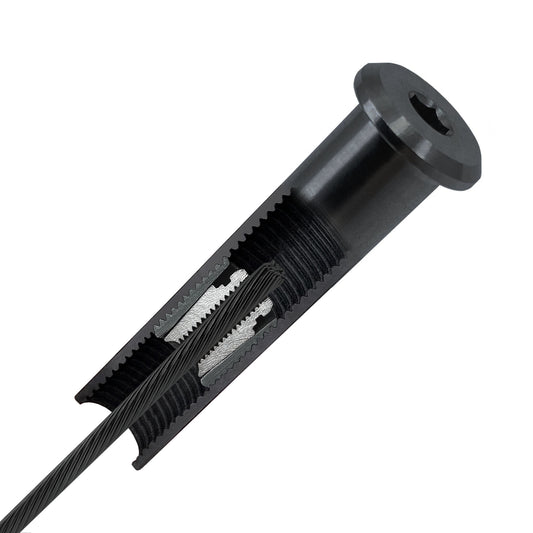
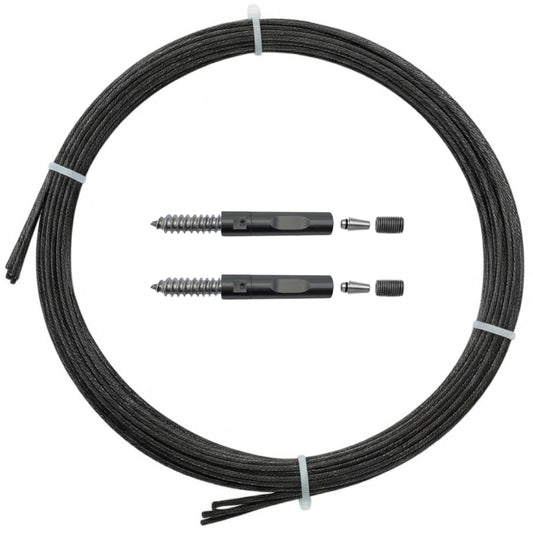
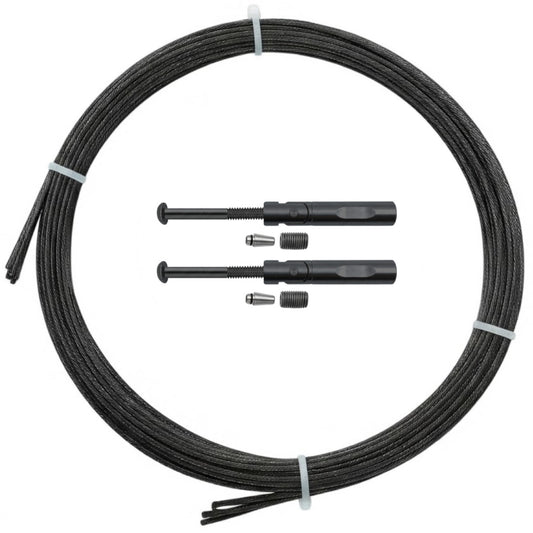
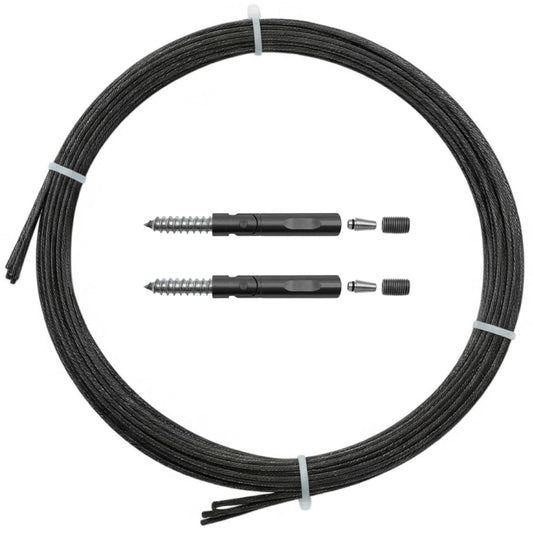
Whether you choose to mount your posts on the fascia or the deck, Keuka Cable makes the rest of the installation simple. Our swageless fittings allow you to connect and tension your cables by hand without specialized crimping tools.
Explore Our Post Styles to see how the Ithaca and Keuka styles look in both fascia and surface configurations, and start planning your view today.