Furniture Freedom: How Invisible Railings Change Deck Layouts
Traditional deck design often feels like a game of compromise. You want to enjoy the view, but bulky wood balusters or thick vinyl pickets force you to arrange your furniture in a way that looks inward rather than outward. For years, the standard rule was simple and restrictive: place your sofa facing the railing so you can actually see the landscape. This old habit limits your creativity and wastes valuable square footage.
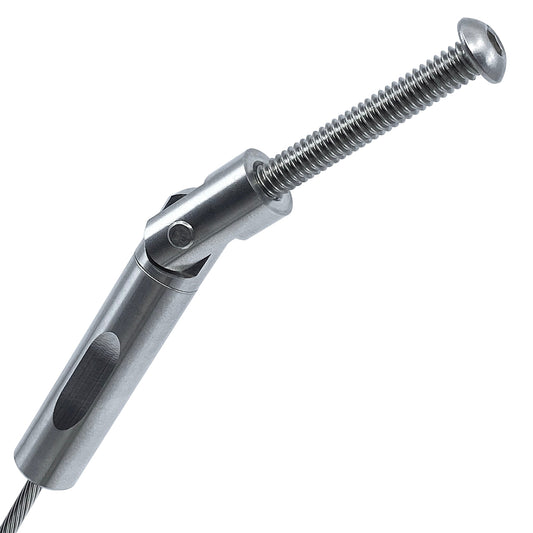
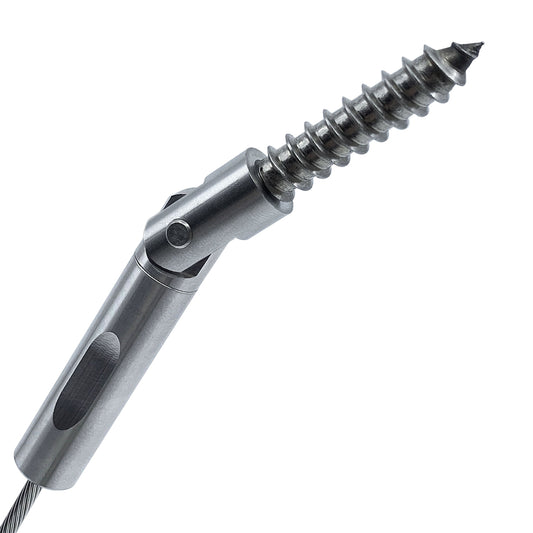
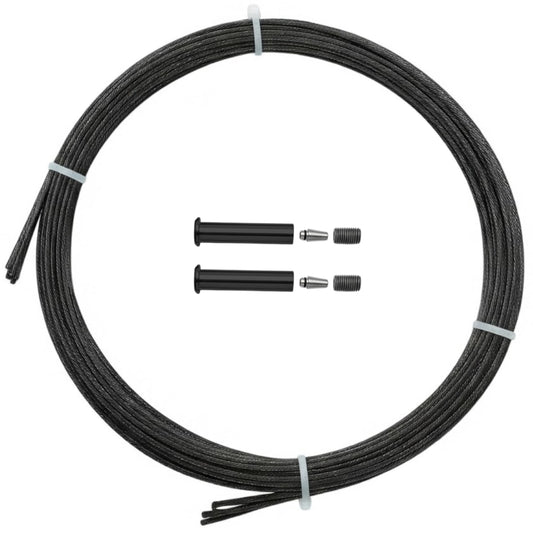
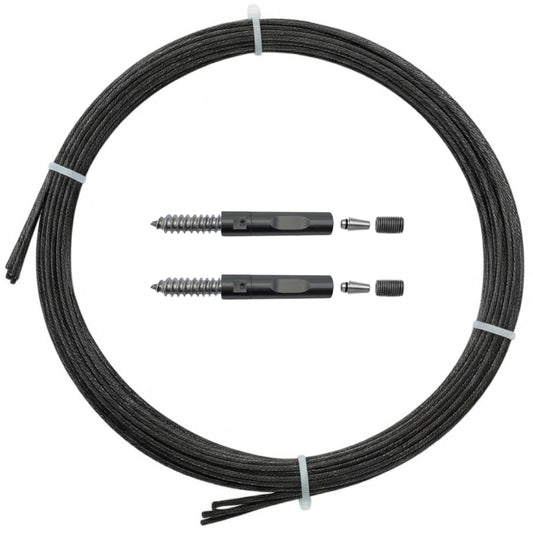
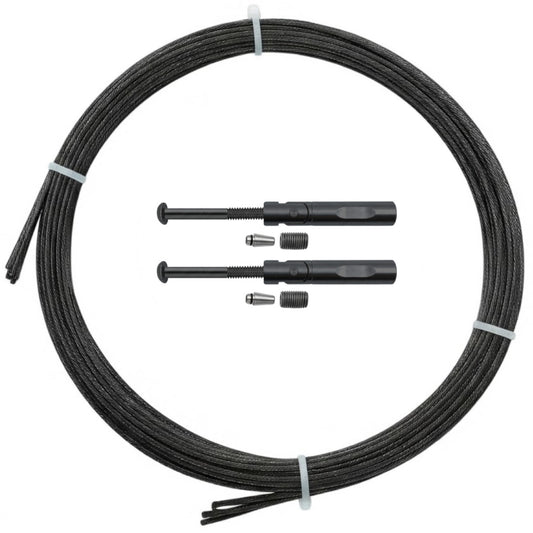
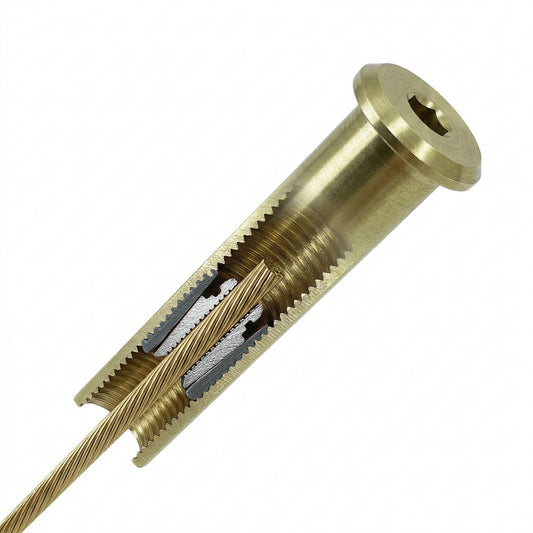
Modern cable railing systems have shattered these design limitations. By replacing thick vertical slats with thin stainless steel cables, you gain a transparent barrier that opens up entirely new layout possibilities. This "invisible" infrastructure allows you to rethink how you use your outdoor space, giving you the freedom to place furniture where it makes the most sense for conversation and flow, not just for visibility.

The Back to Rail Layout Revolution
In a standard deck setup with wood railings, placing a sofa with its back to the perimeter is a design error. The solid barrier creates a visual wall that boxes you in, making the deck feel smaller and cutting off the connection to the yard or water beyond. To see the view, you have to turn your furniture inward, which often clogs the center of the deck and blocks traffic flow.
Cable railing changes this dynamic completely. Because the cables are virtually invisible from a distance, you can push your sofa or sectional right up against the edge of the deck. When you sit down, the view remains unobstructed over your shoulder and through the cables. This "Back to Rail" approach clears the center of the deck for foot traffic, playing games, or adding a secondary seating area. It effectively turns the railing into a transparent wall that supports the room rather than confining it.

Why Low Profile Furniture Needs Cable Rail
Interior design trends have moved outdoors, and the most popular aesthetic right now is "low slung" or Italian style lounge furniture. These pieces feature deep seats, low backs, and a profile that sits closer to the ground than traditional patio chairs. While this style looks sleek and modern, it creates a major problem when paired with traditional railings.
Standard deck railings are usually 36 to 42 inches high. A modern low profile sofa might have a seat height of only 12 to 15 inches. If you use a wood picket railing, sitting on that low sofa means your eye level is directly in line with the solid wood slats. You are no longer looking at the sunset; you are staring at a wooden fence.
Cable railing is the only practical solution for this furniture style. The thin cables disappear from your line of sight, allowing you to sink deep into a modern lounge chair and still enjoy a panoramic view. It ensures that your high end furniture investment enhances your experience rather than highlighting the limitations of your architecture.

Optimizing a 10x10 Small Deck
Small decks benefit the most from this visual freedom. On a compact 10x10 platform, every inch counts, and visual boundaries can make the space feel claustrophobic. Traditional railings create a hard "box" effect that defines the tight limits of the space.
With cable railings, the visual boundary extends past the deck edge to the horizon. Here is how you can maximize a small 10x10 square using the visibility of cable rail:
The Perimeter Lounge
Place a compact L shaped sectional tucked tight into the corner of the railing. With wood pickets, this would feel like sitting in a cage. With cable rail, it feels like a floating balcony. This layout maximizes the open floor space in the center for a coffee table or a fire pit.
The Invisible Corner Bistro
For dining, push a small bistro table right into the corner where two railing sides meet. Traditional rails would block the light and view, making this corner feel dark and cramped. Cable rails let light flood in and allow you to dine "on the edge" of the view, making the deck feel twice as large as it actually is.
The Sunbathing Edge
If you prefer chaise loungers for sunbathing, you can position them parallel to the railing. Because the cables do not cast heavy shadows like wide wood balusters, you get consistent sunlight all day long. You can lie flat and still see through the rails to keep an eye on kids playing in the yard below.
Design Without Limits
The true value of cable railing is not just the modern look; it is the functional freedom it grants you. You no longer have to design your life around the obstacles of your architecture. Whether you have a sprawling veranda or a cozy city balcony, removing visual barriers allows your furniture layout to serve your lifestyle first. You can focus on conversation, flow, and comfort, knowing the view will always be part of the experience.