High-Wind Zones: Why Cable Railing is Safer for Hurricane Areas
When you are building a deck in a coastal region or a high-wind corridor, your priorities shift. It’s not just about the view anymore; it’s about minimizing potential storm damage.
Homeowners in hurricane-prone areas often face a difficult choice. You want to maximize your oceanfront view with glass, but you worry about what happens when the wind creates significant pressure, which could shatter the glass.
This is where cable railing shines. Beyond its sleek look, cable railing offers a distinct structural advantage in high-wind zones: it refuses to fight the wind.

The "Sail Effect": The Hidden Danger of Solid Railings
To understand why cable is safer, you have to understand the Sail Effect.
Imagine holding a large sheet of plywood against a 50-mph wind. You would struggle to stay standing. Now, imagine holding a tennis racket in that same wind. The wind passes right through.
- Glass and Solid Panels: Even tempered glass railing systems act like a sail. When gale-force winds hit a solid surface, they create massive lateral load (pressure) on your railing posts and your entire deck frame. If the wind can’t go through the railing, it tries to push the railing over.
- Cable Railing: Cable railing is the "tennis racket." It is approximately 98% open. It allows high-velocity air to pass through with almost zero resistance.
By eliminating the Sail Effect, you significantly reduce the structural stress on your deck during a storm, protecting your investment when it matters most.

3 Reasons Cable Outperforms Glass in Storm Zones
1. No Shatter Risk from Debris
In a hurricane or tropical storm, wind isn’t the only enemy—flying debris is. A tree branch or piece of patio furniture hitting a glass balustrade can result in expensive, dangerous shattering.
Stainless steel cable is incredibly resilient. It absorbs impact without cracking, breaking, or spraying dangerous shards across your deck.
2. Corrosion Resistance Where it Counts
High winds usually mean coastal salt spray. If you choose a cable system, the grade of stainless steel matters.
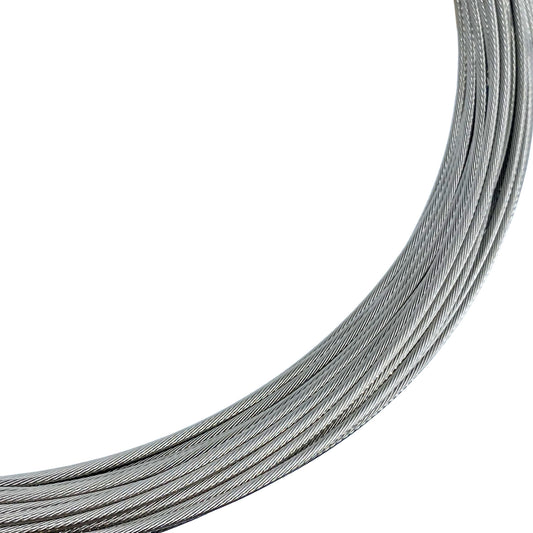
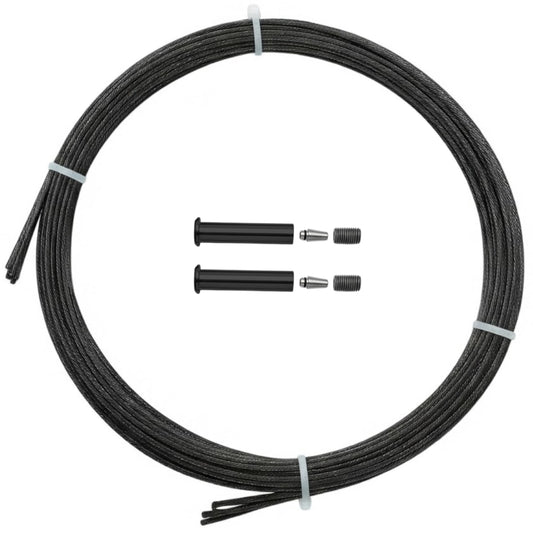
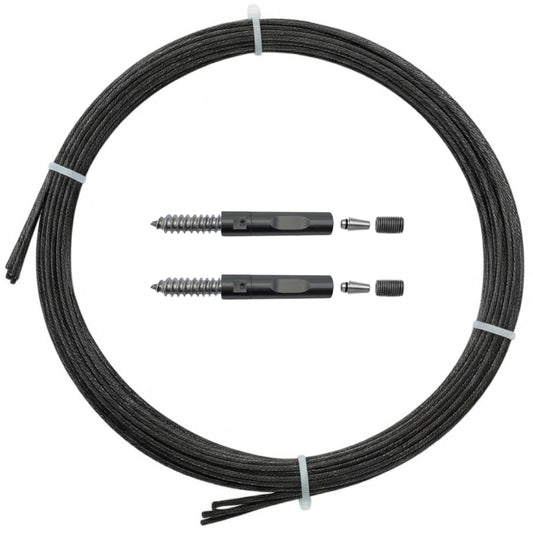
At Keuka Cable, we use 316 Marine-Grade Stainless Steel. This alloy contains molybdenum, which drastically increases corrosion resistance against chlorides (salt). While lower-grade "304 stainless" will rust and pit after a few storms, marine-grade stainless steel offers better rust resistance, as long as you follow soem basic maintenance like occasional freshwater rinsing and periodically applying stainless protectant.
3. Cooling Airflow on Calm Days
The benefits aren't limited to severe weather. The same "porous" design that protects you during a hurricane keeps you cool during a heatwave. Glass railings can trap heat, creating a greenhouse effect on your deck. Cable railing allows the ocean breeze to circulate freely, keeping your outdoor living space comfortable year-round.

Post-Storm Maintenance? It’s Simple.
After a major storm event, wooden decks can shift or swell due to driving rain and pressure changes. This might leave some railing lines slightly loose.
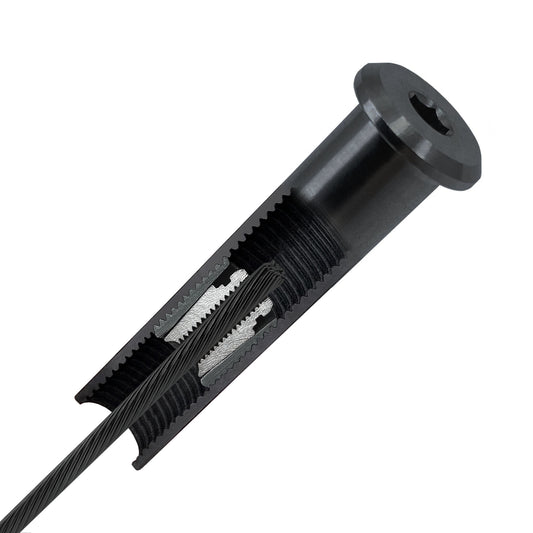
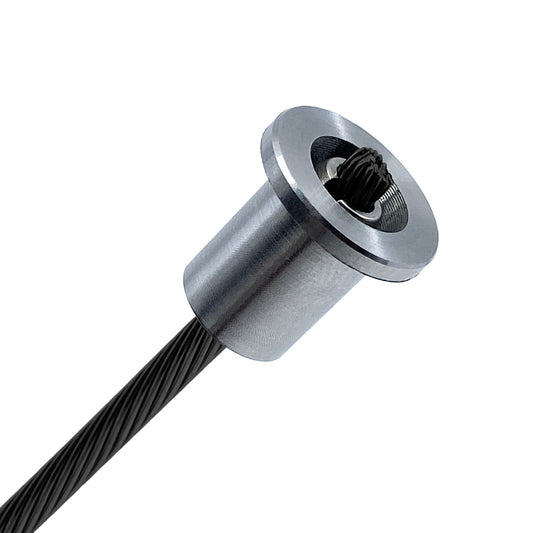
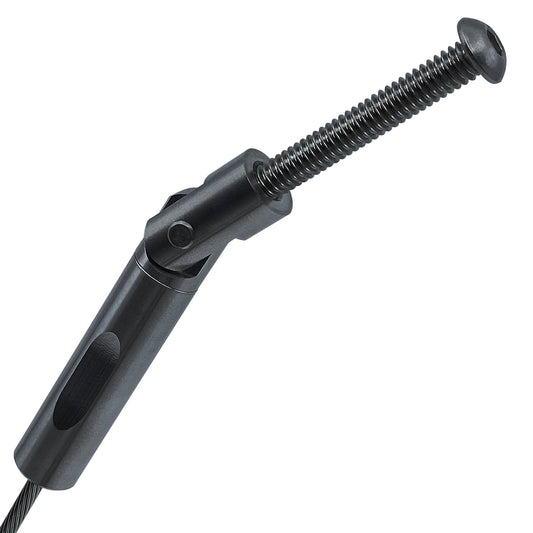
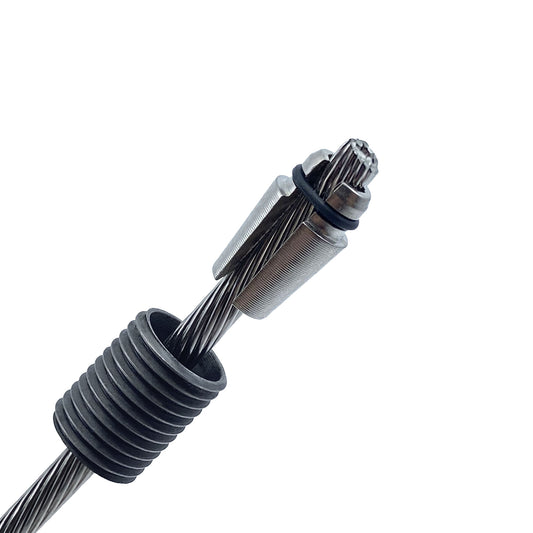
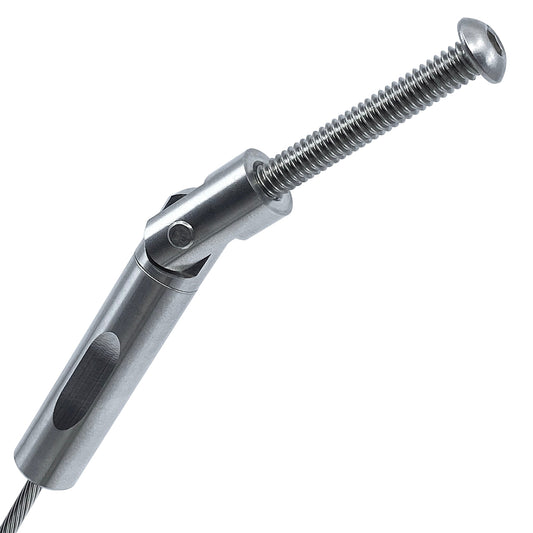
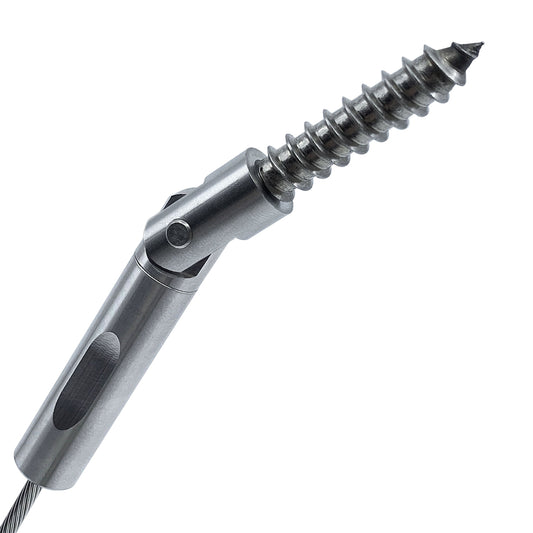
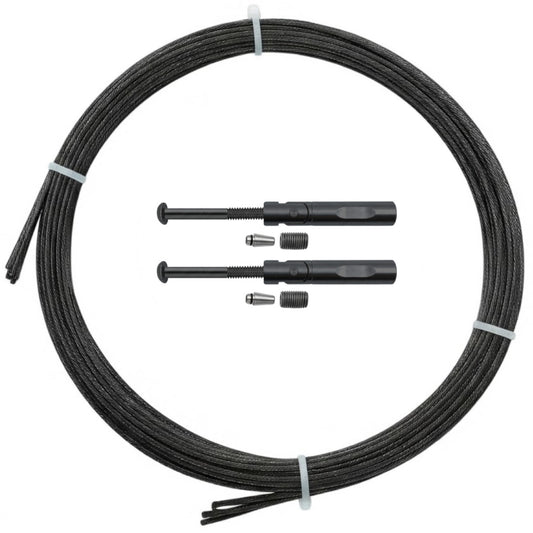
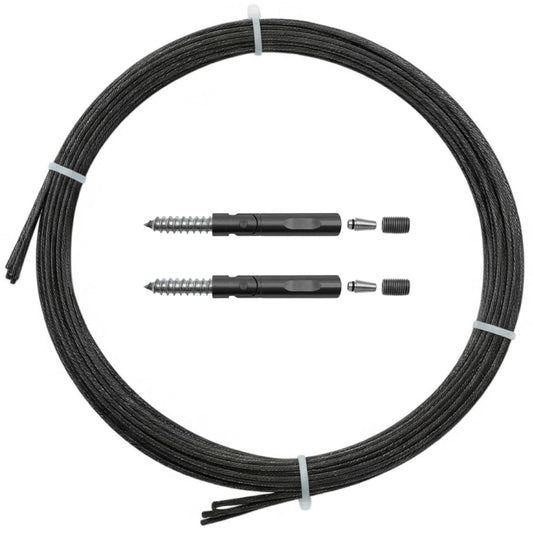
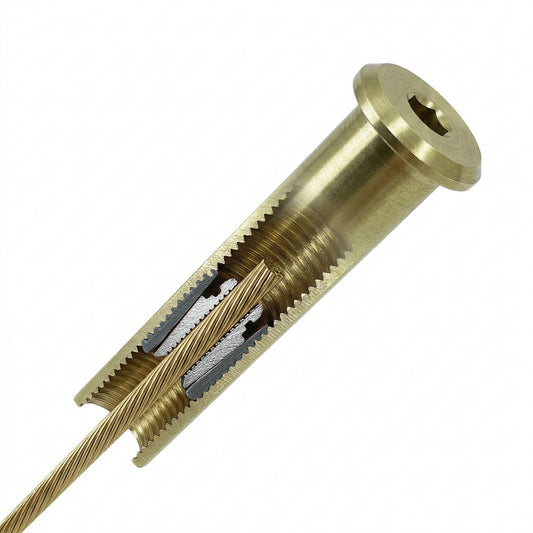
With Keuka Cable’s swageless fittings, you don’t need to call a contractor to fix it. A simple turn of an Allen wrench can re-tension your lines in seconds, getting your deck back in ship shape before the sun even comes out.
Build for the view. Design for the wind.
Don't let the fear of storms dictate your design. Choose the system that works with the elements, not against them.
Planning a project in a high-wind zone? Shop our Marine-Grade Cable Hardware or contact us for specs.