Historic Charm, Modern Edge: Integrating Cable Rail on Victorian & Colonial Porches
Share
For owners of Victorian, Colonial, or Craftsman homes, the decision to upgrade a porch railing is often fraught with hesitation. The fear is real: Will a modern cable railing system clash with my home’s historic character?
It is a valid concern. You don’t want your lovingly restored painted lady to look like a spaceship landed on the front lawn. But here is the secret that architects and designers are using to bridge the gap: Transitional Porch Design.
By blending period-correct materials with the invisibility of modern cable, you can actually enhance your home’s historic charm rather than detract from it. Cable railing doesn’t have to look "too modern"; it just needs to be designed to disappear.
Here is how to integrate cable rail into historic renovations without losing that old-world soul.
Material Matching: The "Chunky Post" Strategy
The biggest mistake homeowners make is using an all-metal, skinny-post system on a historic home. That is what creates the "industrial" look that feels out of place.
To keep the historic weight and grandeur of a Colonial or Victorian porch, you must anchor the design with wood.
- Go Big on Posts: Skip the slender 2x2 metal posts. Instead, install substantial 6x6 or 8x8 wood posts. These mimic the visual weight of original columns and maintain the rhythm of a traditional porch.
-
Period-Correct Caps: Top your wood posts with decorative caps that match your home's era.
- Colonial: Opt for a classic "Highland" or "Pyramid" cap with a slight bevel.
- Victorian: Look for "Ball Finial" or "Acorn" caps that echo the ornate trim found on roof peaks and gables.
- The Infill Illusion: When you run stainless steel cable between these thick, traditional wood posts, the eye naturally focuses on the wood. The thin cables virtually vanish, leaving you with the look of a historic railing but the view of a modern one.
Color Theory: Matte Black vs. Stainless Steel
When choosing your mounting hardware and cable fixtures, color choice is the difference between "sticking out" and "blending in."
Why Matte Black Wins on Historic Homes
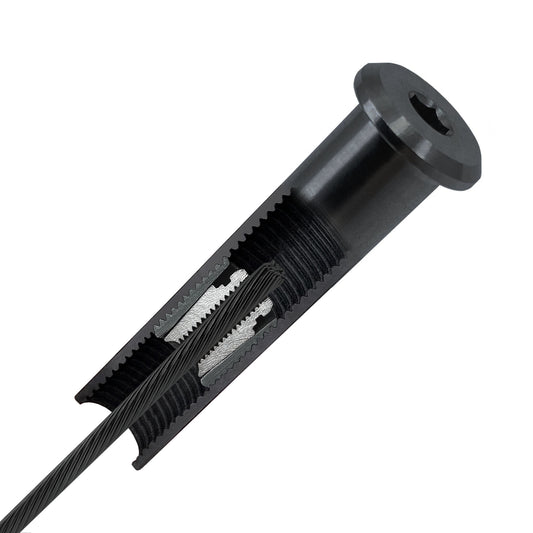
While stainless steel is the default for coastal homes, matte black hardware is often the superior choice for historic properties, particularly those with brick facades or Victorian color palettes.
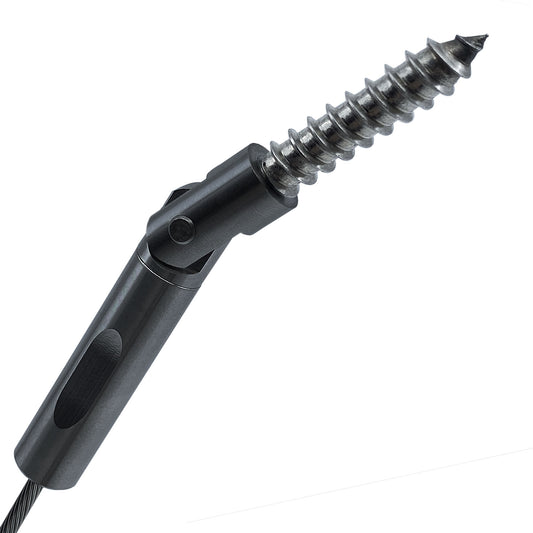
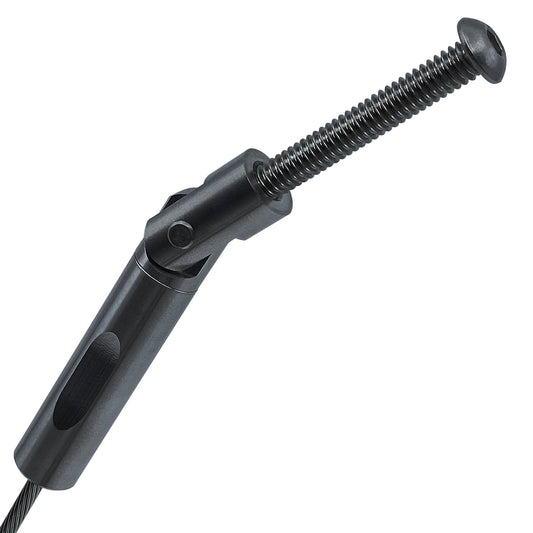
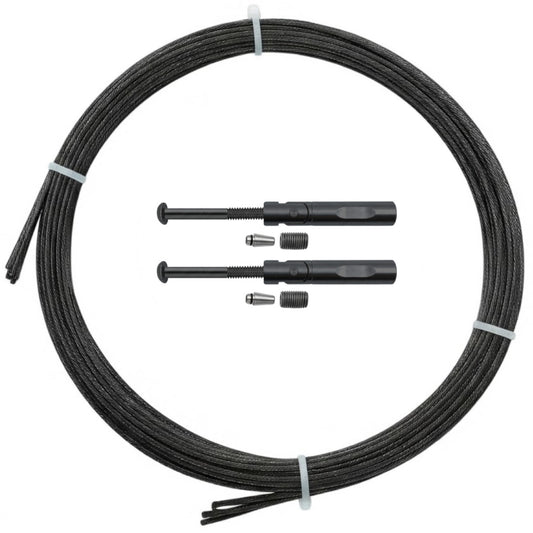
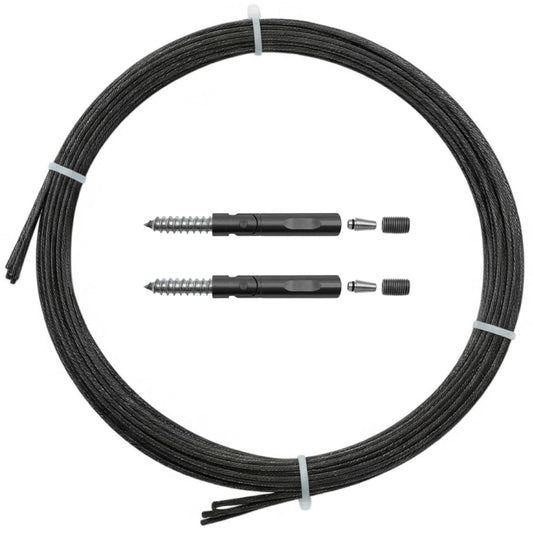
- The "Wrought Iron" Effect: Historically, metalwork on homes was wrought iron. Matte black hardware mimics this classic material, making the cable system feel like a 21st-century evolution of traditional iron fencing.
- Visual Harmony: If your home features dark window sashes, black shutters, or red brick, black hardware creates a cohesive "frame" that ties the porch to the rest of the architecture.
When to Use Stainless
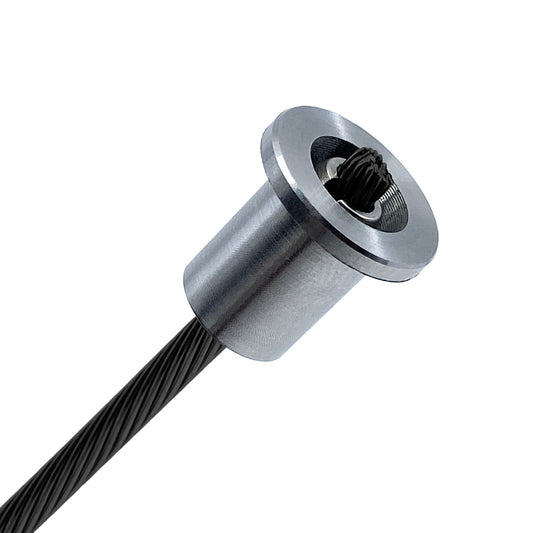
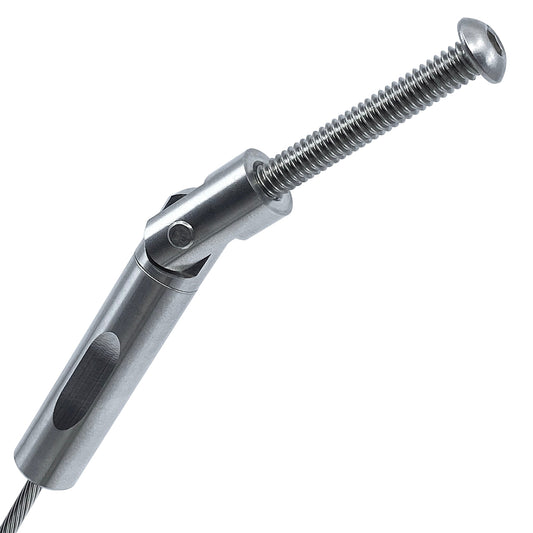
Stick to raw stainless steel hardware if your home is a shingle-style coastal cottage or if you have white columns and grey decking. In these cases, the silver tone reflects the sky and water, helping the railing disappear against a lighter background.
Case Studies: Transitional Design in Action
1. The Urban Brick Revival
The Challenge: A row house with a stunning red brick façade needed a deck update. The owners worried that wood balusters would block the light into their lower-level windows, but they feared metal would look too commercial.
The Solution: They installed dark-stained cedar posts to match the warmth of the brick. They utilized black cable fittings mounted on the inside of the posts.
The Result: From the street, the black hardware receded into the shadows of the porch, making the cables invisible. The heavy timber posts maintained the neighborhood's historic integrity, while the open cabling flooded the interior with natural light.
2. The Painted Lady “View” Restoration
The Challenge: A Queen Anne Victorian featured a wraparound porch with intricate gingerbread trim, but the heavy turned-spindle railing completely obscured the garden view when seated.
The Solution: The owners kept the original roof-supporting columns but replaced the rotting railing sections with a white-painted wood top rail and bottom rail. Between these traditional white rails, they ran horizontal cable.
The Result: The "frame" remained white and traditional, preserving the Victorian aesthetic. However, the visual "noise" of the spindles was removed. The homeowners can now sit in their wicker chairs and see their award-winning hydrangeas clearly for the first time in decades.
The Verdict: Don’t Fear the Cable
History isn’t about freezing a home in time; it is about adapting it to how we live today. Cable railing offers a unique paradox: it is a modern material that allows historic features to shine brighter.
By removing the visual clutter of 50 wooden spindles, you aren’t making your home look modern. You are opening up the view to the history you fell in love with in the first place.