Industrial Rust or Polished Chic? Matching Cable to Brick and Concrete
Urban lofts and converted warehouses offer a unique canvas for interior design. The architecture often features raw elements like exposed masonry, weathered concrete, and heavy timber. When introducing a railing system into these spaces, the goal is finding the right balance between the existing grit and new additions. This brings us to a central design choice: do you lean into the rugged history with an "Industrial Rust" aesthetic or contrast it with a "Polished Chic" finish?
Keuka Cable railing systems provide the versatility to anchor either approach. The interplay between sleek cabling and rough architectural shells creates a dynamic visual tension that defines modern loft living.

The Power of Texture Contrast
The most compelling aspect of installing cable railing in a loft is the tactile difference between materials. Exposed brick is inherently warm, porous, and irregular. Concrete floors or pillars are cool, solid, and matte. Placing stainless steel cable infill against these surfaces creates a striking juxtaposition that highlights the best qualities of each material.
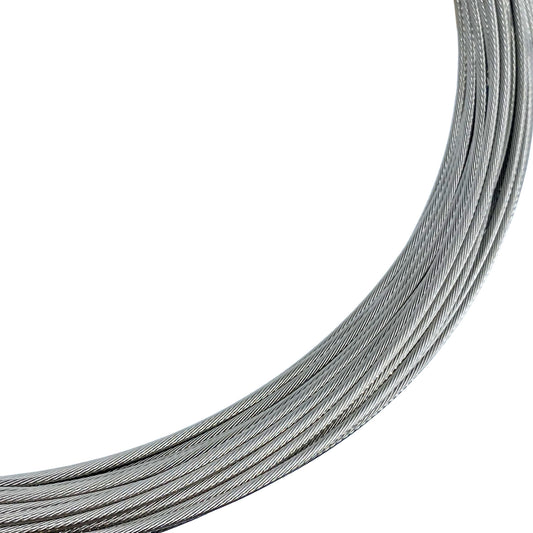
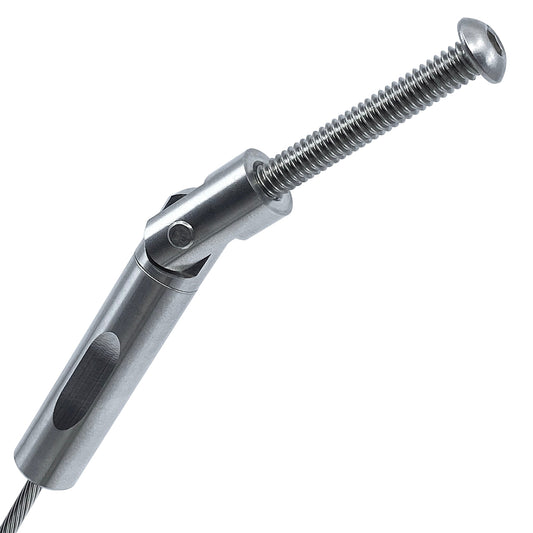
A Polished Chic approach uses the smooth and reflective surface of the steel to brighten the room. The glint of the cable lines cuts through the visual weight of a brick wall, preventing the space from feeling too heavy or enclosed. This is particularly effective in areas with lower ceilings or limited natural light. The clean lines of the cable hardware act as a modern frame that turns a rough masonry wall into a curated art piece rather than just an old structural element.
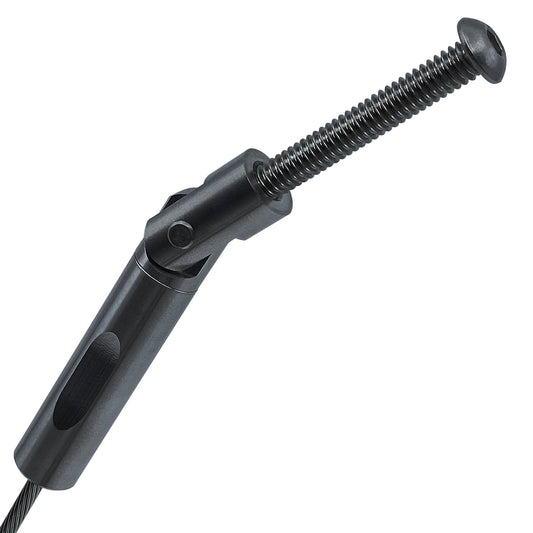
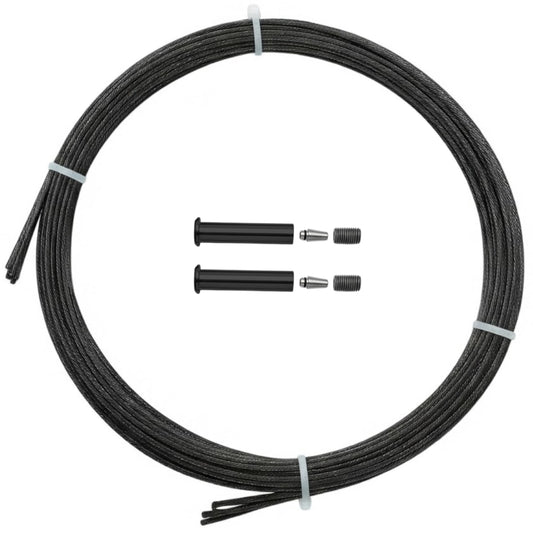
For those preferring an Industrial Rust vibe, the focus shifts to harmony rather than contrast. You might select posts with a darker powder-coated finish or a matte black look that mimics the heavy ironwork of original factory windows. Here, the steel cables serve as a subtle functional thread that disappears into the background, allowing the aged brick and mortar to remain the undisputed focal point of the room.

Designing a Conduit Aesthetic
One of the defining features of warehouse conversions is the visibility of building systems. HVAC ducting, water pipes, and electrical conduit are often left exposed to celebrate the functional history of the building. A well designed cable railing system fits perfectly into this mechanical landscape.
Cable railing mimics the linear and parallel visual language of electrical conduit. When you run horizontal cables along a staircase or mezzanine, they echo the horizontal runs of galvanised pipes on the ceiling or walls. This creates a sense of cohesive design where the railing feels like an integral part of the building infrastructure rather than a decorative afterthought.
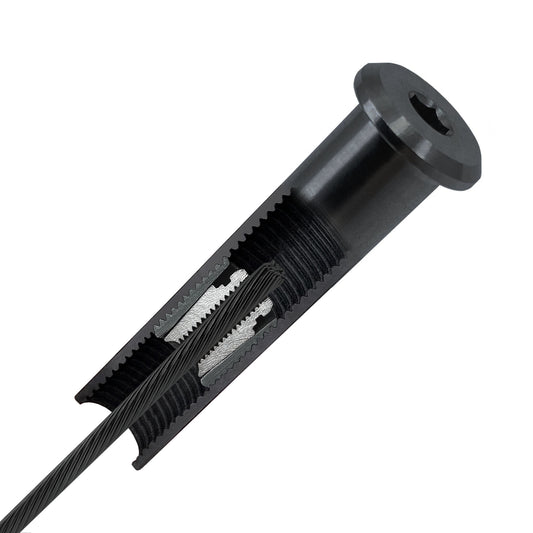
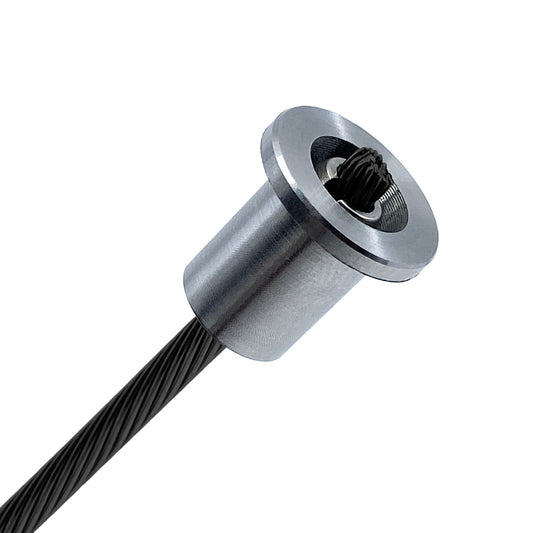
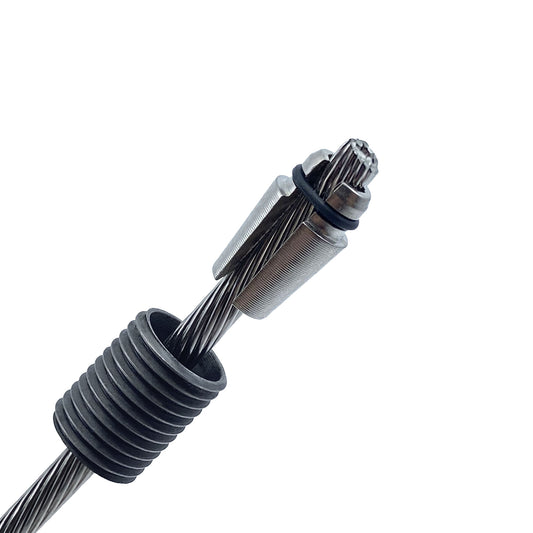
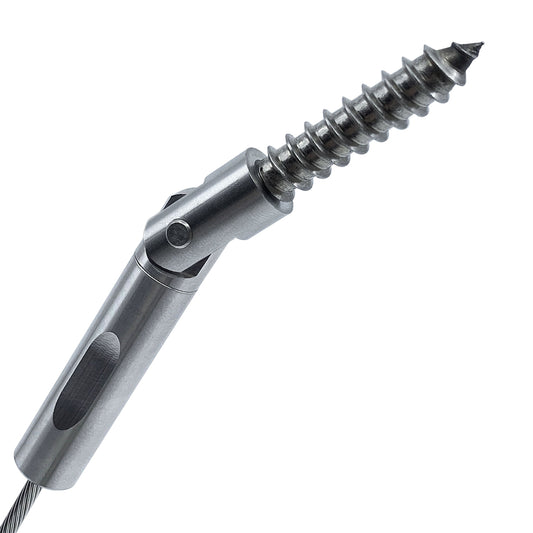
To achieve this look, consider the profile of the railing posts. A square or flat bar post often complements the boxy shape of air ducts, while round posts can reference water pipes and round electrical conduit. The hardware itself becomes a design element. The tensioners and terminals used in Keuka Cable systems possess a machined precision that rivals high-quality industrial equipment. By leaving these mechanical connections visible, you reinforce the honest and functionalist ethos of the industrial loft style.
Visual Considerations for Mounting on Masonry
Attaching metal railing to uneven surfaces like brick or concrete requires careful attention to the visual connection. The point where the sleek metal post meets the rough wall is a critical detail that can make or break the aesthetic.
In a Polished Chic application, the goal is a seamless transition. The use of cover plates or escutcheons can hide the mounting hardware, creating the illusion that the metal post emerges cleanly from the stone or concrete. This looks particularly crisp against smooth poured concrete walls where the gap between materials is minimal.

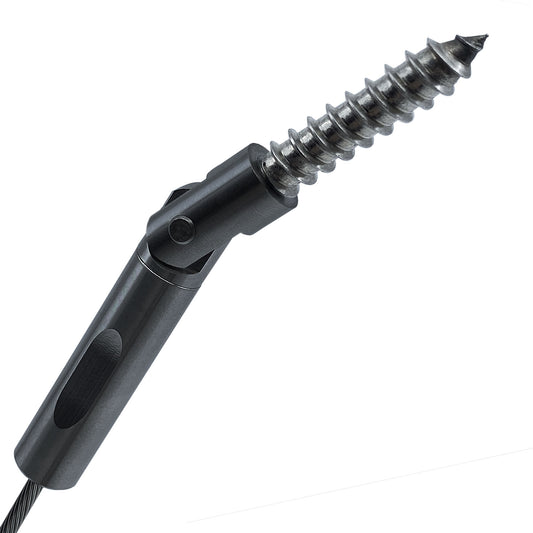
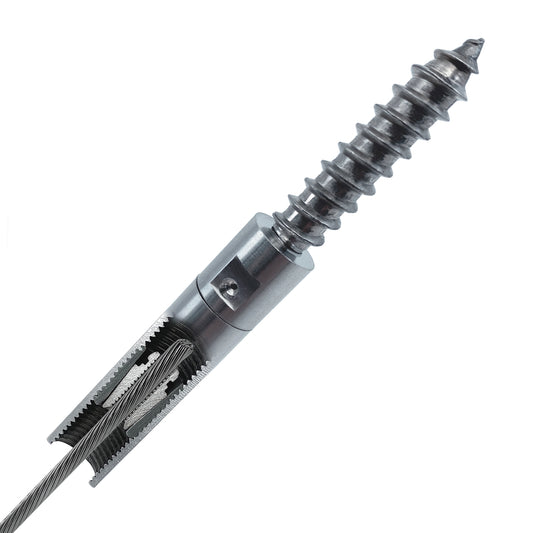
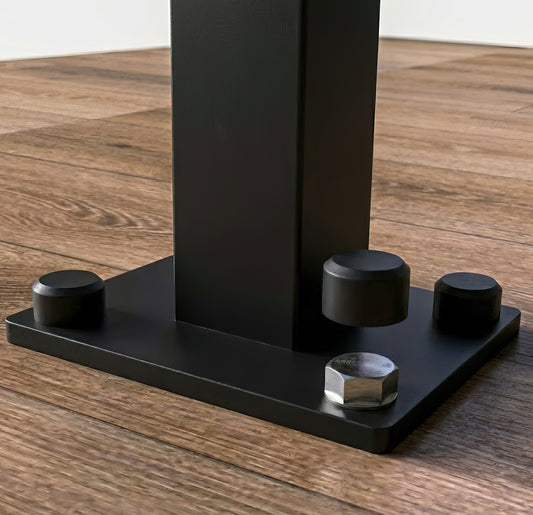
For the Industrial Rust aesthetic, seeing the connection is part of the appeal. Exposed anchor bolts or heavy duty fasteners can enhance the rugged look. However, the challenge lies in the irregularity of old brick. A surface mounted post must sit flush to ensure stability and a clean vertical line. Visually, this often means placing posts intentionally to align with the mortar joints or using a fascia mount system that bypasses the uneven floor surface entirely.
Fascia mounting is an excellent strategy for brick interiors. By attaching the posts to the side of the floor structure or rim joist, you avoid drilling directly into potentially fragile vintage floor tiles or crumbling concrete edges. This also creates a floating effect where the railing system hovers slightly apart from the rough masonry, emphasizing the distinction between the old structure and the new modern intervention.

Balancing the Old and New
Whether you choose to highlight the contrast with Polished Chic elements or blend in with Industrial Rust tones, the success of the design relies on quality materials. The crisp precision of Keuka Cable hardware ensures that even in the grittiest converted warehouse, the railing remains a touch of refined elegance. By respecting the existing textures and aligning your design with the mechanical soul of the building, you create a space that honors the past while embracing modern living.