Japandi & Scandi-Industrial: Mastering the Wood-to-Metal Ratio
Modern" design is no longer a specific enough term for today’s sophisticated homeowner. We are seeing a decisive shift away from cold, sterile minimalism toward styles that embrace warmth, texture, and intention. Two specific trends are dominating this shift: Japandi (a hybrid of Japanese rustic minimalism and Scandinavian functionality) and Scandi-Industrial (a blend of raw industrial elements with Nordic hygge).
While these styles differ slightly in origin, they share a common challenge: mastering the balance between organic warmth and architectural structure. This is the art of the wood-to-metal ratio, and it is the key to executing these booming design trends perfectly.

The Golden Ratio of Design
Achieving the perfect Japandi or Scandi-Industrial look requires more than just buying wood furniture and metal accents. It requires a calculated balance—a "golden ratio" of materials that prevents a space from feeling too rustic like a cabin or too cold like a factory.
For a balanced Scandi-industrial interior design, aim for a 60/40 split. Let warm, natural textures dominate 60% of the visual space while allowing 40% to be defined by sleek, industrial metals.
- The Wood: Focus on light, matte-finished species. White Oak is the premier choice for interiors due to its neutral undertaking and tight grain. For exterior Japandi deck railing projects, Western Red Cedar or distinctively stained Cypress provides that essential organic warmth without the heavy, dark tones of traditional mahogany.
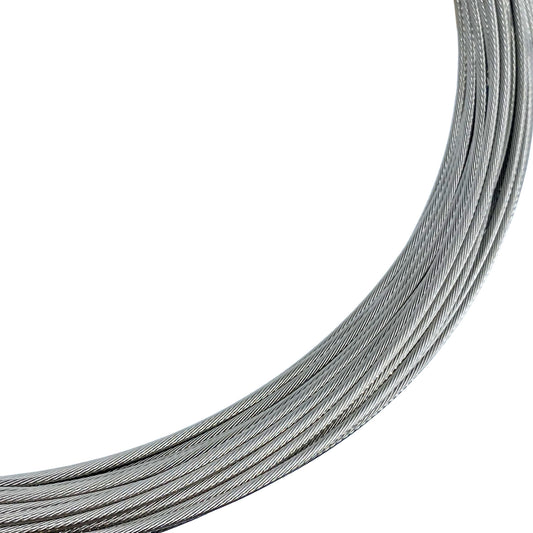
- The Metal: This is where stainless steel cable railing becomes the hero element. unlike chunky iron or opaque glass, stainless steel cable offers the requisite industrial edge without visual weight. It provides the "cool" counterpoint to the wood’s "warmth" without overpowering it.

Japandi Deck Railing: A Biophilic Approach
Japandi style is deeply rooted in biophilic design, which is the concept of connecting our living spaces directly with nature. A Japandi deck railing should never act as a barrier between you and the outdoors. It should frame the view, not block it.
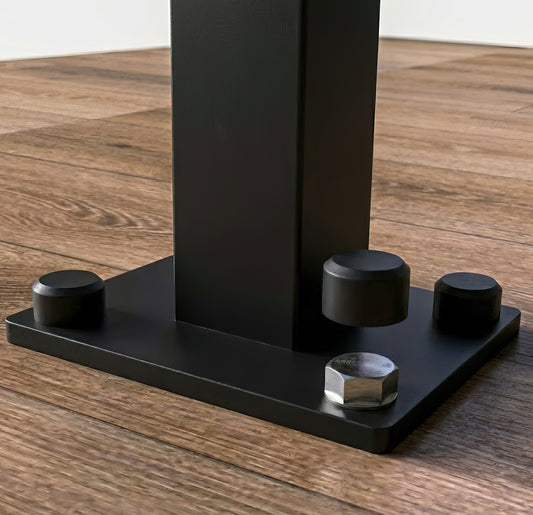
This is why traditional wood balusters often fail in Japandi designs. They create a "cage" effect that severs the visual connection to the garden or landscape. By utilizing a wood top rail (to match your decking) combined with slender stainless steel posts and cable infill, you maintain the organic touchable surface while the structure itself virtually disappears.

Scandi-Industrial Interior Design & The Open Plan
Inside the home, the Scandi-Industrial trend is redefining how we divide space. The open-concept floor plan remains popular, but homeowners now crave distinct "zones" for work, rest, and play.
This is particularly relevant for sunken living rooms, which are seeing a major resurgence. A safety railing is required, but a solid half-wall destroys the flow of light and conversation. A cable railing system acts as a permeable divider. It marks the boundary of the sunken area, satisfying safety codes, but allows light to spill freely from windows into the deeper parts of the room.
In a Scandi-Industrial setting, the cable railing serves as a functional sculpture. The glint of the stainless steel cables against a matte wood floor adds that necessary industrial grit, preventing the space from feeling too soft or sleepy.

The Minimalist Connection: Why Swageless Matters
Both Japandi and Scandi-Industrial philosophies preach the removal of clutter. In design terms, "clutter" includes visible screws, bulky fasteners, and industrial crimps.
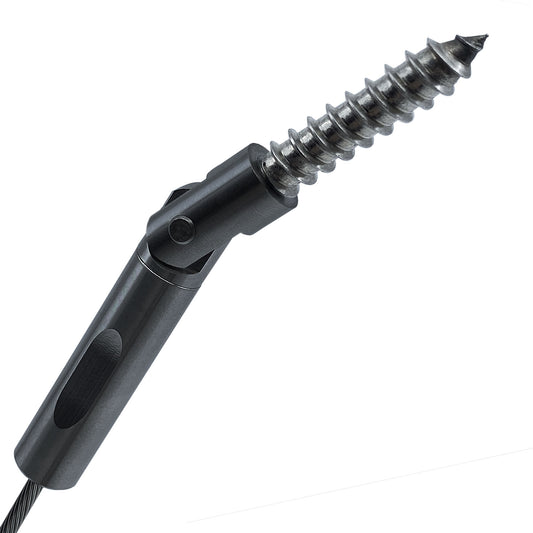
Most standard cable railing systems rely on "swaged" fittings, which are large, machine-crimped ends that look heavy and manufactured. This visual noise disrupts the calming, clean lines essential to these design styles.
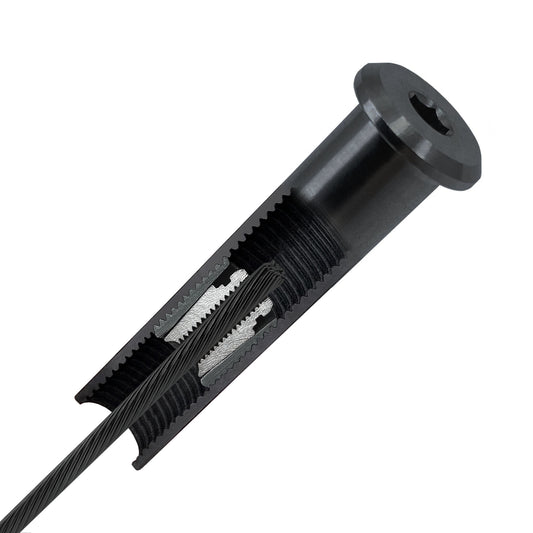
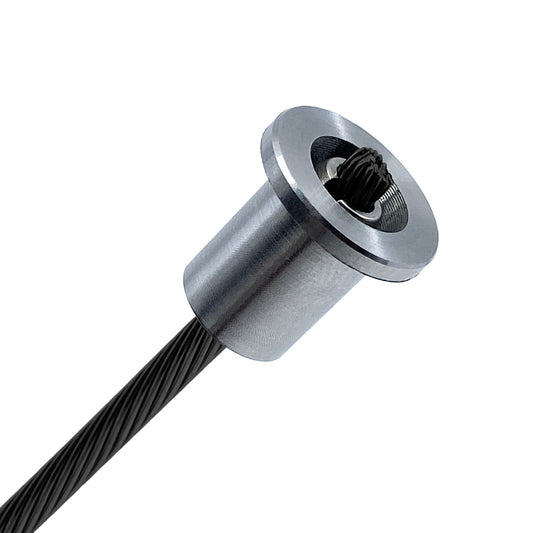
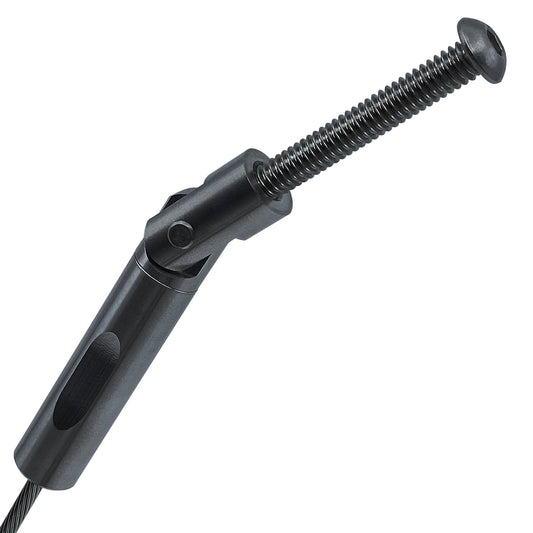
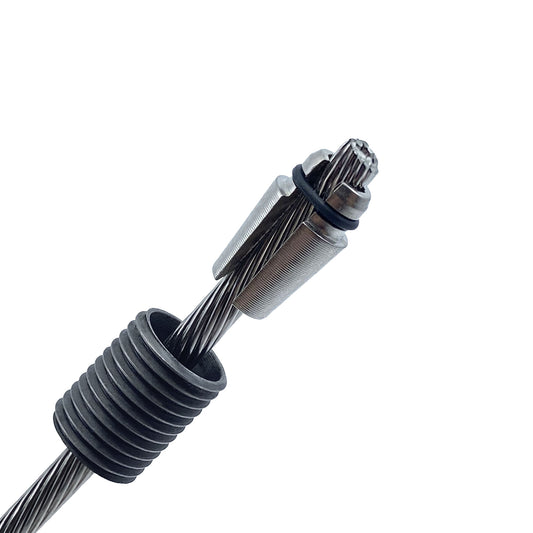
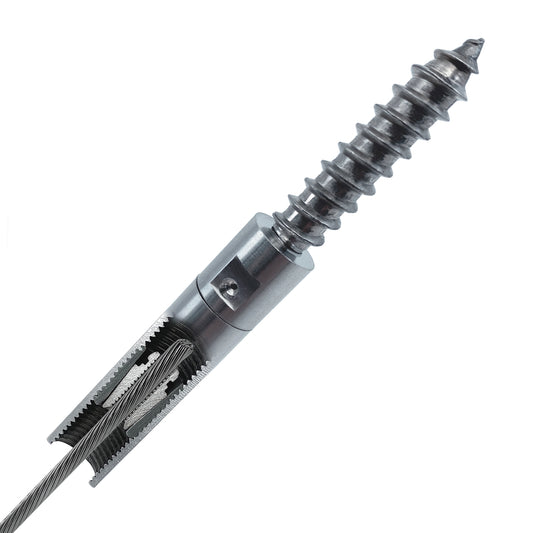
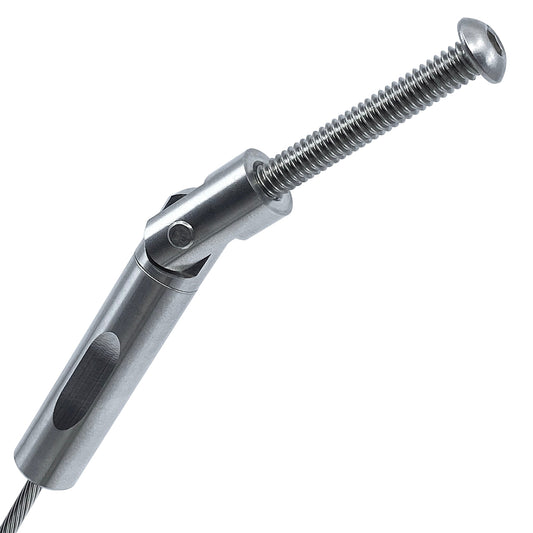
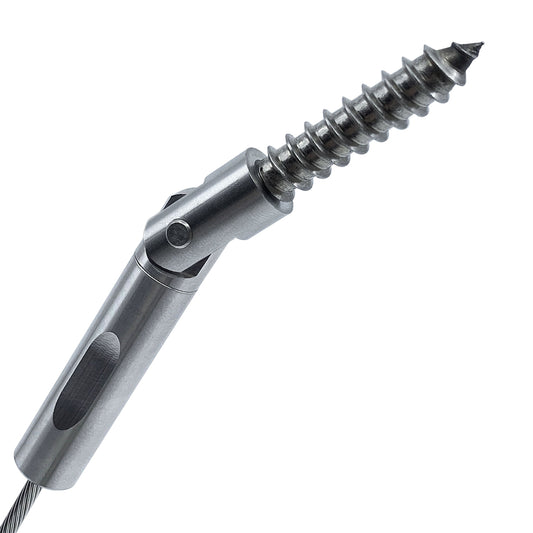
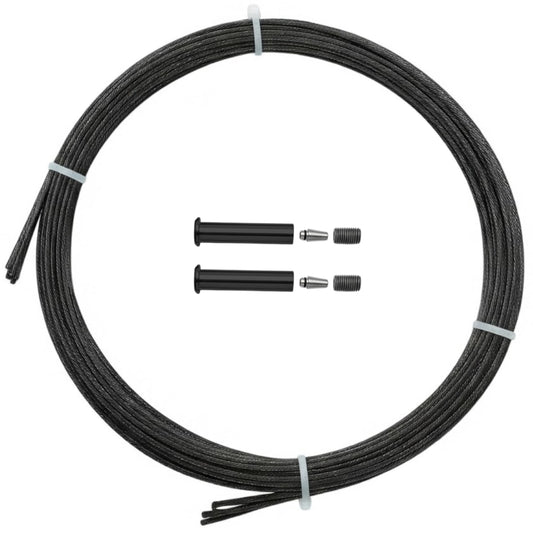
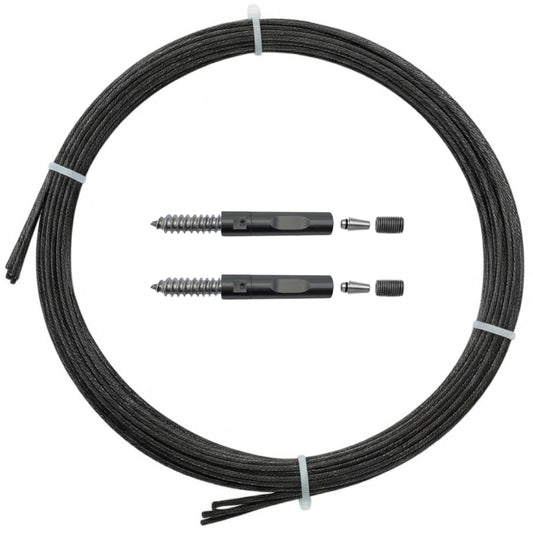
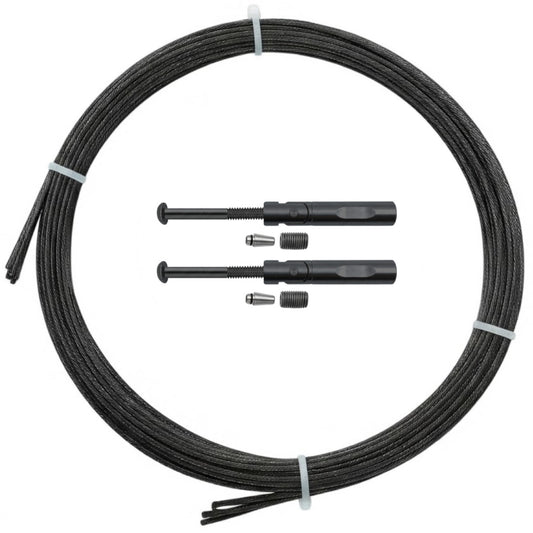
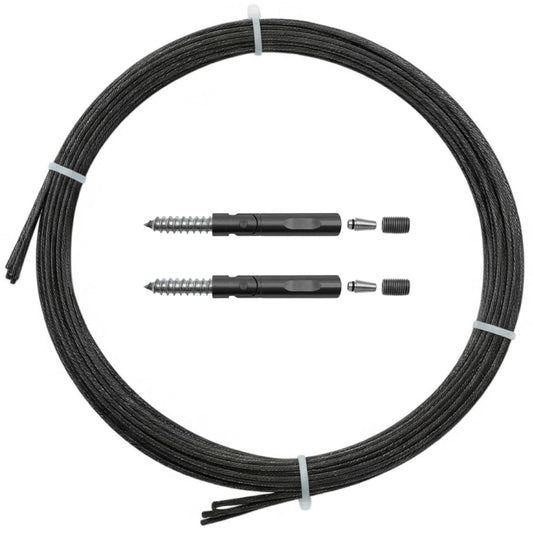
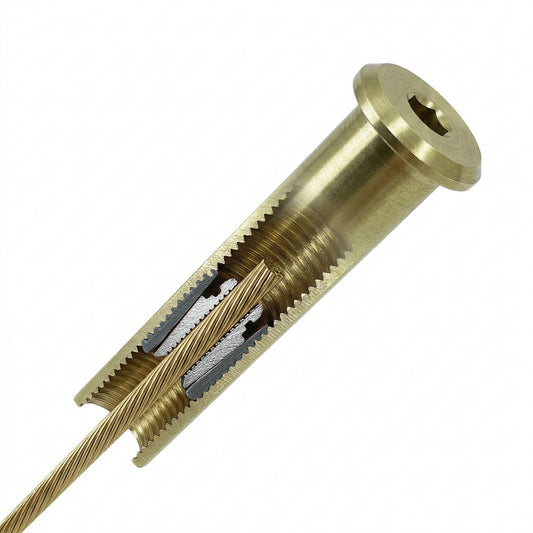
The solution is the "swageless" hidden fitting. This is the only hardware choice that truly aligns with a minimalist philosophy. Keuka Cable’s swageless fittings are designed to be hidden inside the post, leaving only the clean line of the cable visible.
- Clutter-Free: No turnbuckles or crimps are visible to the eye.
- Clean Connection: The cable appears to float directly into the wood or metal post.
- Future-Proof: Unlike permanent crimps, swageless fittings can be re-tensioned or adjusted with simple hand tools, ensuring your railing maintains its crisp, linear look for decades.
By choosing hardware that disappears, you allow the materials—the grain of the White Oak and the sheen of the stainless steel—to speak for themselves. This is the secret to mastering the wood-to-metal ratio: letting the quality of the elements shine through by removing everything else.