Mastering Indoor-Outdoor Flow: Transforming Your 3-Season Porch with Cable Railing
Modern architecture is no longer about keeping the elements out; it is about inviting the view in. Homeowners are increasingly moving away from compartmentalized layouts in favor of the "Four-Season" concept—a design philosophy where the boundary between the climate-controlled living room and the natural world dissolves.
The key to achieving this coveted indoor outdoor flow isn't just about large sliding glass doors or matching furniture; it’s about removing the visual interruptions that stop the eye. This is where the choice of a 3 season porch railing becomes the most critical design element in your renovation or new build.
Here is how Keuka Cable railing acts as the invisible bridge, extending your living lines from the kitchen island all the way to the tree line.

1. Visual Continuity: Erasing the Boundary
The most effective trick designers use to make a home feel expansive is floor alignment. By running your indoor hardwood flooring in the same direction as your outdoor decking materials, you create a linear guide for the eye.
However, a traditional wood or vinyl railing system often creates a hard stop at the threshold. Thick balusters and heavy top rails act as a "period" at the end of the sentence, effectively telling your brain that the room ends here.
Cable railing changes the punctuation. Because the cables are thin and horizontal, they mimic the horizon rather than blocking it. When you pair consistent flooring direction with the transparency of Keuka Cable railing, you erase the boundary. The result is a seamless optical illusion where the outdoor deck feels like a direct extension of the indoor floor plan.

2. Glazing Compatibility: Solving the "Double Barrier" Problem
A 3-season room or a patio usually connects to the main house via large format glass—be it sliding doors, French doors, or folding walls.
When you look through a glass door, you are looking through a barrier. If you place a vertical picket railing on the other side of that glass, you create a "double barrier." The vertical lines of the railing often clash with the vertical frames of the glass doors, creating a "checkerboard" of visual noise that clutters the view.
Why Cable Railing Wins Behind Glass:
- Horizontal Harmony: The horizontal lines of the cable contrast pleasingly with vertical window frames, preventing the "jail bar" effect.
- Transparency: At just a few feet away, stainless steel cables virtually disappear from sight.
- Light Transmission: Unlike glass panels (which can glare or require constant cleaning) or wood pickets (which cast heavy shadows), cable railing allows natural light to flood into your interior living space unobstructed.

3. The "Infinity" Lawn Effect
Just as an infinity pool merges water with the ocean, the right railing can merge your home with the landscape.
Many homeowners make the mistake of choosing white vinyl railing, thinking it looks "clean." In reality, white is the most reflective color; it stops the eye immediately, framing the deck as a cage.
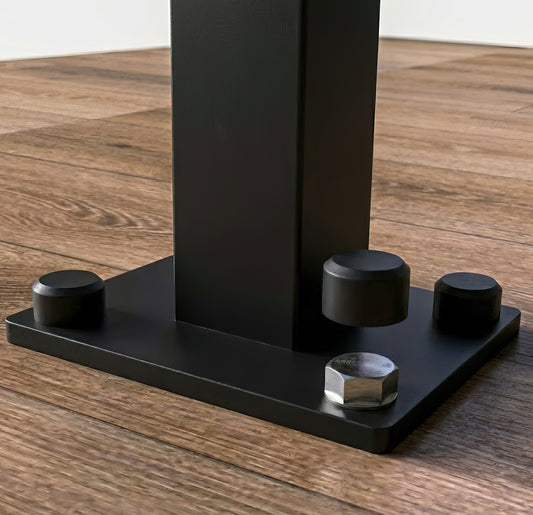
To achieve a true "Infinity Lawn" effect, we recommend a dark powder coat finish (such as Black or Bronze) for your Keuka Cable posts and top rails. Dark colors absorb light and recede visually, blending seamlessly with tree trunks, garden shadows, and the evening twilight.
By using a dark frame with invisible cabling, you alter the depth perception of the home. Standing at your kitchen island, the backyard doesn't feel like it starts at the bottom of the stairs—it feels like it starts right at your feet.

Design Your Flow
Your railing shouldn’t be an obstruction; it should be an invitation. Whether you are enclosing a porch for three-season use or building a sprawling deck, the goal is connection.
By prioritizing indoor outdoor flow with a railing system designed for transparency, you turn your backyard into the largest room in your house.