Maximizing Natural Light: How Cable Railing Brightens Dark Interiors
When we think of cable railing, we often picture a sprawling deck with a sunset view. But the transparency feature that makes cable railing perfect for the outdoors is exactly what makes it perfect for interior design.
For many homeowners, the battle isn't about framing a view; it’s about fighting the dark. Whether it’s a dimly lit hallway, a closed-off basement stairwell, or a split-level entry that feels like a tunnel, traditional solid railings block a massive amount of valuable light.
Here is how upgrading to cable railing can brighten your home by maximizing the flow of natural light.

The Concept of "Borrowed Light"
Architects use a term called "borrowed light." This refers to the strategy of taking sunlight from a bright room (like a living room with large windows) and allowing it to filter into a darker adjacent space (like a hallway or stairwell).
Traditional homes often use "knee walls" (solid half-walls) or thick wood spindles to line staircases. These structures act as light dams, trapping sunlight in one room and leaving the stairs in shadow.
By tearing down a knee wall and replacing it with a Keuka Cable railing system, you remove that dam. Suddenly, the sunlight from your front windows can travel freely through the slender cables, illuminating the stairs and the hallway beyond without the need for extra lamps.

The Split-Level Solution
Split-level homes (popular in the 1960s and 70s) are notorious for having dark, cramped entryways. You walk in the front door and are immediately faced with a wall of stairs going up and down, often boxed in by solid barriers.
The Fix: Replacing these solid barriers with cable railing is the single most effective renovation for a split-level foyer.
- Visual Expansion: It allows you to see through to the upper living area immediately upon entering, making the small foyer feel twice as big.
- Light Flow: It allows light from the upper-level windows to cascade down into the lower entryway, eliminating that "dungeon" feel common in lower-level landings.
Brightening the Basement
Basement stairwells are often the darkest parts of a home. They are typically enclosed on both sides, with a solid door at the top.
If your basement layout allows, opening up one side of the staircase and installing cable railing can be transformative. Instead of descending into a dark tunnel, the staircase becomes part of the room. The open cables allow ambient light from the basement windows (or artificial recessed lighting) to disperse more effectively, reducing shadows and increasing safety.

Choosing the Right System for Light
If your primary goal is maximizing light, consider these design choices for your Keuka Cable system:
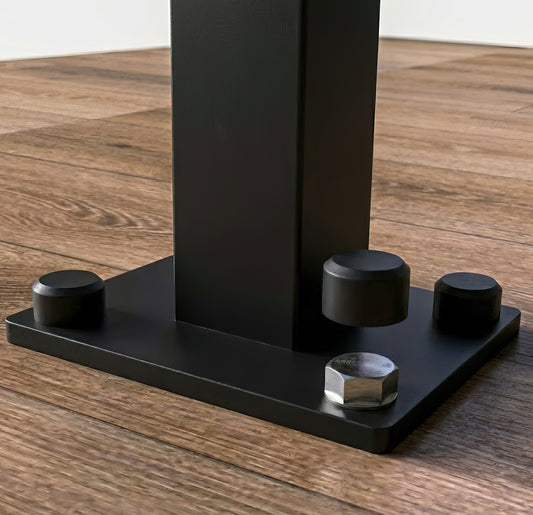
- Go Thin: Choose a post design with a slender profile to minimize visual obstruction.
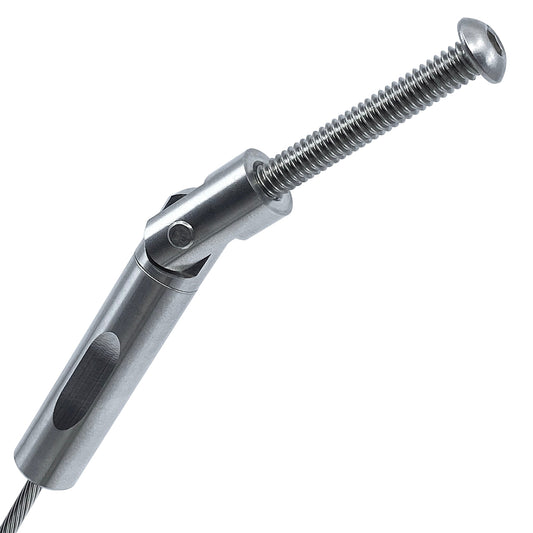
- Reflective Finishes: Opt for a stainless steel or polished finish on your posts. These surfaces catch and reflect sunlight, adding a subtle sparkle that further brightens the area.
- Lighter Top Rails: While a dark wood top rail adds contrast, a lighter wood (like maple or white oak) or a metallic top rail will keep the visual weight of the railing light and airy.
Conclusion
You don't need to knock down structural walls to make your home feel open and airy. Sometimes, you just need to let the light travel. By swapping heavy, light-blocking barriers for the sleek minimalism of cable railing, you can turn a dark stairwell into a bright architectural feature.