Mid-Century Modern Revivals: Why Cable Railing is the Perfect Update
Introduction: The Renovation Dilemma
If you own a Mid-Century Modern (MCM) home—whether it’s a genuine Eichler, a sprawling ranch, or a custom 1960s gem—you know the "purist" dilemma. You want to update the safety and durability of your home, but you are terrified of destroying its soul.
The original architects of this era (Neutra, Wexler, Drake) were obsessed with horizontal lines and transparency. Yet, ironically, many of these homes were originally built with chunky wooden slats or unsafe low railings that no longer meet today's building codes.
When it’s time to replace a rotting deck or unsafe balcony, homeowners often ask: How do I bring this up to code without making it look like a generic 2020s farmhouse?
The answer lies in stainless steel cable railing. It is not just a modern convenience; it is the spiritual successor to the original MCM design philosophy.
1. Honoring the "Horizontal Line"
The single most defining feature of Mid-Century architecture is horizontality. Low-slung roofs, wide eaves, and ranch-style layouts were designed to hug the earth.
- The Problem: Standard "big box" store railings use vertical balusters (pickets). Installing vertical pickets on an MCM home is visually jarring—it creates a "jail bar" effect that fights against the horizontal flow of the house.
- The Solution: Cable railing is inherently horizontal. It mimics the horizontal wood slats often used in the 1950s but removes the visual weight. It reinforces the architectural lines of the home rather than disrupting them.

2. The "Indoor-Outdoor" Philosophy
MCM design was revolutionary for dissolving the barrier between the living room and the backyard. Floor-to-ceiling glass walls were meant to make nature feel like part of the decor.
- The Upgrade: Thick wooden railings block the view from seated positions (like a low-slung Eames lounge chair).
- The Cable Advantage: Cable railing is virtually invisible from just a few feet away. It restores the architect’s original intent: total transparency. It allows the eye to travel from your living room, through the glass, across the deck, and into the trees without interruption.

3. "Truth to Materials" (A Core MCM Tenet)
Mid-century modernism was built on the concept of "honesty in materials." Architects left steel beams exposed, celebrated concrete, and didn't paint over high-quality wood.
Stainless steel cable fits perfectly into this palette. It is an "honest" industrial material.
-
Design Tip: Pair stainless steel cable with a natural wood top rail (like Teak, Ipe, or Mahogany) that matches your home’s original siding or eaves. This blends the warmth of the vintage wood with the cool, functional industrialism of the steel—a classic MCM juxtaposition.

4. Essential Design Choices for the MCM Look
Not all cable railing looks "retro." To ensure your renovation feels like a high-end restoration rather than a generic update, follow these design rules:
- Go Black or Silver or Bronze: Use Matte Black posts to mimic the exposed steel structural beams found in many Eichler or Streng homes. Alternatively, Stainless Steel complements the chrome fixtures often found in 1950s interiors, while Bronze introduces a warm, architectural metal that pairs beautifully with the natural wood tones common in mid-century interiors.
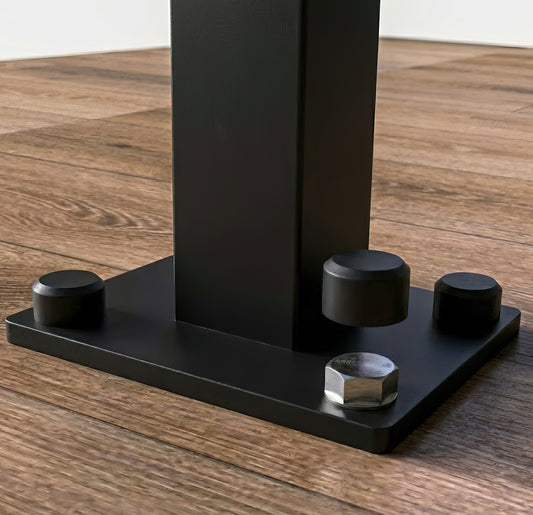
- Fascia Mounting is Mandatory: MCM homes often feature cantilevered decks that appear to "float." Do not clutter the deck surface with base plates. Use Fascia Mounted posts (attached to the side of the deck) to keep the floor plane completely clean and unbroken.
- Thin profiles: Avoid bulky 4x4 wood posts. Keuka Cable’s slender steel posts respect the "lightness" of mid-century architecture.
Conclusion: A Respectful Evolution
Updating a historic home doesn't mean living in a museum. It means making choices that the original architect would have made if they had access to today's technology.
Mid-Century Modern architects dreamed of floating structures and invisible barriers. Today, cable railing makes that dream a reality. It offers the safety of modern code compliance while letting the timeless architecture of your home speak for itself.
Planning an MCM Restoration? View Keuka Cable’s gallery of mid-century renovations to see how architects are using the "Ithaca" and "Keuka" styles to keep the retro vibe alive.