The "Anti-Dungeon" Effect: Transforming Dark Basements & Split-Level Entries
If you own a split-level home or a house with a finished basement, you likely know the "dungeon effect" all too well. It’s that abrupt transition from a bright, airy main floor to a dim, enclosed stairwell that feels more like a tunnel than a hallway.
For decades, the standard design solution for these tricky transitions was the pony wall—a half-height drywall partition capped with wood. While functional, pony walls are notorious for blocking light and chopping up sightlines, making compact landings feel even smaller.
Modern renovation trends are flipping the script on these subterranean spaces. By swapping solid barriers for transparent cable railing systems, homeowners are flooding their lower levels with borrowed light and creating a powerful visual illusion of space. Here is how you can modernize your split-level entry or basement stairs without moving a single wall.

Modernizing the "Brady Bunch" Era
The split-level home had its heyday in the 1970s—the era of the "Brady Bunch," shag carpet, and heavy visual barriers. A hallmark of this architecture was the split-entry foyer: a small landing where you immediately choose to go up or down.
In the original 70s design, these landings were often boxed in by:
- Chunky Oak Railings: Thick, heavy spindles that visually cluttered the small space.
- Pony Walls (Knee Walls): Solid half-walls that acted as visual "stops," effectively shrinking the room to the size of the floor footprint.
- Wrought Iron Scrollwork: Decorative but dated metalwork that collected dust and dated the home.
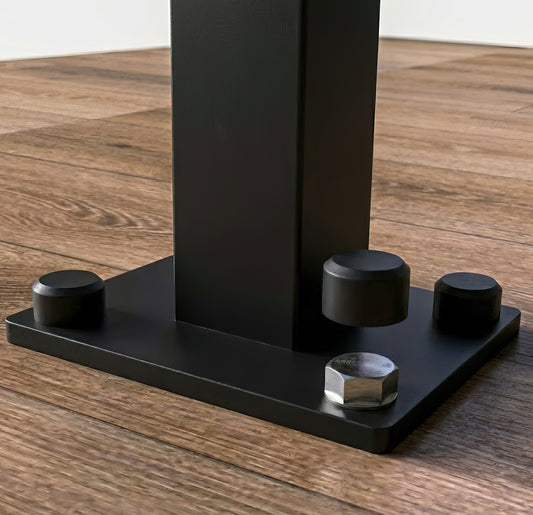
Modernizing a split-level isn't just about changing paint colors; it’s about removing visual weight. tearing out a 1970s pony wall and replacing it with a sleek Keuka Cable railing system instantly updates the home’s architecture. The slim profile of the cables and posts pays homage to the Mid-Century Modern roots of many split-levels while bringing them firmly into the 21st century.
The "Bigger Room" Illusion: Design Psychology 101
Why does a room feel bigger when you replace a 4-inch wall with 1/8-inch cables? It comes down to interior design psychology and visual markers.
When your eye scans a room, it subconsciously stops at solid barriers. A pony wall tells your brain, "The room ends here." Even if the ceiling continues, the floor space feels truncated.
Cable railing creates the "Bigger Room" Illusion through transparency.
- Sightlines: Because you can see through the railing to the wall or window behind it, your brain registers the room's boundary as being further away.
- Visible Floor Space: Being able to see the flooring continue through the railing (or seeing the stairs beyond) tricks the brain into perceiving a larger continuous surface area.
Designers estimate that opening up a visual block on a small split-level landing can make the space feel 30% larger. You aren't adding a single square foot of actual space, but you are reclaiming the visual volume that the pony wall was stealing.

Light Penetration: Borrowing from Above
Basement stairwells are often the darkest part of a home because they rely entirely on artificial light. A solid wall at the top of the stairs acts as a dam, holding back the natural light from your main floor's windows and doors.
Installing a cable rail system acts like opening a sluice gate for sunlight.
- Borrowed Light: By removing the solid obstruction, sunlight from your front door sidelights or living room windows can angle down into the stairwell.
- Airflow: Open railings also improve air circulation, helping to prevent stagnant air often found in enclosed spaces
For a split-level entry, this is critical. The "foyer" is often just a small platform. Using cable railing allows the light from the upper level to wash down to the lower entry, making the "basement" arrival feel just as welcoming as the main floor.

Why Keuka Cable?
When retrofitting an existing home, installation plays a huge role. Many homeowners hesitate to upgrade their railings because they fear complex installations involving crimping tools or industrial machinery.
Keuka Cable systems are engineered to solve this specific pain point:
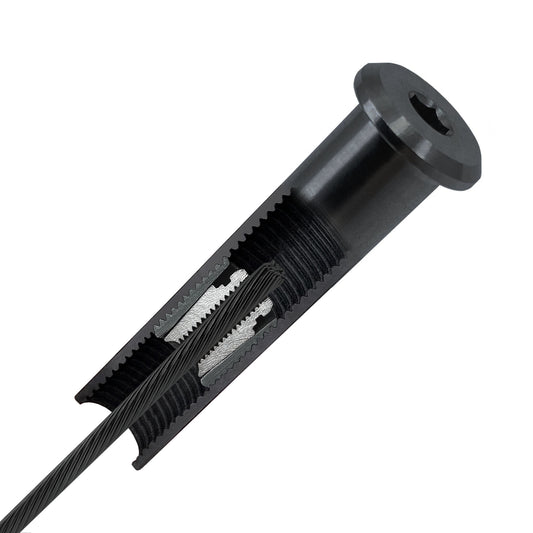
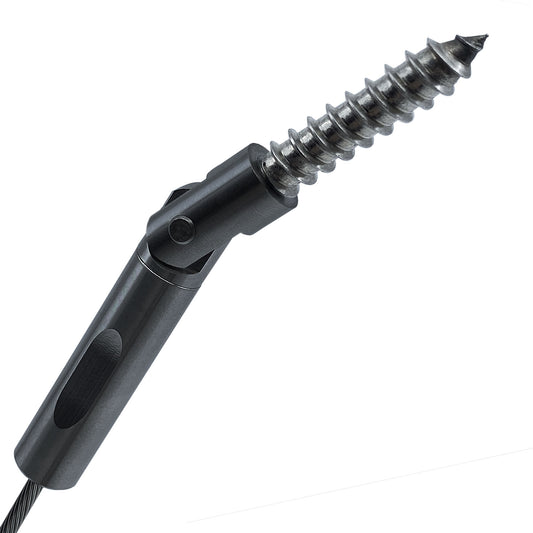
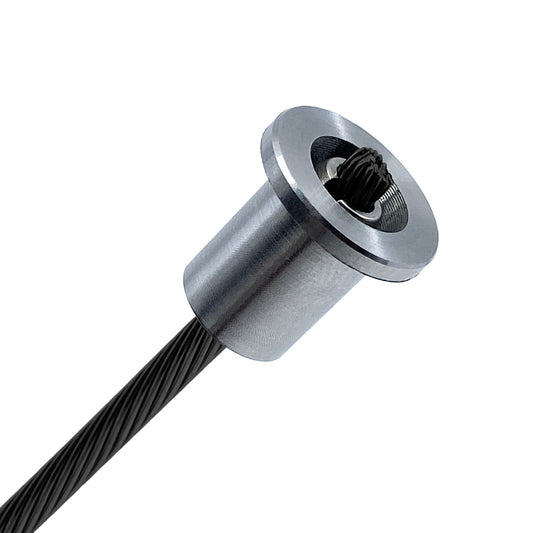
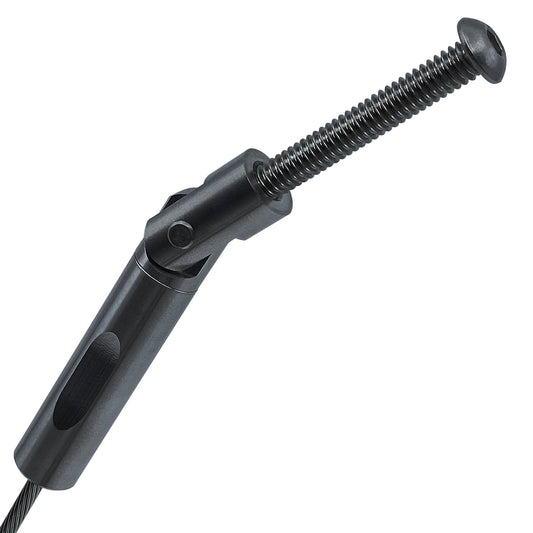
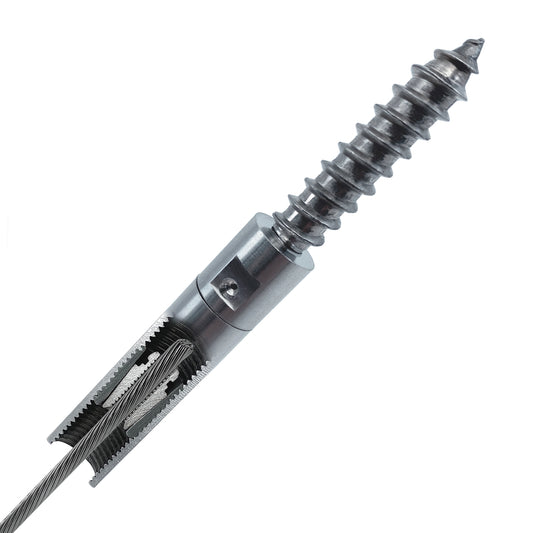
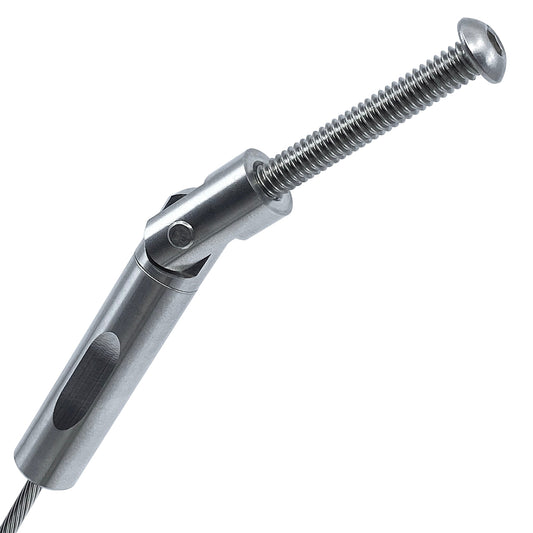
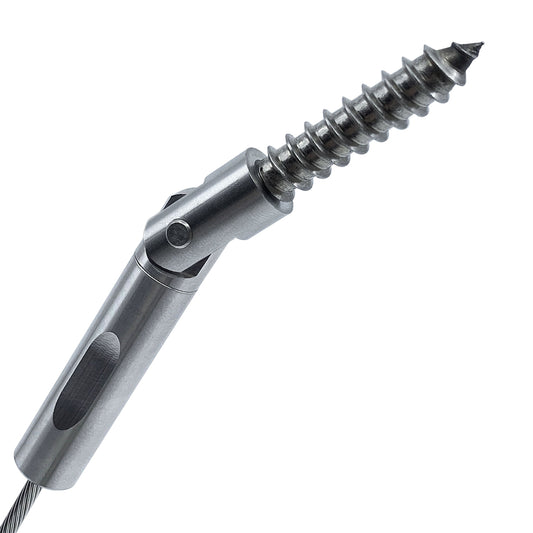
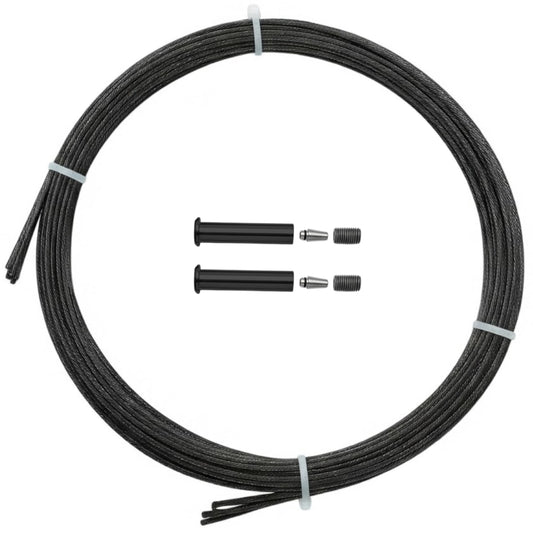
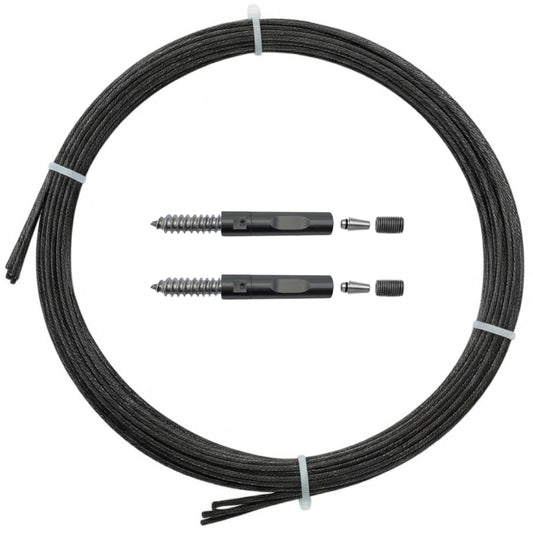
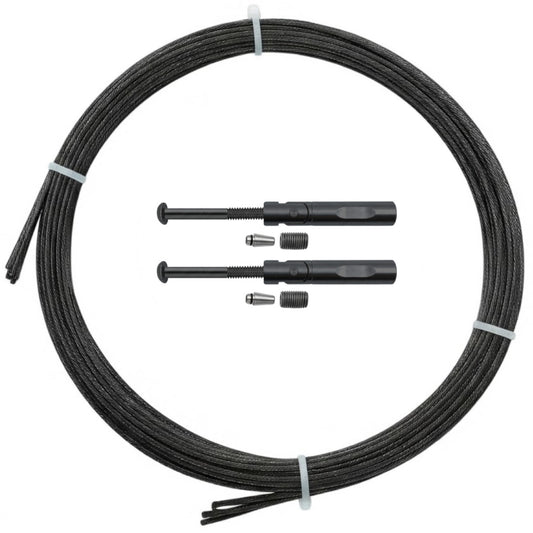
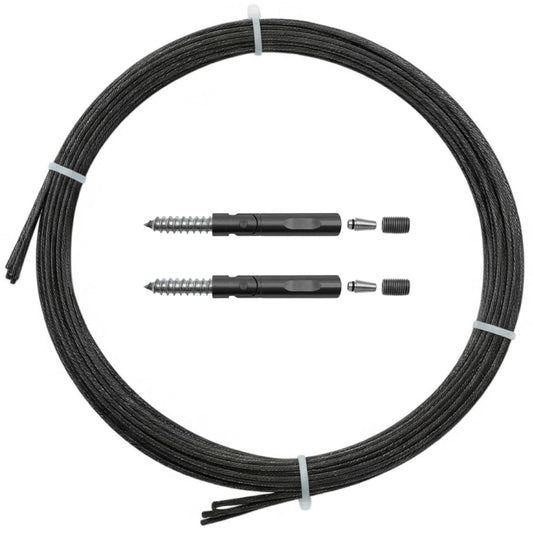
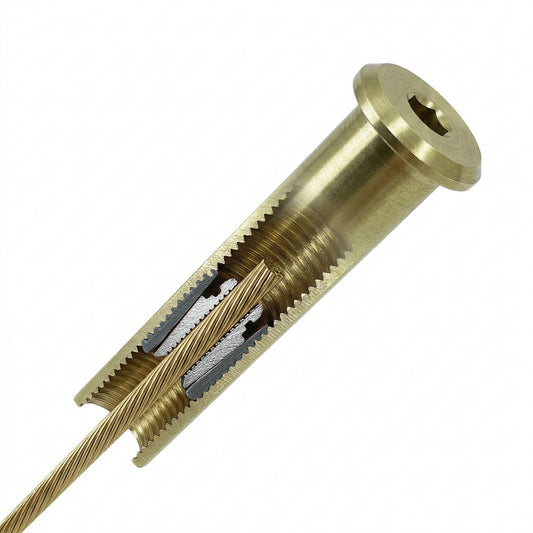
- Swageless Fittings: Our fittings are designed to be installed by hand. You don't need heavy hydraulic crimpers; the tensioning mechanism is built right into the sleek hardware.
- Custom Look, DIY Friendly: You get the architectural, high-end look of a custom-fabricated system with the ease of a product designed for renovation.
- American-Made Quality: Unlike generic kits that might wobble or sag, Keuka Cable hardware is precision-machined in the USA, ensuring your safety barrier is as strong as it is beautiful.
Ready to Open Up Your Space?
Don't let a 1970s pony wall keep your home in the dark. Explore our cable railing systems to see how you can reclaim your light and square footage today.