The Floating Deck Effect: Design Tricks for Suspended Aesthetics
Modern architecture often strives for a sense of weightlessness. We see this in cantilevered homes that extend over hillsides and staircases that appear to hover without support. You can bring this same architectural desire for lightness to your outdoor living space through smart design choices. A floating deck design does more than just look modern; it creates an immersive experience where the structure seems to fade away, leaving you suspended within your view.
Achieving this weightless look requires specific attention to structural details. By focusing on how your railing posts connect to the frame and how you finish the perimeter, you can create a cantilevered deck idea that feels effortless. Here is how to use fascia mounting, rim joist finishing, and lighting to master the floating deck aesthetic.

Fascia Mounting for a Clean Floor
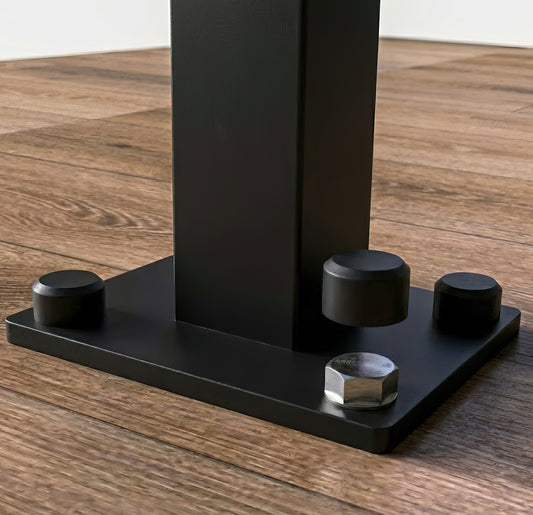
The most effective way to enhance the feeling of open space is to remove visual clutter from the deck surface. Traditional deck railing systems often use base plates that bolt directly to the top of the floor boards. This hardware occupies valuable square footage and interrupts the clean lines of your decking.
Fascia mounted posts solve this problem by moving the structural connection to the side of the deck frame. This installation method, often called side mounting, secures the posts to the outer rim joist rather than the top surface. The result is a pristine floor that extends all the way to the edge without any visible bolts or plates.
This technique creates an optical illusion that the railing is hovering just off the edge of the structure. It maximizes usable space and makes the deck feel larger. When you look out from the interior of your home, the lack of floor hardware allows your eye to travel smoothly across the deck surface and out to the horizon, reinforcing the floating sensation.

Rim Joist Aesthetics and Edge Detailing
When you move your posts to the side, the edge of your deck becomes a primary focal point. The rim joist is the structural board that forms the perimeter of your deck frame. Leaving this structural lumber exposed can look unfinished and ruin the sleek aesthetic you are trying to achieve.
To make the cable system look like a seamless extension of the structure, you must treat the rim joist as a design element. The best approach is to cover the structural rim joist with a high quality fascia board that matches or contrasts with your decking material. This creates a thick and substantial perimeter band that hides the rough framing lumber and joist hangers.
A wide fascia board serves as a clean backdrop for your fascia mounted posts. It integrates the railing system visually, making it appear as though the posts grow naturally out of the deck frame. For a truly modern look, consider using a composite fascia that is slightly wider than the rim joist to create a crisp shadow line. This attention to edge detailing turns a standard platform into a piece of architectural furniture.

The Nighttime Vibe and Hovering Light
The floating effect becomes even more dramatic after the sun goes down. One of the greatest advantages of a stainless steel cable railing system is its ability to disappear in low light. While wood pickets or glass panels can catch glare and block the view, thin cables tend to fade into the background at night.
You can enhance this invisibility with strategic lighting choices. By installing small LED lights under the top rail or using illuminated post caps, you direct the eye to the rigid elements of the structure while the infill remains unseen. The cables vanish completely in the dark, leaving only the illuminated posts and top rail visible.
This creates a stunning visual trick where the handrail appears to hover in midair. To further the floating deck design, consider adding LED tape lighting underneath the rim joist or fascia. This downward glow washes the ground below with soft light, visually lifting the entire deck structure off the ground. The combination of invisible cables and under deck lighting produces a magical, weightless atmosphere perfect for evening entertaining.

Achieving the Look
Designing a deck that feels like it is floating requires planning. It is not just about the lack of visible supports below; it is about keeping the visible supports above as minimal as possible. By choosing fascia mounted posts, you keep the floor open and clean. By finishing your rim joist with care, you turn a structural necessity into a design feature. And by leveraging the transparency of cable railing at night, you ensure your outdoor space feels just as open in the evening as it does during the day.
This approach transforms a simple platform into a sophisticated architectural statement. It allows you to enjoy the outdoors with nothing in your way, suspended comfortably in your own private view.