The Science of Tension: Why Cheap Cable Railing Sags
If you are researching cable railing, you have likely encountered the horror stories. You see photos of drooping cables, wavy lines that ruin the view, and forum posts complaining about constant tightening. For the discerning buyer, this creates a specific fear regarding the longevity of the investment. You might worry if your project will look like a cheap DIY job in two years.
This fear is known as the Sag Myth. It suggests that cable railing is high maintenance and inevitably loosens over time.
The reality is different. Stainless steel cable does not magically stretch forever. When a system sags, it is rarely the fault of the cable itself, but a failure of physics and engineering. Sag is the hallmark of generic hardware kits that ignore the forces at play.
Here is the technical deep dive into why cheap systems fail and how proper engineering like Keuka Cable renders the Sag Myth irrelevant.

Myth 1: The "Creep" Factor vs. Constructional Stretch
A common misconception is that stainless steel experiences "creep." This implies the metal slowly and permanently elongates like a rubber band or synthetic rope.
The Physics:
At the tension loads used in residential railing (usually 200 to 300 lbs per cable), stainless steel does not experience creep. It is mechanically impossible under normal conditions.
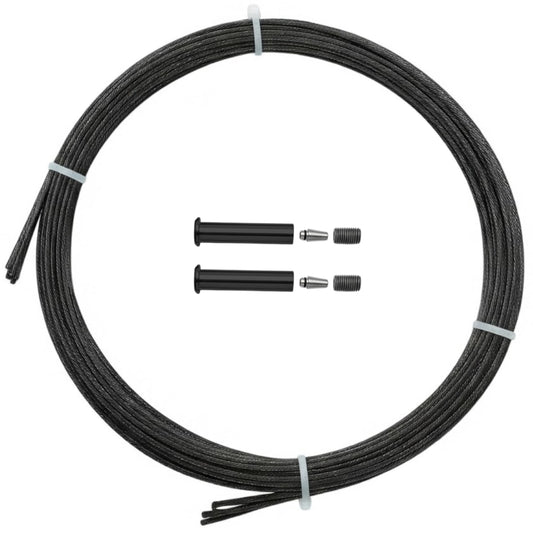
What you are seeing in cheap systems is Constructional Stretch. Cable is made of individual wire strands twisted together. When you first apply tension, those strands settle and nest tighter together. This creates a tiny amount of elongation within the first few months.
The Solution:
Generic kits often use swaged or crimped fittings. Once they are crimped, they are permanent. When constructional stretch inevitably happens, you often run out of thread on the turnbuckle to tighten it, or the mechanism seizes up.
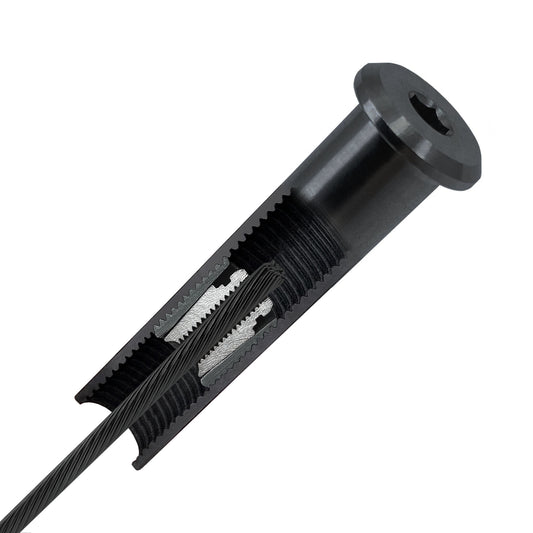
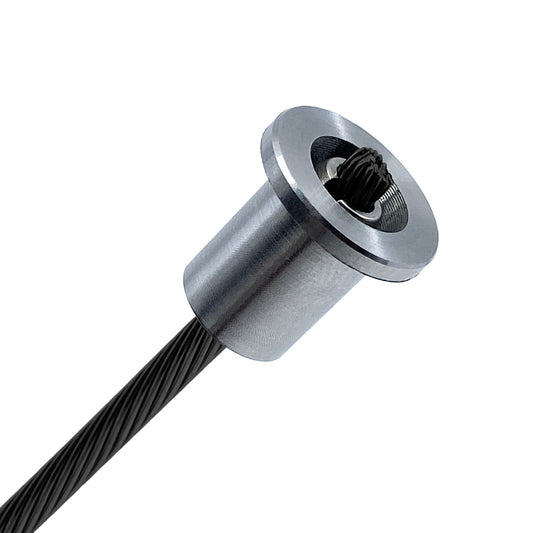
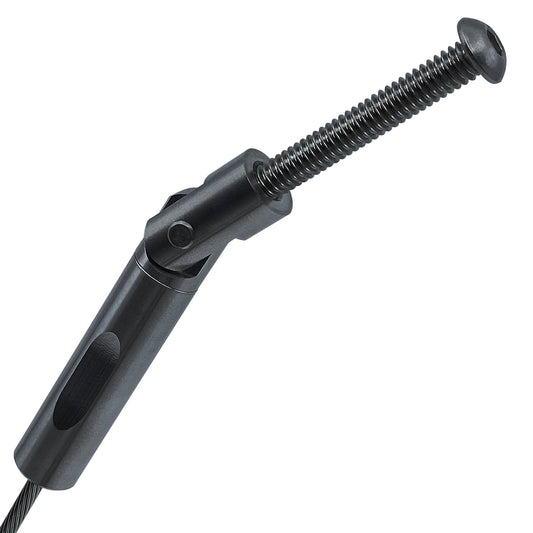
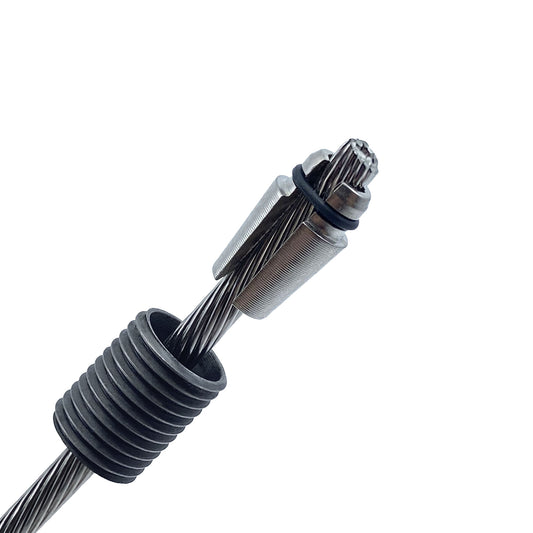
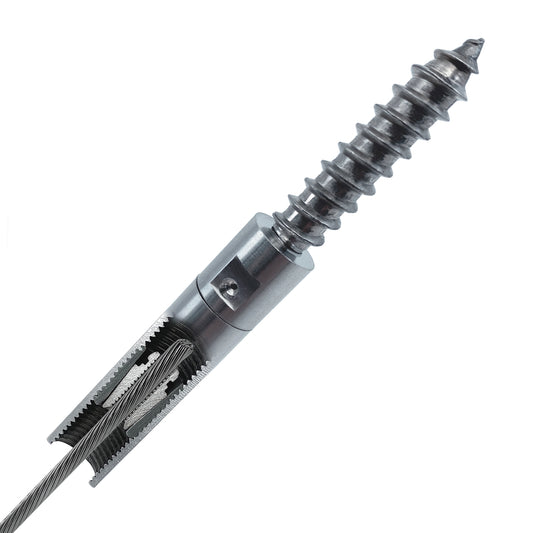
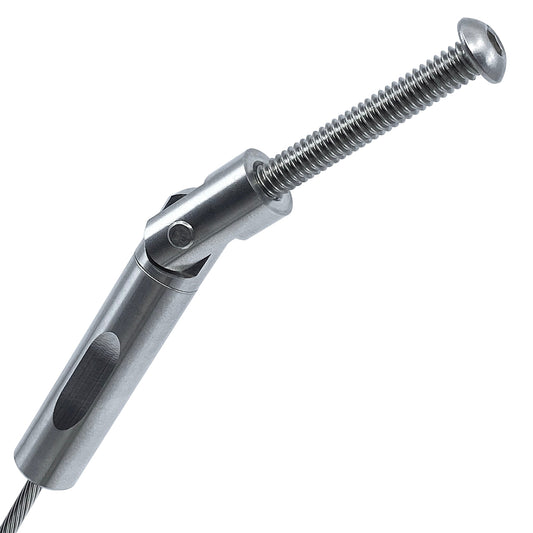
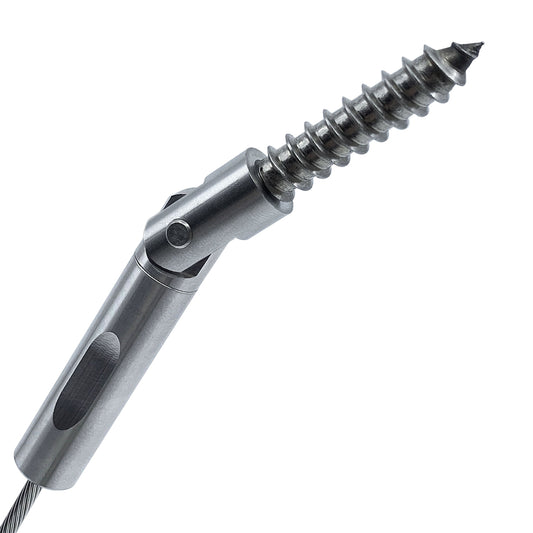
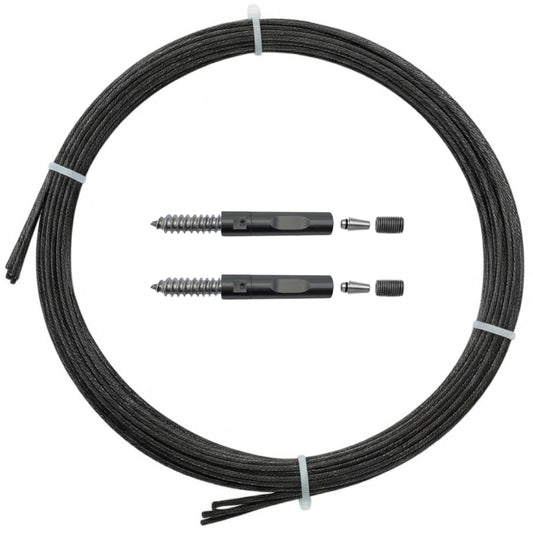
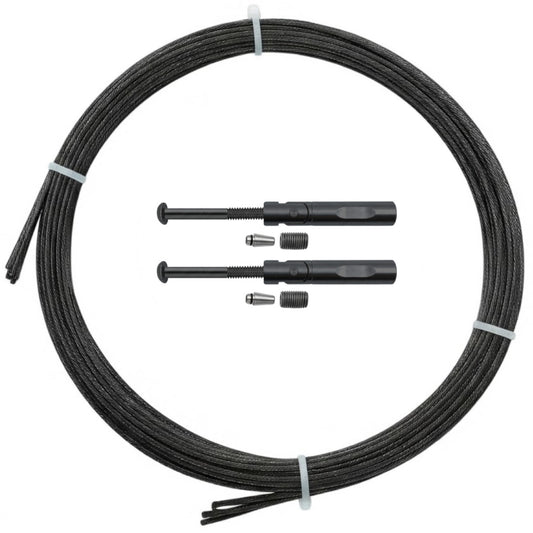
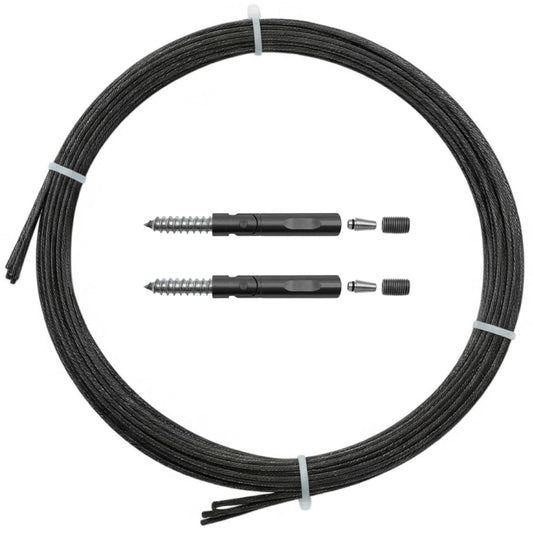
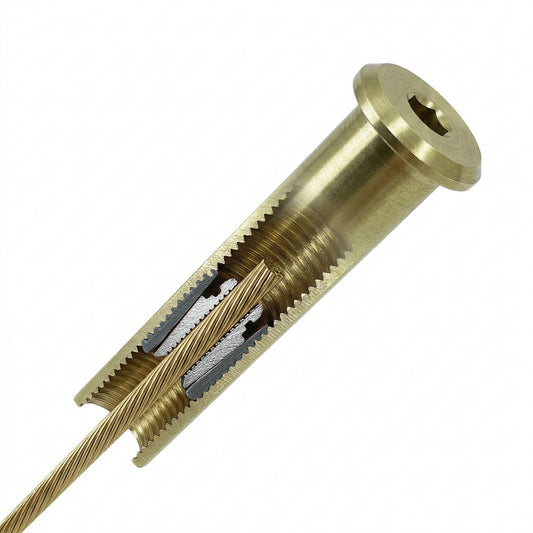
The Keuka difference lies in our use of swageless fittings. These rely on a mechanical locking technology rather than a permanent crimp. If your cable settles after the first season, you do not need new parts. You simply take a wrench, give the fitting a quarter turn, and the tension is restored to factory-perfect rigidity. It turns a potential failure into a quick, one-time adjustment.

Myth 2: The Bow and Arrow Effect (Post Deflection)
The single biggest cause of cable sag is not the cable at all. It is the posts.
Imagine a bow and arrow. When you pull the string tight, the wood bow bends. In a cable railing system, you might have 10 to 12 cables where each is pulled to 225 lbs of tension. That creates thousands of pounds of force pulling your end posts inward.
The Physics:
Cheap aluminum or thin-walled steel posts cannot handle this load. Over time, they bow inward by a fraction of an inch. That microscopic movement creates visible slack in the center of the cable run. You might try tightening the cables to fix it, but that only pulls the post harder, causing it to bend further. It is a losing battle.
The Solution:
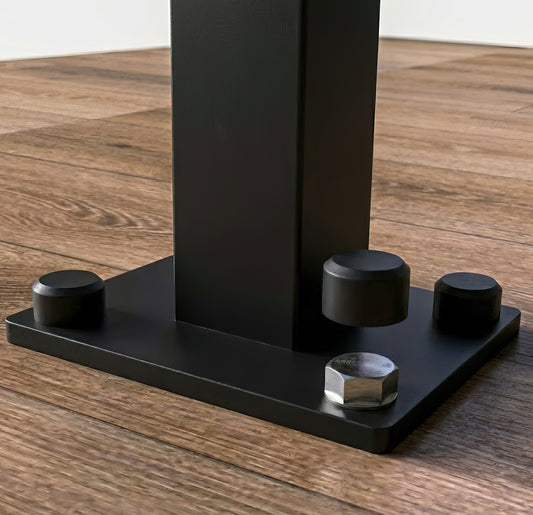
We utilize heavy-gauge engineered posts. Our systems are designed with wall thicknesses and structural rigidity specifically calculated to resist the cumulative tension load of the cables. By eliminating post deflection, we eliminate the primary cause of recurring sag.

The Thermal Expansion Factor
Another technical reality is thermal expansion. All metal expands when hot and contracts when cold.
- Summer: Cables expand and can slightly loosen.
- Winter: Cables contract and tighten.
If you install a generic kit on wood posts, the wood and steel react to temperature differently. This mismatch fights against your tension.
However, when you use a quality stainless steel frame and cable system, the components are thermally matched. The frame and the cables expand and contract at similar rates. This causes the system to breathe together rather than fight itself, maintaining consistent tension year-round compared to mixed-material systems.

The Fearbuster: Why "Big Box" Kits Fail
The reputation of high-maintenance cable railing comes from homeowners who bought bottom-dollar kits online or at big box stores. These kits often fail due to two specific component issues:
1. Inferior Hardware Design
Generic tensioners often use soft alloys with poor threading. When you attempt to tighten the system to the required 225+ lbs, the threads can strip or "gall" (seize up), making it impossible to achieve proper tension.
2. The Corrosion Factor (304 vs. 316)
While Grade 304 and 316 steel have similar strength, they differ vastly in longevity. Generic kits use Grade 304, which is prone to surface corrosion in outdoor environments. Once rust sets into the threads of a turnbuckle or the strands of a cable, friction increases, and adjustability is lost.

The Keuka Reality:
We use exclusively Marine Grade 316 Stainless Steel. It offers superior corrosion resistance, ensuring that your hardware remains clean, adjustable, and functional for the life of the deck.
For a Keuka Cable owner, maintenance is minimal because you are not fighting physics, but controlling it.
- Year 1: You may tighten the cables once after the initial constructional stretch settles in. This takes minutes.
- Year 2 and beyond: The system stabilizes. Because the posts have not moved and the hardware is locked, the cables stay taut.

Conclusion: You Get What You Tension
Sag is not a mystery. It is a math equation.
- Thin Posts + Permanent Hardware + Mismatched Materials = Sag
- Rigid Posts + Adjustable Hardware + 316 Marine Grade Steel = Lasting Tension
When you invest in Keuka Cable, you are not just buying steel wire. You are buying an engineered tension management system designed to defeat gravity and time.
Ready to install a system that stays tight? Explore our Swageless Fittings or Contact Us to engineer your view.