Vertical Balusters vs. Horizontal Cable: How Railing Affects Perceived Space
When designing a deck or balcony, most homeowners focus on square footage. However, the feeling of spaciousness is not just about physical dimensions; it is about visual perception. The orientation of your railing infill—whether it runs up and down or side to side—plays a massive role in how large or small your outdoor living area feels.
Architects and interior designers have long used "linear perspective" to manipulate how we perceive space. Here is how the choice between vertical balusters and horizontal cable railing changes the psychology of your view.
The Science of Lines in Design
Our eyes naturally follow lines. This is a fundamental principle of design psychology.
- Vertical lines draw the eye upward. In a room with low ceilings, vertical stripes on the wall can make the ceiling feel higher. However, when used as a barrier (like a fence or railing), vertical lines create a "stop" signal, defining a strict boundary.
- Horizontal lines draw the eye across. They suggest continuity, width, and flow. In architecture, horizontal elements are used to ground a building and make spaces feel wider and more expansive.
Vertical Balusters: The "Fence" Effect
Traditional wood or wrought iron railings use vertical balusters (pickets). While this style is classic, it can have a shrinking effect on your deck.
Because vertical balusters are spaced closely together to meet code, they create a high-frequency visual rhythm. As your eye scans the horizon, it is interrupted every four inches by a solid post. This creates a "staccato" effect that stops the eye from traveling freely beyond the edge of the deck.
Psychologically, this creates a sensation of containment. The vertical lines emphasize the barrier between "here" (the deck) and "there" (the yard or view). In smaller spaces, this can make the area feel cage-like or boxed in, as the railing acts as a distinct visual wall.

Horizontal Cable: The "Infinity" Effect
Horizontal cable railing utilizes the opposite principle to expand your space.
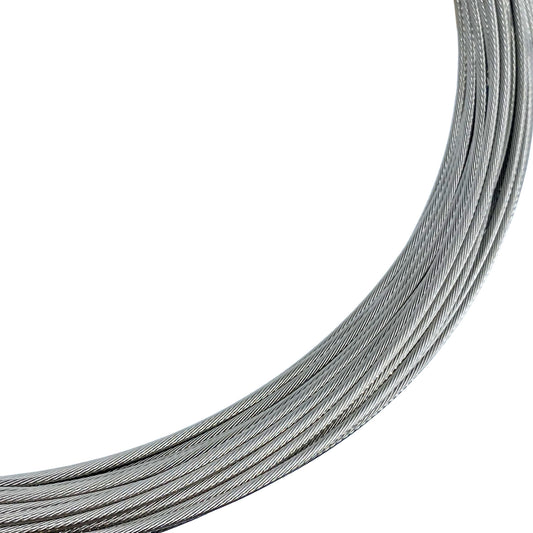
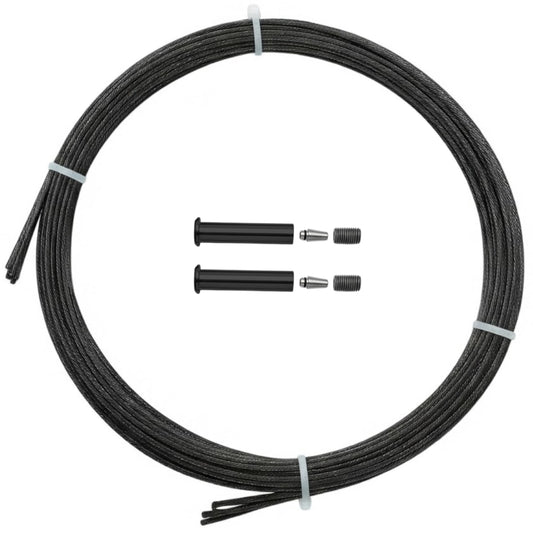
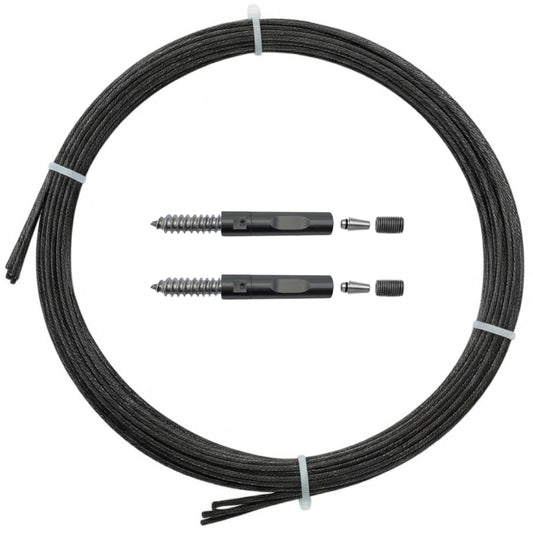
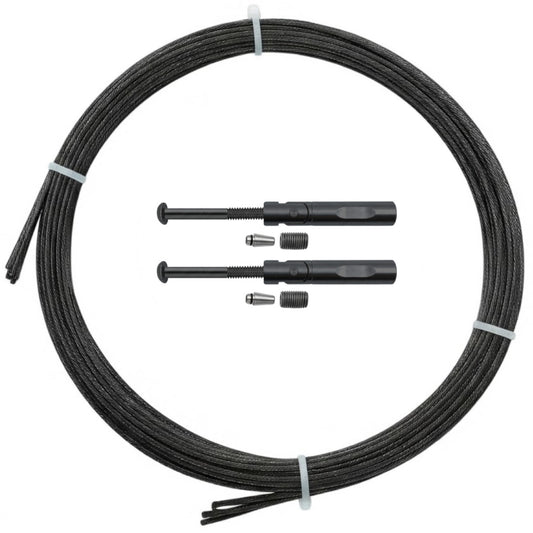
By running thin stainless steel cables parallel to the horizon and the deck floor, you create lines that guide the eye outward rather than stopping it. This design mimics the natural horizon line, blurring the boundary between your living space and the landscape beyond.
This phenomenon is known as "visual elongation." Just as wearing horizontal stripes can make a person appear wider, installing horizontal railing makes a deck appear longer and more open.
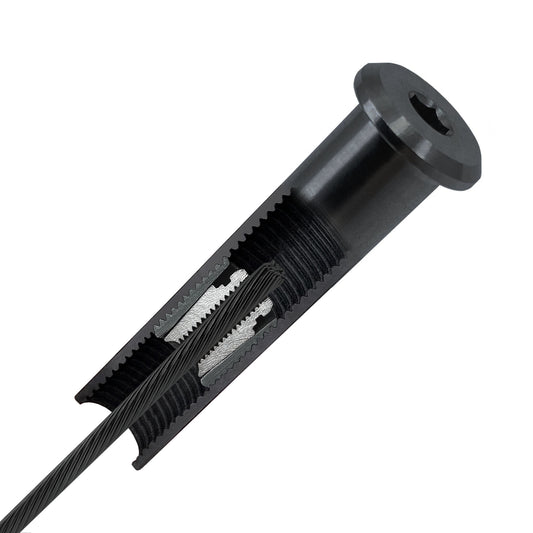
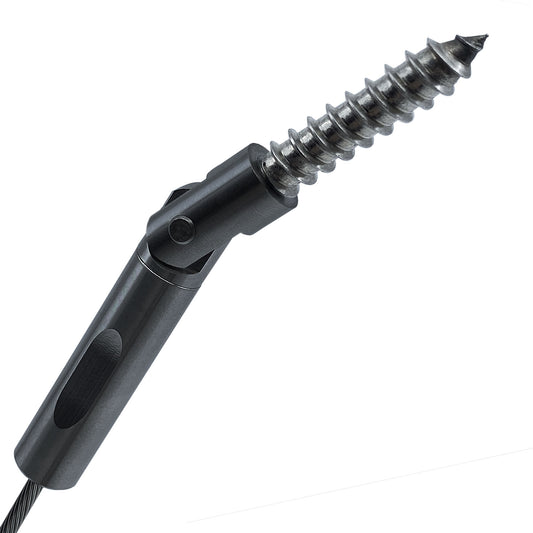
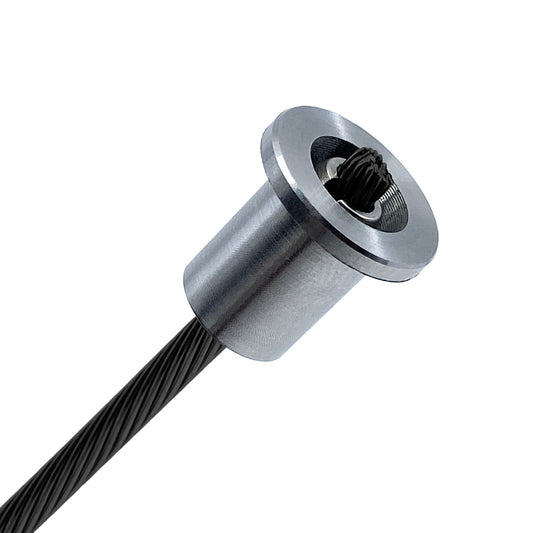
Furthermore, because Keuka Cable systems use slender cables that are much thinner than wood or iron pickets, the physical obstruction is minimal. The result is an optical illusion where the deck feels like it extends indefinitely into the view, making even a modest balcony feel like a grand overlook.

Which Is Right for Your Home?
If you are trying to maximize the feel of a compact deck, or if you want to emphasize a panoramic view, the science is clear: Go horizontal.
- Choose Vertical Balusters if: You want to emphasize the height of a structure or prefer a traditional, enclosed "room" feel for your outdoor space.
- Choose Horizontal Cable if: You want to make a narrow deck feel wider, connect your home to the landscape, and create a modern, airy aesthetic.
Create Space with Keuka Cable
Don’t let bulky pickets box you in. By choosing a horizontal cable railing system, you are not just updating your safety features; you are visually expanding your square footage.
Browse our cable railing systems at Keuka Cable to see how horizontal lines can transform your home.