Wood vs. Metal vs. Composite: How to Choose the Perfect Cable Railing Cap
When designing a cable railing system, most homeowners focus heavily on the posts and the cable itself. While these are the structural backbone of your view, there is a third element that serves as the tactile "handshake" of your deck: the top rail.
The top rail (or cap rail) is the one part of the railing you will touch the most. It frames your view and ties your railing system into the broader architecture of your home. Currently, one of the biggest trends in deck design is moving away from standard, off-the-shelf metal caps and toward mixed-material designs.
Whether you are looking for the warmth of exotic hardwood, the low-maintenance durability of composite, or the sleek minimalism of metal, here is how to navigate the top trends in railing caps.

The Rise of the "Cocktail Rail"
By far the most practical design trend of the last few years is the "drink rail" or "cocktail rail." This design utilizes a flat, wide board (usually a standard 5.5-inch deck board) mounted on top of the railing posts.
Why is it trending? It turns every inch of your railing into functional furniture. It provides a sturdy surface for a morning coffee, an evening glass of wine, or a place to lean while enjoying the view.
-
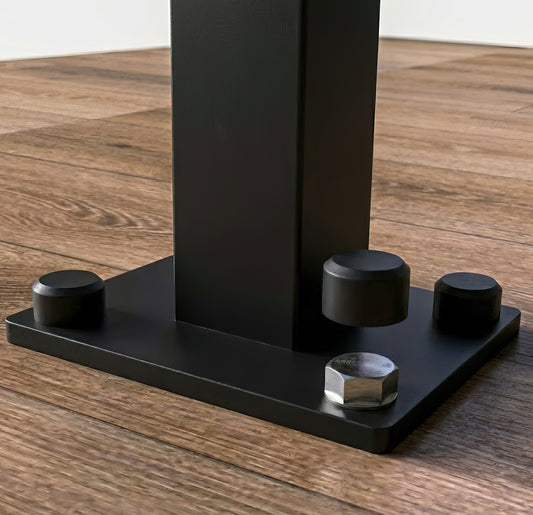
Design Tip: If you are using Keuka Cable’s surface-mounted or fascia-mounted posts, a flat top rail creates a clean, linear aesthetic that perfectly complements the horizontal lines of the cable infill.
Option 1: The Warmth of Wood (Ipe and Mahogany)
Pairing industrial stainless steel or powder-coated aluminum posts with a natural wood top rail creates a sophisticated "soft industrial" look. The wood softens the metal’s edge, adding warmth and texture where your hands meet the rail.
- The Top Choice: Ipe (Brazilian Walnut). Ipe is the gold standard for wood top rails. It is incredibly dense, naturally resistant to rot and insects, and arguably one of the most durable woods for outdoor use. Its deep, rich brown tones provide a stunning contrast against black or silver posts.
- The Considerations: While beautiful, wood is organic. Even Ipe will eventually weather to a silvery-gray if not oiled regularly. For many, this silver patina is a desirable, low-maintenance beach look. For others, maintaining that rich walnut color requires annual oiling.

Option 2: The Consistency of Composite (Trex, TimberTech, etc.)
If you are resurfacing a deck with high-end composite decking like Trex or TimberTech, using a matching composite board for your top rail is a seamless design choice.
- Why choose composite? The primary benefit is low maintenance. You will never have to sand, stain, or seal a composite top rail. It also allows for perfect color coordination. By using the same board for your railing cap as your deck floor, you create a cohesive visual "frame" around your outdoor living space.
- Structural Note: Because a composite lacks the rigidity of hardwood, it often requires a continuous support piece underneath (like a sub-rail) to prevent sagging between posts. Keuka Cable systems are adaptable and can be designed to support the specific requirements of composite caps.
Option 3: Sleek and Minimal Metal
For those who want the railing to disappear entirely, a slender metal top rail is the answer.
- The Aesthetic: A round or small rectangular metal top rail (in stainless steel or powder-coated aluminum) offers the least visual obstruction. It is the preferred choice for modern architecture and commercial spaces where the view is paramount.
- The Feel: Metal creates a cool, smooth, and ultra-modern finish. However, keep in mind that in direct, scorching sunlight, dark metal rails can become hot to the touch compared to wood or composite.

The Big Decision: Match or Contrast?
Once you choose your material, the final decision is color strategy.
1. The Match:
Matching your top rail to your deck boards is the safe, classic bet. It grounds the railing and makes it feel like an extension of the deck floor. This is often best for smaller decks where you want to minimize visual clutter.
2. The Contrast:
A contrasting top rail is bold and modern.
- Dark on Light: A dark Ipe or "Spiced Rum" composite rail creates a striking border on a lighter gray deck.
- Texture Mix: Even if the colors are similar, mixing materials (like a wood cap on a stone patio) adds depth.

Conclusion
Your top rail is a huge design opportunity. Don't let it be an afterthought. Whether you crave the functionality of a drink rail, the organic warmth of Ipe, or the seamless look of composite, Keuka Cable’s flexible post designs allow you to mount almost any material you choose.