Wrought Iron vs. Cable Railing: The Battle for Your View
When upgrading a deck, balcony, or staircase, the railing is often the final piece of the puzzle. It defines the aesthetic of your home exterior and impacts how much time you spend maintaining your outdoor space.
Two of the most popular contenders are traditional wrought iron and modern cable railing. While both offer durability, they differ drastically in maintenance requirements, rust resistance, and, perhaps most importantly, how they affect your view.
Here is a comprehensive comparison to help you decide which system is right for your home.

1. The Battle for Sightlines: Visibility vs. Obstruction
The primary reason homeowners switch to cable railing is the view preservation.
- Wrought Iron: Historically, iron railings rely on thick, vertical balusters or pickets spaced closely together to meet safety codes. While decorative, these bars create a cage like effect that breaks up the horizon line. If you have a lakefront property or a garden view, iron railing creates a visual barrier between you and the landscape.
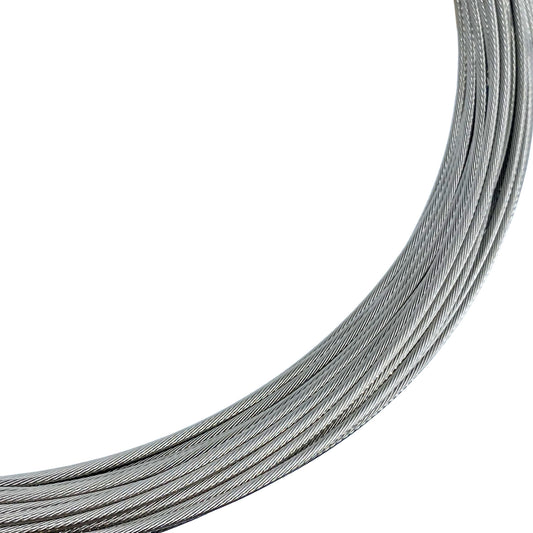
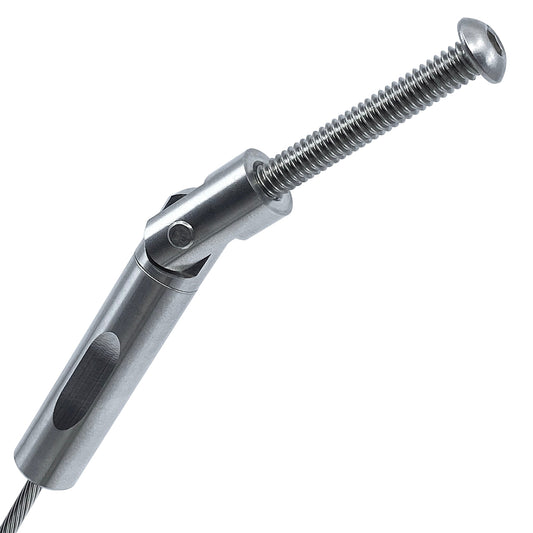
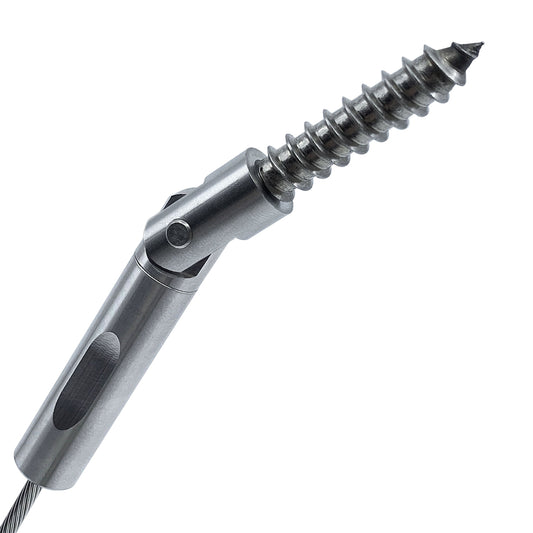
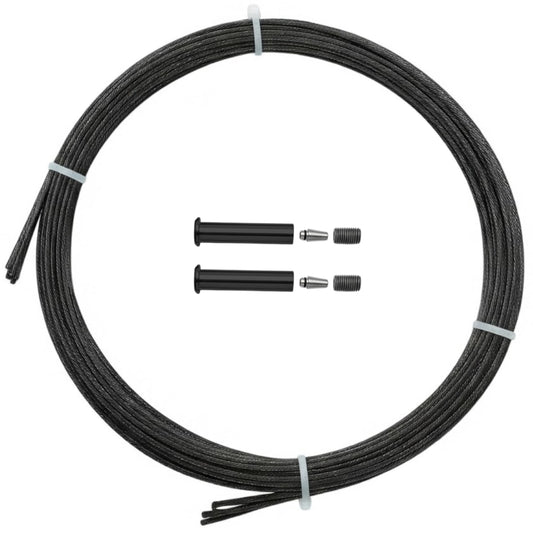
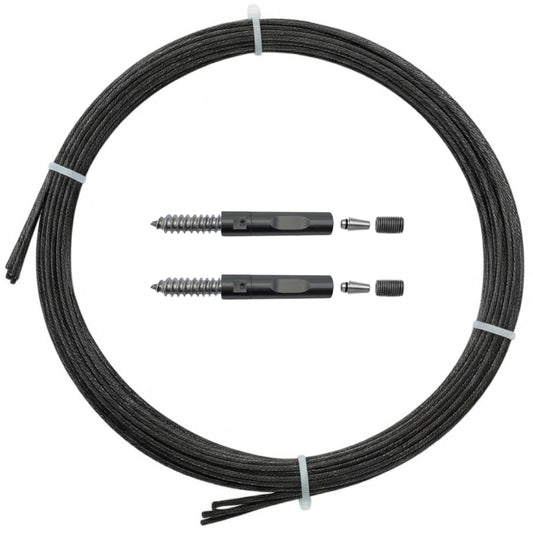
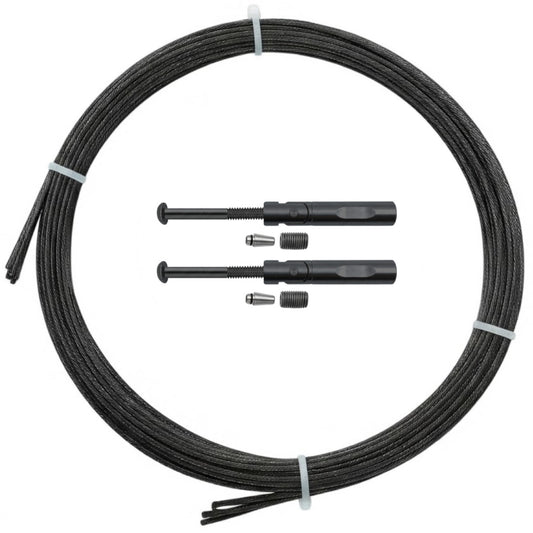
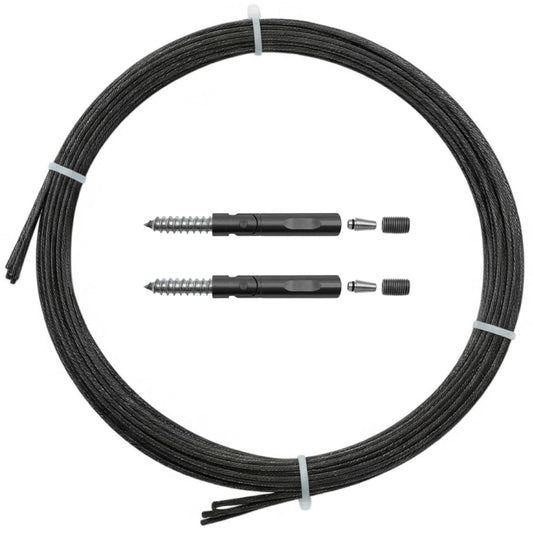
- Cable Railing: Cable systems use thin, high tension stainless steel cables that run horizontally. Because the cables are much thinner than traditional pickets, often just 1/8 inch, they virtually disappear from a distance. This invisible effect opens up your deck, making small spaces feel larger and ensuring your view of the lake or mountains remains unobstructed.
2. Fighting the Elements: Rust and Corrosion
Outdoor railings take a beating from rain, snow, and humidity. How materials handle moisture is a critical factor in their longevity.
- Wrought Iron: Iron is ferrous, meaning it contains iron oxides that naturally want to revert to rust when exposed to oxygen and moisture. Even with powder coating, microscopic scratches or chips can allow moisture to penetrate, leading to bubbling paint and rust streaks that can stain your deck surface.
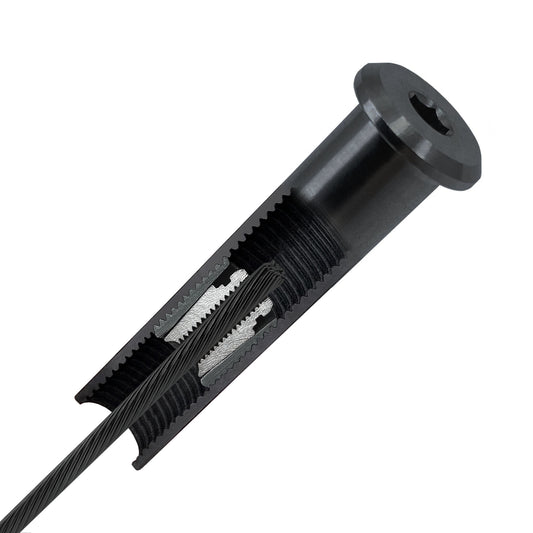
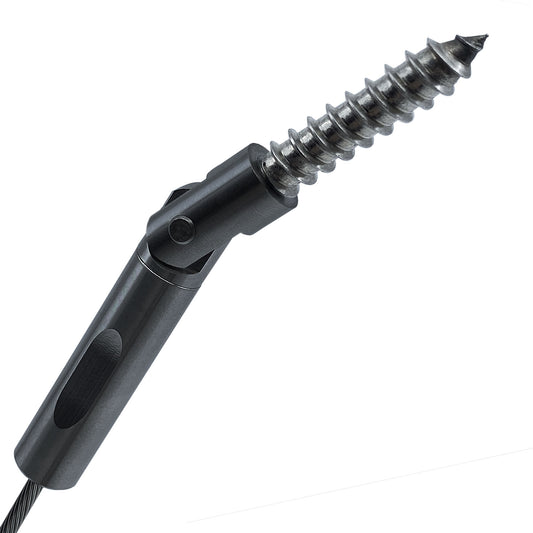
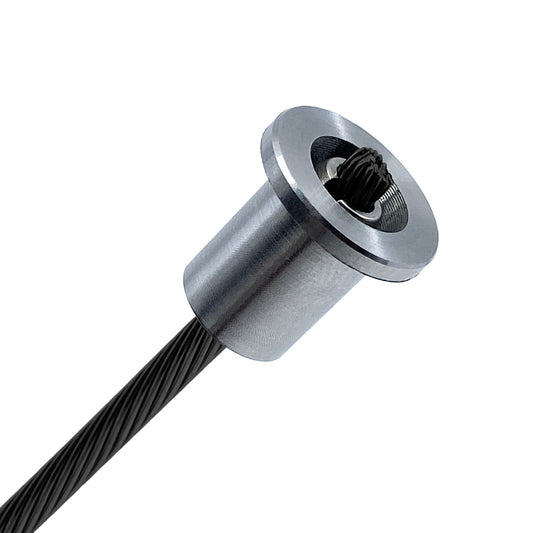
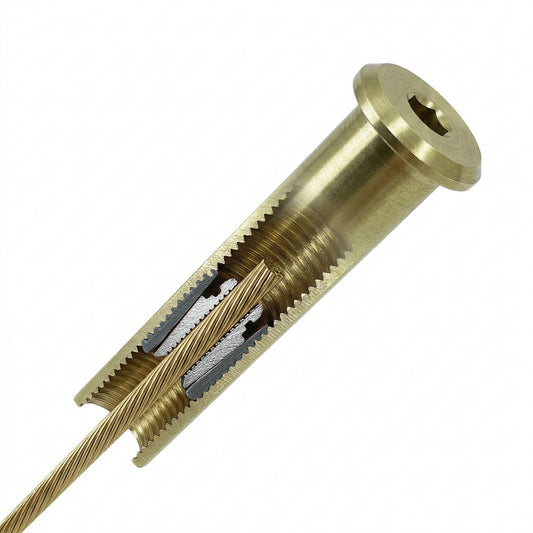
- Cable Railing: High-quality cable railing hardware, like the T316 marine grade stainless steel used at Keuka Cable, is non-ferrous and specifically engineered to resist corrosion.
3. The Maintenance Reality Check
Do you want to spend your weekends enjoying your deck or working on it?
- Wrought Iron Maintenance: To keep iron looking pristine, it requires vigilance. You must inspect it regularly for rust spots. When rust appears, the maintenance process is labor-intensive: wire brushing the corrosion, sanding the metal, priming, and repainting. This cycle often needs to be repeated every few years.
- Cable Railing Maintenance: Stainless steel cable systems are practically maintenance free. They do not require sanding, staining, or painting. Generally, a simple rinse with fresh water occasionally is all that is needed to keep the steel shining like new.

4. Aesthetic Versatility
- Wrought Iron: Best suited for highly traditional, Victorian, or Gothic revival homes. It offers a heavy, ornate look that can feel out of place on modern or transitional architecture.
- Cable Railing: Extremely versatile. While it is a staple of modern industrial design, it also pairs beautifully with wood posts for a rustic farmhouse look or composite sleeves for a sleek, transitional style.
Conclusion: Which is the Smart Investment?
While wrought iron has a classic history, it comes with a historic maintenance schedule. For homeowners who prioritize unobstructed views, durability, and low maintenance, stainless steel cable railing is the superior modern solution. It adds value to your home by merging indoor and outdoor living spaces seamlessly.
Ready to open up your view?
Explore our selection of premium cable railing hardware kits at Keuka Cable and start designing a deck you can enjoy without the maintenance.